
9200-01-50-09-04 Bently Nevada Seismoprobe Velocity Transducer In Stock
Introduction:
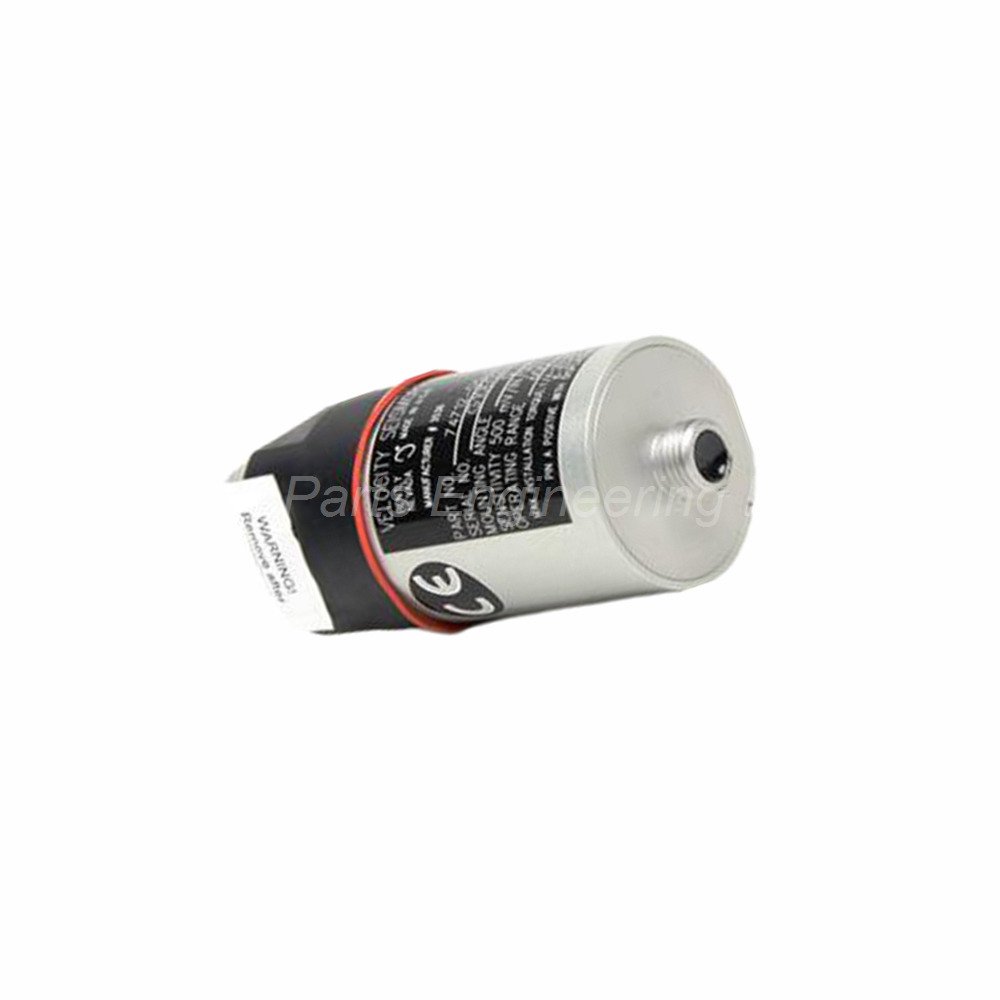
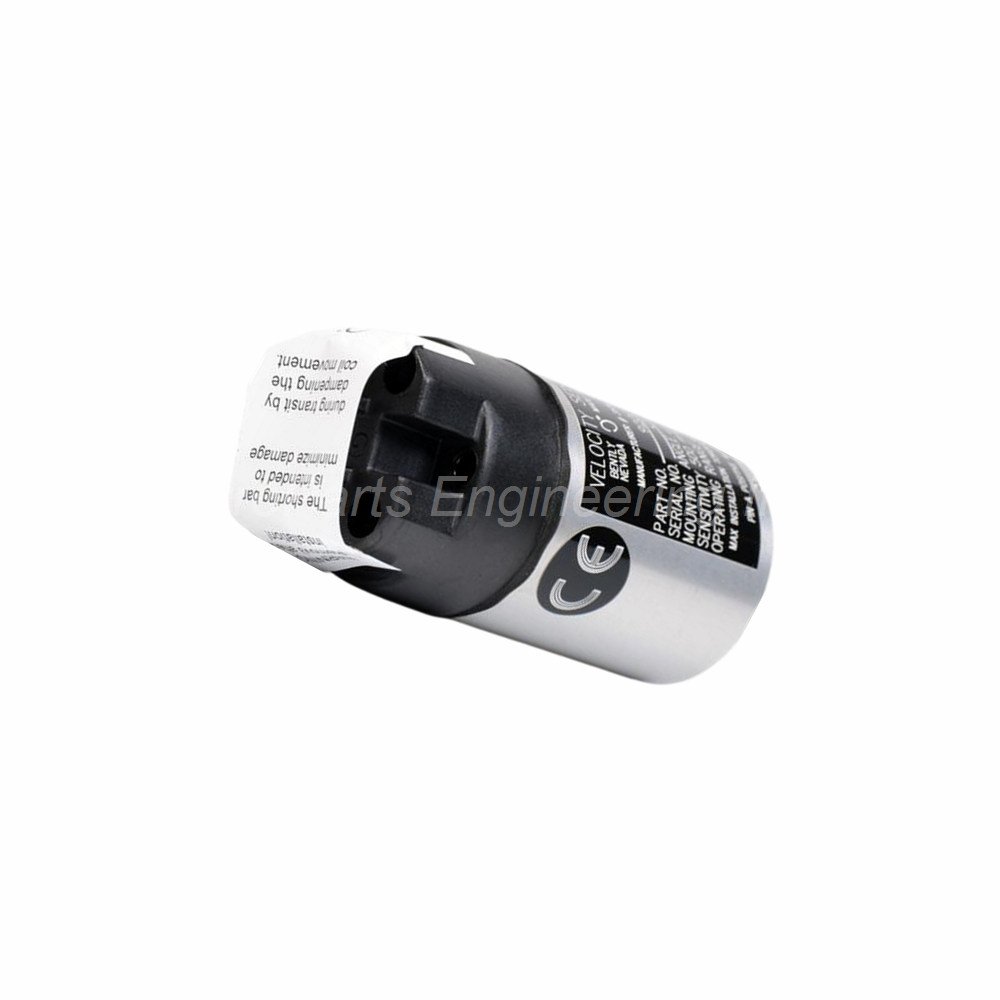
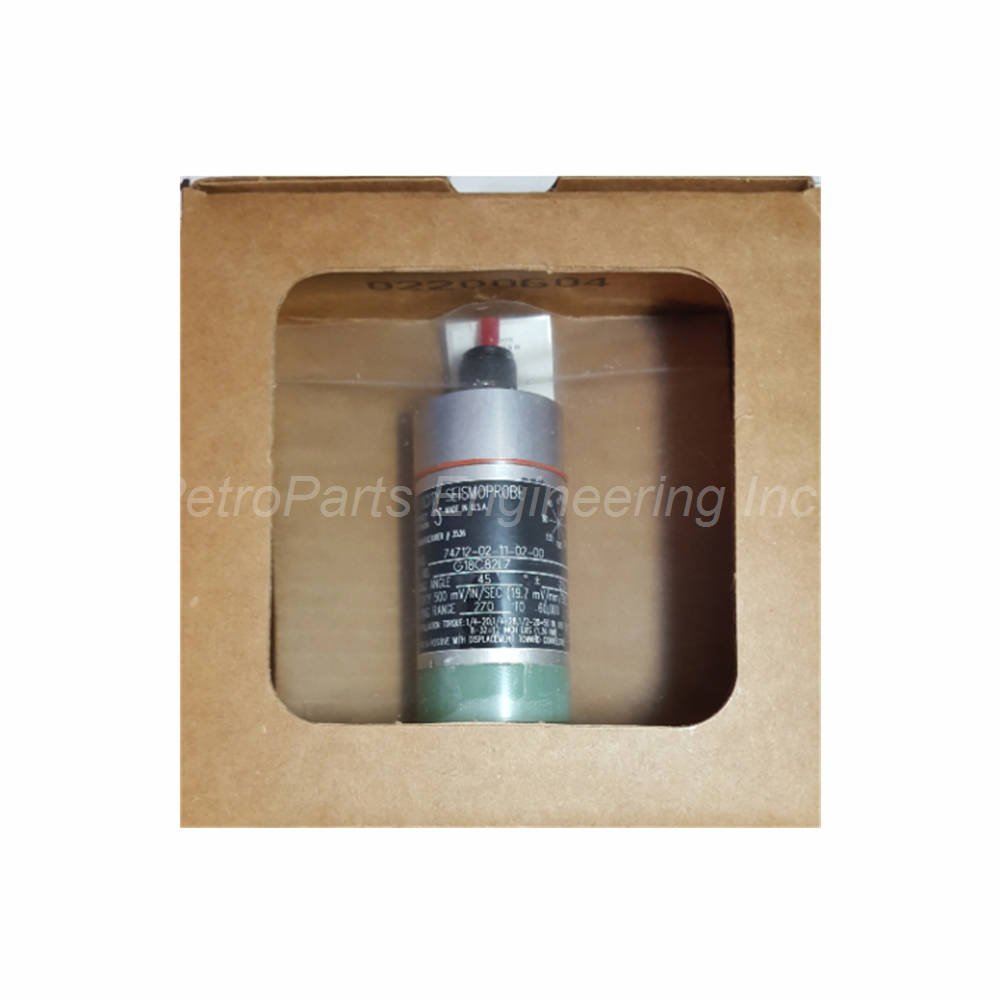
9200-01-50-09-04 Bently Nevada Seismoprobe Velocity Transducer | In Stock | Fast Delivery The Bently Nevada 9200-01-50-09-04 is a professional-grade Two-Wire Velocity Seismoprobe Transducer. This sensor measures absolute vibration by monitoring casing movement relative to inertial space. It uses a self-generating moving-coil design to provide a voltage output proportional to vibration velocity. This Seismoprobe operates reliably […]
 Customer Reviews
UBEST Automation – Trusted Global Automation Parts Supplier
We offer a wide range of in-stock industrial automation spare parts. All products come with a 12-month warranty and a 30-day refund for quality issues.
Product Attributes:
Notice: For real-time prices and inventory, please click the button below to contact us.
9200-01-50-09-04 Bently Nevada Seismoprobe Velocity Transducer | In Stock | Fast Delivery
The Bently Nevada 9200-01-50-09-04 is a professional-grade Two-Wire Velocity Seismoprobe Transducer. This sensor measures absolute vibration by monitoring casing movement relative to inertial space. It uses a self-generating moving-coil design to provide a voltage output proportional to vibration velocity. This Seismoprobe operates reliably in harsh industrial environments without any external power source.
Configuration Breakdown
- Base Model: 9200 (Two-wire Transducer)
- 01: Mounting Angle & Frequency
- Orientation: 0 ±2.5 degrees (Horizontal)
- Min Frequency: 4.5 Hz (270 cpm)
- 50: Connector & Cable
- Integral Cable: 50 feet (15.2 meters)
- 09: Mounting Base
- Type: Isolated circular 5/8-18 UNF stud
- 04: Agency Approval
- Certification: ATEX/IECEx Hazardous Area Rated
- 01: Mounting Angle & Frequency
Technical Specifications
- Brand: Bently Nevada
- Model: 9200-01-50-09-04
- Sensitivity: 20 mV/mm/s (500 mV/in/s) ±5%
- Velocity Range: 25 mm/s (1 in/s) peak velocity
- Frequency Response: 4.5 Hz to 1000 Hz
- Dynamic Range: 2.54 mm (0.1 in) peak-to-peak displacement
- Coil Resistance: 1.25 kΩ ±5%
- Inductance: 125 mH typical
- Temperature Range: -29°C to +121°C
- Environment: Dust and moisture resistant; IP rated
- Case Material: Anodized aluminum A204
- Gasket Material: Neoprene construction
Expert Review & Manager’s Insight
The 9200-01-50-09-04 remains a top choice for machinery protection due to its self-generating signal. It requires no external power, which reduces wiring complexity in remote plant areas. This specific configuration features a 50-foot integral cable. This setup is excellent for high-moisture zones where standard connectors might suffer from corrosion.
Applications & Compatibility
- Gas Turbines: Monitors bearing housing vibration levels effectively.
- Steam Turbines: Tracks casing vibration on large utility units.
- Pumps & Fans: Monitors balance and general mechanical health.
- System Compatibility: Interfaces with Bently Nevada 3500/42M or 3300 monitors.
- Universal Interface: Connects to any standard PLC/DCS analog input.
Installation & Maintenance
- Orientation: Ensure the unit stays within 2.5 degrees of horizontal.
- Wiring: Use the 50-foot cable to minimize signal interference.
- Termination: Connect to a 10 kΩ load for best sensitivity.
- Inspection: Check cable jackets annually for heat damage or wear.
Shipping & Warranty Terms
- Condition: New and Original in Factory Packing
- Warranty: 12 Months factory coverage
- Handling Time: Dispatched within 12-48 hours
- Logistics: Priority shipping via FedEx, UPS, or DHL
FAQ & Selection Guide
- How do I verify the mounting orientation?
- The 01 suffix indicates this model is for horizontal mounting only.
- Does this unit require an external power supply?
- No, this transducer is self-powered via internal moving-coil induction.
- What if I need a different cable length?
- We stock other versions like the 17-foot or 25-foot integral cable models.
- Is this sensor safe for explosive zones?
- Yes, the 04 option provides ATEX and IECEx certifications.
- Selection Guide:
- Always match the mounting angle option to your machine surface. Using a horizontal sensor on a vertical shaft will provide incorrect data.
About Ubest
Ubest Automation is a leading global provider of automation products, with deep partnerships with major automation manufacturers to provide customers with customized business solutions, cost-effective products, and comprehensive services.
Product Center
Contact Us
Phone:+86 180 3000 5825
Address:Room 7A, No. 59 Hubin North Road, Siming District Xiamen City China
Email: sales@ubestplc.com
Contact: Klaus
Scan the QR code