
DT50-P2113 | SICK 200mm-20m Laser Distance Sensor
Introduction:
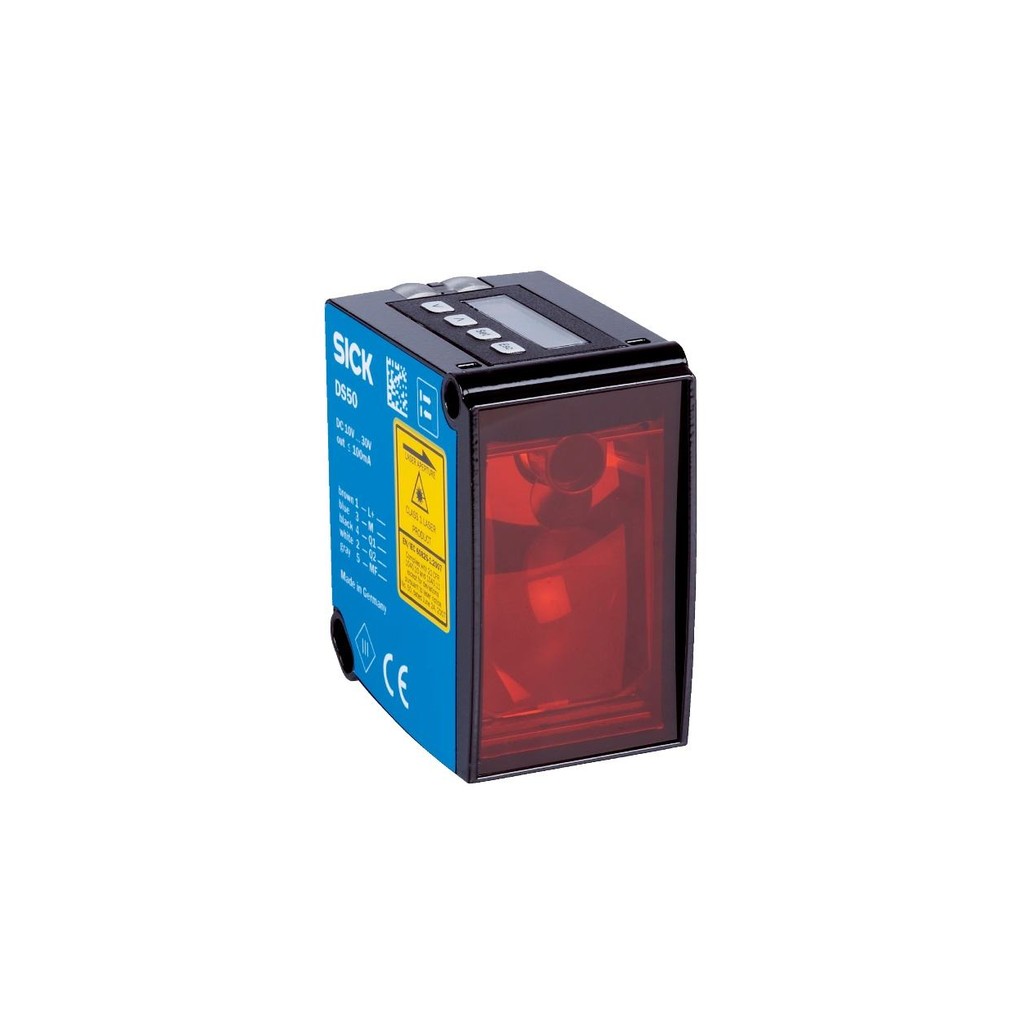
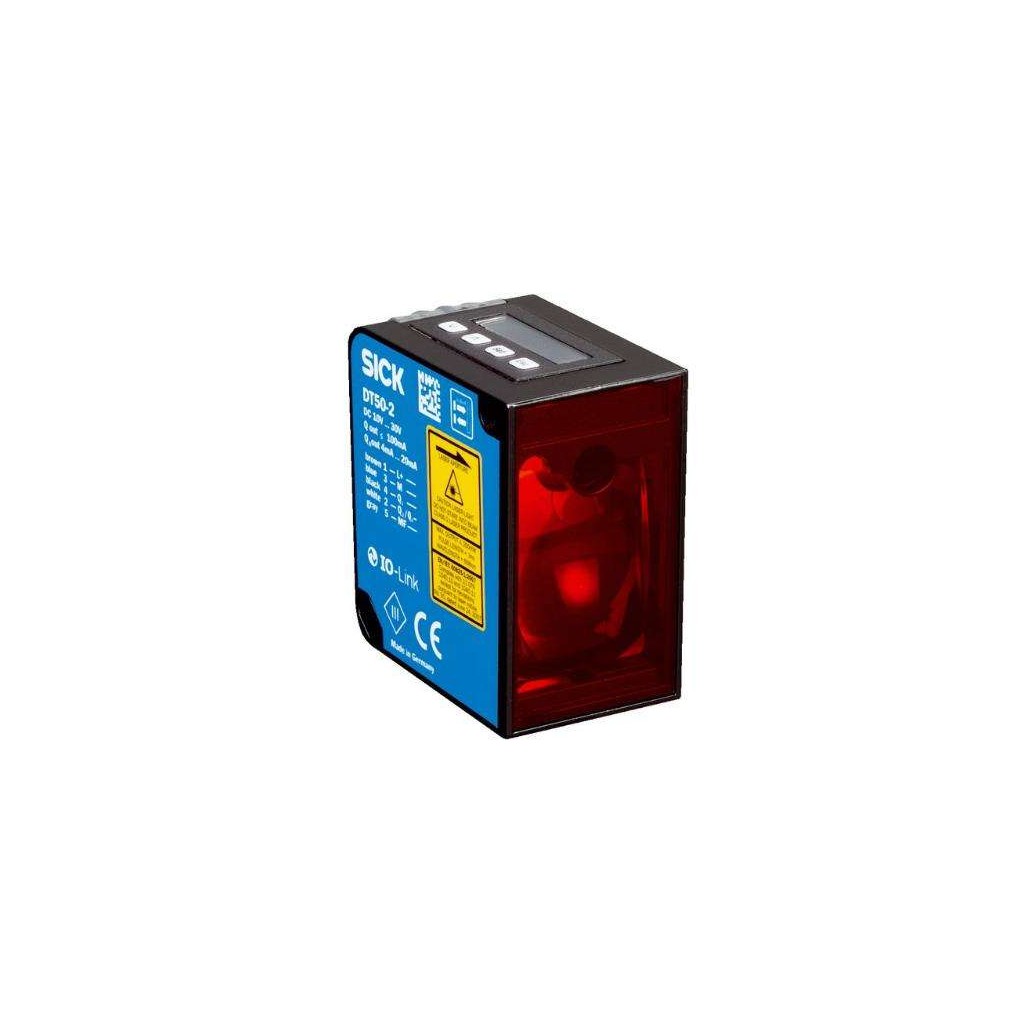
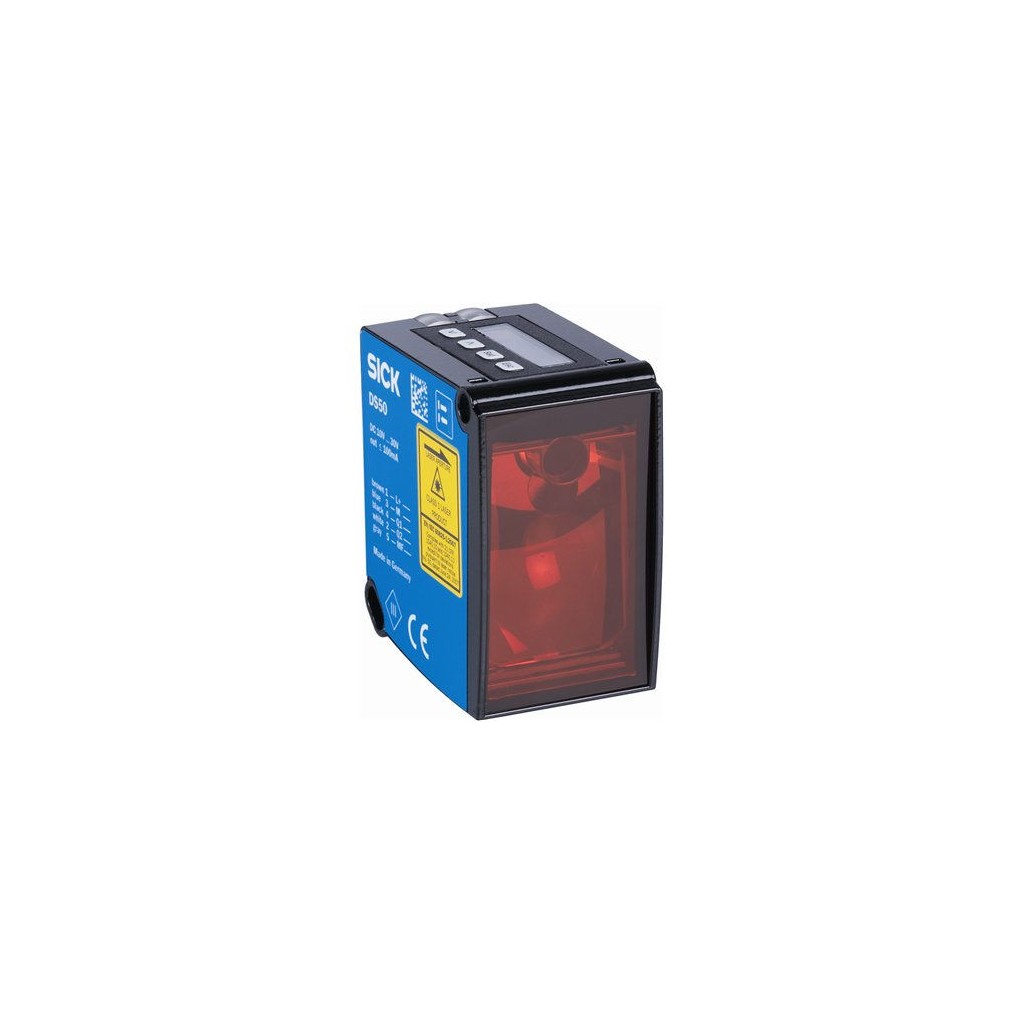
The SICK DT50-P2113 is a rugged laser distance sensor with 200 mm to 20 m range and IP65 protection. It suits demanding oil and gas automation tasks.
 Customer Reviews
UBEST Automation – Trusted Global Automation Parts Supplier
We offer a wide range of in-stock industrial automation spare parts. All products come with a 12-month warranty and a 30-day refund for quality issues.
Product Attributes:
Notice: For real-time prices and inventory, please click the button below to contact us.
What Is the SICK DT50-P2113 Laser Distance Sensor?
The SICK DT50-P2113 is a laser distance sensor from the Dx50 series that measures distances from 200 mm to 20,000 mm on natural objects. It uses HDDM™ optical time-of-flight technology to deliver repeatability of ≥ 1 mm, making it a dependable choice for mission-critical positioning tasks.
Engineered for harsh environments, this sensor features a zinc die-cast housing and an IP65 rating. It operates on a supply voltage of DC 10 V to 30 V and consumes ≤ 2.1 W, so it integrates easily into existing control cabinets. This unit is field-proven in oil and gas applications where reliability matters.
Key Features and Technical Specifications
- Measurement Range: 200 mm to 20,000 mm on 90% remission targets.
- Repeatability: ≥ 1 mm for consistent distance readings.
- Measurement Accuracy: Typical ± 7 mm.
- Light Source: Visible red laser diode, 658 nm, Class 2 per IEC 60825-1:2014.
- Response Time: Fast 15 ms, Medium 30 ms, Slow 80 ms (averaging setting).
- Supply Voltage: DC 10 V to 30 V, reverse-polarity protected.
- Power Consumption: ≤ 2.1 W without external load.
- Outputs: 1x PNP digital (≤ 100 mA) and 1x analog current (4 mA to 20 mA, ≤ 300 Ω, 16-bit).
- Electrical Connection: Male connector M12, 5-pin.
- Ambient Temperature: -30 °C to +65 °C operation; -40 °C to +75 °C storage.
- Enclosure Protection: IP65 per EN 60529.
- Housing Material: Zinc die-cast (ZNAL4CU1) with acrylic glass (PMMA) optical window.
- Dimensions: 36.1 mm x 62.7 mm x 57.7 mm; weight approx. 200 g.
The combination of a visible red laser and a high-resolution LC display simplifies alignment and setup. Because This unit offers both digital and analog outputs, it can interface directly with PLCs or analog input cards without extra signal conditioning.
How to Evaluate This unit for Your Application
When selecting a distance sensor for oil and gas operations, engineers should consider range, environmental protection, and electrical compatibility. This unit addresses these factors with a 20 m measuring range on natural targets, IP65 sealing, and a wide DC input range.
First, verify that the target surface provides sufficient remission. The sensor reaches 20 m on 90% remission surfaces, 10 m on 18% remission, and 5 m on 6% remission. For dark or matte targets, ensure the distance falls within the appropriate range.
Second, check the ambient temperature at the mounting location. The standard operating range is -30 °C to +65 °C. If higher temperatures are expected, SICK offers cooling plates that extend the range to +80 °C or +140 °C with a protection filter. Confirm the required accessories with PetroPartsOnline.
Third, review the electrical interface. The sensor accepts DC 10 V to 30 V and provides a PNP digital output and a 4 mA to 20 mA analog output. This flexibility allows direct connection to most control systems. The M12 5-pin connector ensures a secure, industry-standard link.
Finally, consider the response time. With selectable averaging settings of 15 ms, 30 ms, or 80 ms, you can balance speed against signal stability. For fast-moving targets, choose the 15 ms setting; for noisy environments, the 80 ms setting improves repeatability.
Typical Applications in Oil and Gas Automation
This unit excels in applications where non-contact distance measurement is essential. In tank farms, it can monitor fill levels without touching the product, reducing contamination risk. On drilling rigs, it helps position equipment by measuring distances to moving components. Because the sensor is built for demanding environments, it withstands vibration and temperature swings common in upstream and midstream operations.
Additionally, the IP65 rating protects against dust and water jets, making the sensor suitable for wash-down areas or outdoor installations with a protective cover. The zinc die-cast housing resists impact and corrosion, extending service life in corrosive atmospheres.
Installation and Setup Guidelines
Mount This unit using the appropriate brackets for your application. Ensure a clear line of sight to the target and avoid direct sunlight or strong ambient light on the receiver. Although the HDDM™ technology provides ambient light stability, extreme conditions may affect performance.
Connect the M12 5-pin connector according to the wiring diagram in the official datasheet. The supply voltage must be within DC 10 V to 30 V. Use a power supply capable of delivering the required current; the sensor draws ≤ 2.1 W. For the analog output, keep the load resistance ≤ 300 Ω to maintain accuracy.
After power-up, use the LC display and menu buttons to configure the measurement mode, averaging, and output scaling. The intuitive interface simplifies commissioning, reducing downtime during installation.
Maintenance and Reliability
This unit requires minimal maintenance thanks to its solid-state design and robust housing. Periodically inspect the optical window for dust or debris and clean it with a soft, dry cloth. Do not use abrasive cleaners that could scratch the PMMA window.
Check the mounting hardware for tightness, especially in high-vibration areas. Verify that the ambient temperature remains within the specified range; if not, consider adding cooling plates. With these simple steps, the sensor delivers reliability you can depend on over a long service life.
Frequently Asked Questions
What is the measuring range of the SICK unit?
This unit measures from 200 mm to 20,000 mm on 90% remission targets. On 18% remission, the range is 200 mm to 10,000 mm, and on 6% remission, it is 200 mm to 5,000 mm.
What is the supply voltage for This unit?
The sensor operates on a supply voltage of DC 10 V to 30 V and is reverse-polarity protected. Power consumption is ≤ 2.1 W without external load.
Can This unit operate in high-temperature environments?
The standard operating temperature range is -30 °C to +65 °C. With two cooling plates, it extends to +80 °C, and with two cooling plates plus a protection filter, it reaches +140 °C (Uv ≤ 24 V).
What type of output signals does This unit provide?
It offers one PNP digital output (≤ 100 mA) and one analog current output (4 mA to 20 mA, ≤ 300 Ω, 16-bit). A multifunctional input is also available.
How do I order This unit for my project?
Contact PetroPartsOnline for parts suited to your application's requirements. This unit is available with application-specific selection guidance.
{"@context": "https://schema.org", "@graph": [{"@type": "Product", "name": "DT50-P2113 | SICK 200mm-20m Laser Distance Sensor", "mpn": "DT50-P2113", "sku": "DT50-P2113", "brand": {"@type": "Brand", "name": "SICK"}, "description": "What Is the SICK DT50-P2113 Laser Distance Sensor? The SICK DT50-P2113 is a laser distance sensor from the Dx50 series that measures distances from 200 mm to 20,000 mm on natural objects. It uses HDDM™ optical time-of-flight technology to deliver repeatability of ≥ 1 mm, making it a dependable choice for mission-critical positioning tasks. Engineered for harsh environments, this sensor features a zinc die-cast housing and an IP65 rating. It operates on a supply voltage of DC 10 V to 30 V and con", "image": ["https://www.petropartsonline.com/wp-content/uploads/2026/10/1793113264-api_image__fpa453cc6a.jpg", "https://www.petropartsonline.com/wp-content/uploads/2026/10/1793113290-api_image__fp8fab8ac2.jpg", "https://www.petropartsonline.com/wp-content/uploads/2026/10/1793113312-api_image__fp0c060e9e.jpg"]}, {"@type": "FAQPage", "mainEntity": [{"@type": "Question", "name": "What Is the SICK DT50-P2113 Laser Distance Sensor?", "acceptedAnswer": {"@type": "Answer", "text": "The SICK DT50-P2113 is a laser distance sensor from the Dx50 series that measures distances from 200 mm to 20,000 mm on natural objects. It uses HDDM™ optical time-of-flight technology to deliver repeatability of ≥ 1 mm, making it a dependable choice for mission-critical positioning tasks. Engineered for harsh environments, this sensor features a zinc die-cast housing and an IP65 rating. It operates on a supply voltage of DC 10 V to 30 V and consumes ≤ 2.1 W, so it integrates easily into existing control cabinets. This unit is field-proven in oil and gas applications where reliability matters."}}, {"@type": "Question", "name": "What is the measuring range of the SICK unit?", "acceptedAnswer": {"@type": "Answer", "text": "This unit measures from 200 mm to 20,000 mm on 90% remission targets. On 18% remission, the range is 200 mm to 10,000 mm, and on 6% remission, it is 200 mm to 5,000 mm."}}, {"@type": "Question", "name": "What is the supply voltage for This unit?", "acceptedAnswer": {"@type": "Answer", "text": "The sensor operates on a supply voltage of DC 10 V to 30 V and is reverse-polarity protected. Power consumption is ≤ 2.1 W without external load."}}, {"@type": "Question", "name": "Can This unit operate in high-temperature environments?", "acceptedAnswer": {"@type": "Answer", "text": "The standard operating temperature range is -30 °C to +65 °C. With two cooling plates, it extends to +80 °C, and with two cooling plates plus a protection filter, it reaches +140 °C (Uv ≤ 24 V)."}}, {"@type": "Question", "name": "What type of output signals does This unit provide?", "acceptedAnswer": {"@type": "Answer", "text": "It offers one PNP digital output (≤ 100 mA) and one analog current output (4 mA to 20 mA, ≤ 300 Ω, 16-bit). A multifunctional input is also available."}}, {"@type": "Question", "name": "How do I order This unit for my project?", "acceptedAnswer": {"@type": "Answer", "text": "Contact PetroPartsOnline for parts suited to your application's requirements. This unit is available with application-specific selection guidance."}}]}]}