
DT50-N1114 | SICK 10 m HDDM Heated Sensor
Introduction:
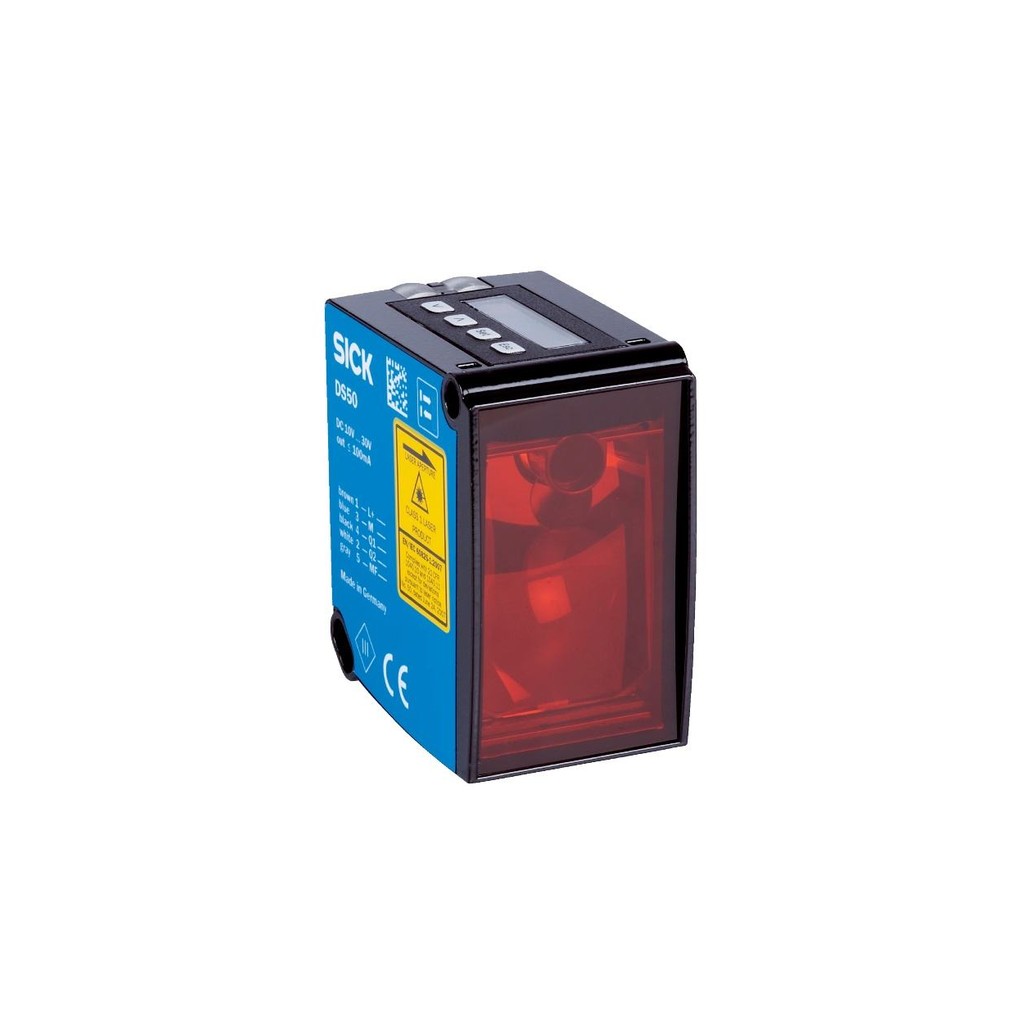
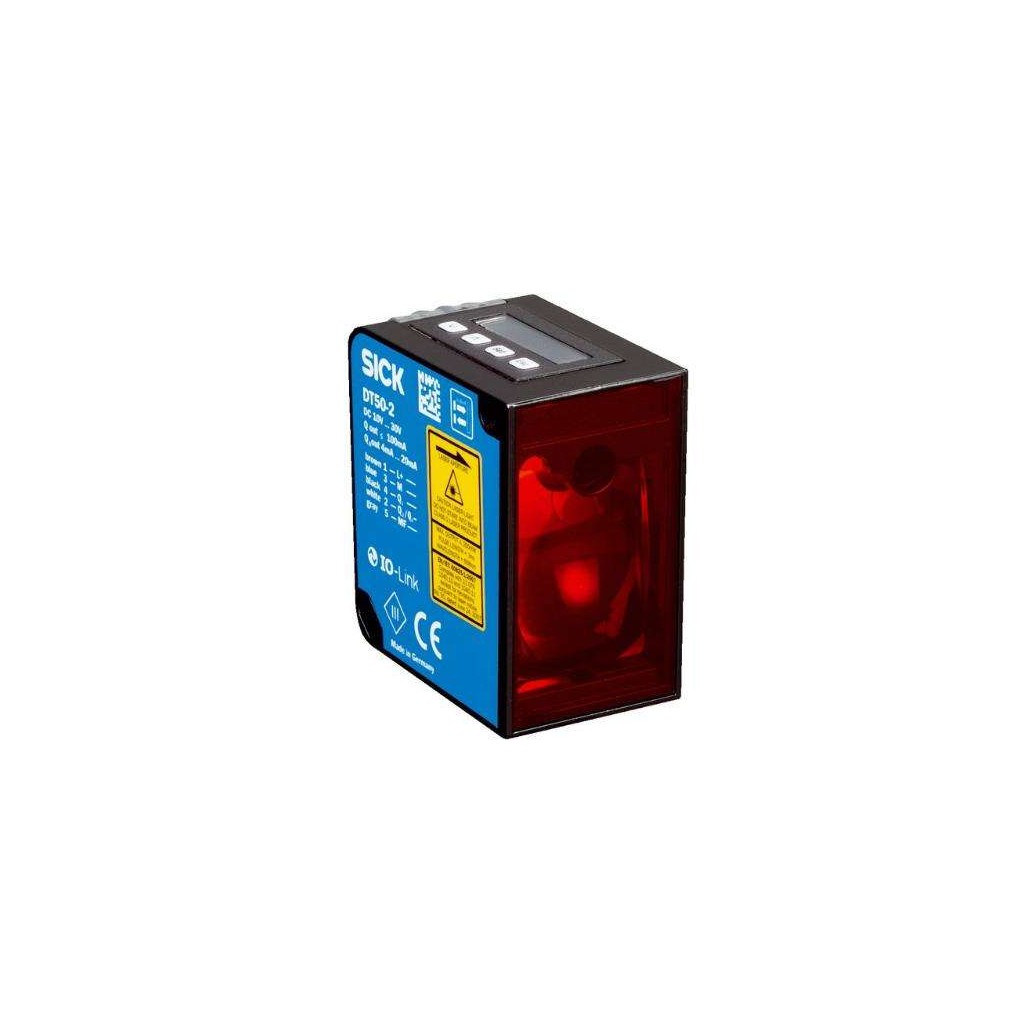
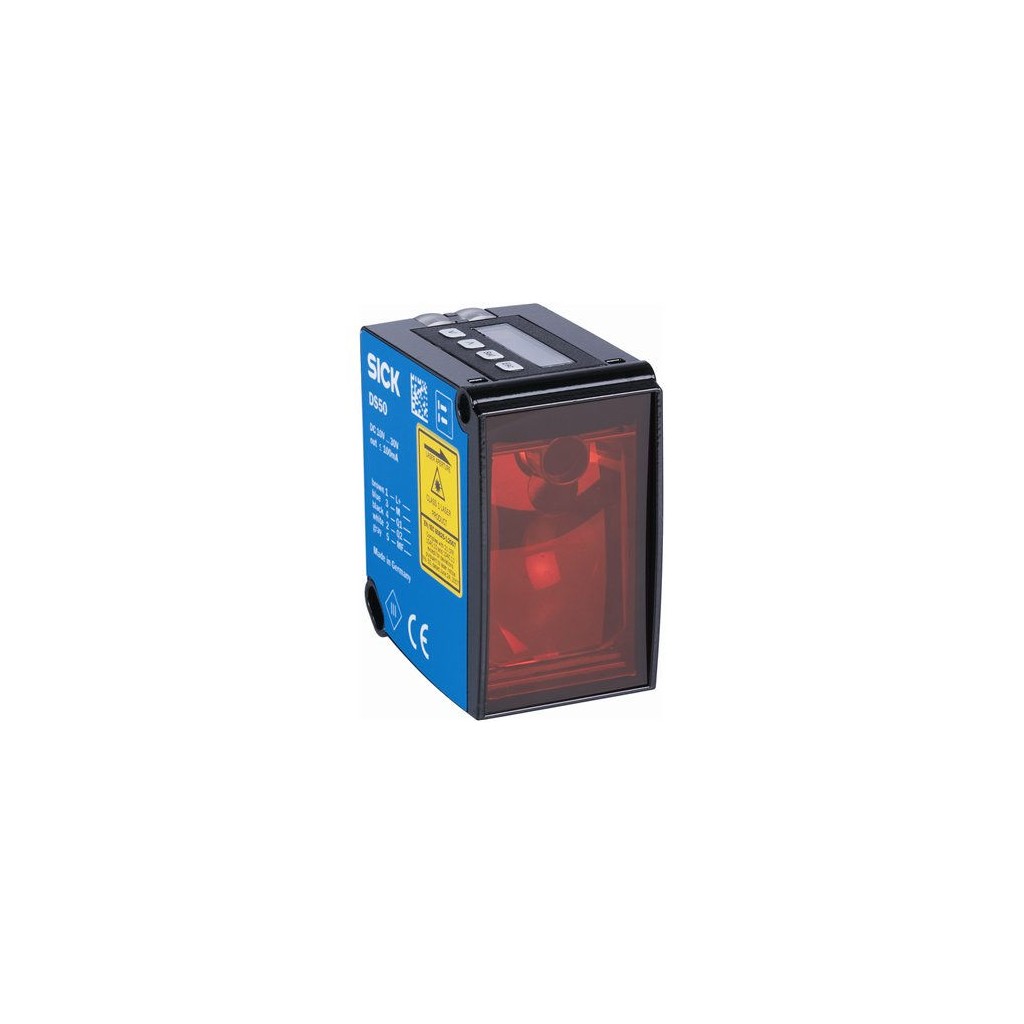
The SICK DT50-N1114 is a heated optical time-of-flight sensor with 10 m range, IP65 housing, and -40 °C operation for reliable oil and gas duty.
 Customer Reviews
UBEST Automation – Trusted Global Automation Parts Supplier
We offer a wide range of in-stock industrial automation spare parts. All products come with a 12-month warranty and a 30-day refund for quality issues.
Product Attributes:
Notice: For real-time prices and inventory, please click the button below to contact us.
What the SICK DT50-N1114 Delivers in Harsh Oil and Gas Environments
The SICK DT50-N1114 is a heated optical time-of-flight distance sensor from the Dx50 series. It measures up to 10,000 mm on natural objects and operates down to -40 °C with its factory-integrated heater. For maintenance engineers, this means dependable position feedback without reflector targets, even in cold or dirty process areas.
The part number 1047582 identifies the heated DT50 variant. Its HDDM™ measurement principle provides repeatability of ≥ 2.5 mm and typical accuracy of ± 10 mm. Because the sensor uses visible red laser light, alignment during service is straightforward and safe when following Class 2 precautions.
Key Specifications of This unit Heated Sensor
- Measurement range: 200 mm to 10,000 mm at 90% remission; 200 mm to 6,500 mm at 18% remission.
- Light source: Visible red laser diode, 658 nm, Class 2 per IEC 60825-1:2014.
- Response time: Fast setting 20 ms; Slow setting 30 ms with averaging.
- Repeatability: ≥ 2.5 mm; measurement accuracy typically ± 10 mm.
- Supply voltage: DC 24 V (18 V to 30 V); VS > 15 V required for the internal heating element.
- Power consumption: ≤ 28 W with heater active and no external load.
- Ambient temperature, operation: -40 °C to +65 °C with integrated heating; up to +140 °C with two cooling plates and protection filter.
- Enclosure protection: IP65 per EN 60529.
- Housing material: Zinc die-cast (ZNAL4CU1) with acrylic glass (PMMA) optical window.
- Electrical connection: M12 8-pin male connector.
The combination of a heated optical path and a rugged zinc die-cast housing makes this sensor built for demanding environments. The internal heater is particularly valuable in cold-storage and deep-freeze areas where condensation and frost would otherwise blind a standard sensor.
How This unit Handles Cold Starts and Condensation
From a maintenance perspective, the most common failure mode for optical sensors in oil and gas plants is contamination or frost on the optical window. This unit addresses this with an integrated heating element that activates when the supply voltage exceeds 15 V. As a result, the sensor remains operational down to -40 °C without external heat tracing.
For higher ambient temperatures, SICK offers two cooling plates that extend the operating range to +80 °C. Adding a protection filter further extends operation to +140 °C. These accessories are application-specific, so engineers should confirm the exact configuration with the supplier before installation.
Because the sensor uses HDDM™ optical time-of-flight technology, it maintains stable readings under varying ambient light. This reliability reduces nuisance trips and unplanned maintenance calls. The IP65 rating also allows washdown cleaning in many process areas, although the optical window should be inspected regularly for buildup.
Installation and Electrical Integration
This unit connects via an M12 8-pin male connector, which is standard in industrial automation. Wiring should follow the manufacturer's pin assignment for the digital NPN output, analog voltage output, and multifunctional input. The supply must provide DC 24 V within the 18 V to 30 V range, and the heating element requires VS > 15 V to function.
Mount the sensor so that the laser beam strikes the target surface at a suitable angle. The visible red laser spot simplifies alignment. Because the sensor is reverse-polarity protected, accidental wiring errors during commissioning are less likely to cause damage. However, always verify polarity before applying power.
For network integration, note that This unit provides discrete and analog outputs rather than a fieldbus interface. If the application requires connection to a control system via a fieldbus, an external gateway or connection module may be needed. Confirm cable and gateway compatibility with PetroPartsOnline before ordering.
Maintenance Practices for Reliable Service
Routine inspection should focus on the optical window and the housing seals. In dusty or oily environments, a soft cloth and mild detergent can remove contaminants, but avoid abrasive materials that could scratch the PMMA window. Check the M12 connector for tightness and corrosion during scheduled maintenance.
The integrated heater has no user-serviceable parts. If the sensor fails to heat, verify the supply voltage is above 15 V and that the power consumption does not exceed 28 W. For persistent issues, contact PetroPartsOnline for application-specific selection guidance or replacement options.
Because This unit is part of the Dx50 DT50 Heated family, maintenance engineers can standardize on this platform across cold and hot zones. This commonality reduces spare-parts inventory and simplifies training.
Frequently Asked Questions
What is the operating temperature range of This unit?
With the integrated heater, the SICK unit operates from -40 °C to +65 °C. Adding two cooling plates extends the upper limit to +80 °C, and with a protection filter the range reaches +140 °C.
Does This unit require a reflector?
No. This unit uses direct diffuse distance measurement on natural objects, so no reflector is needed. Its range is up to 10,000 mm at 90% remission.
What supply voltage does the heating element need?
The internal heating element requires a supply voltage greater than 15 V. The sensor accepts DC 24 V nominal with a range of 18 V to 30 V and is reverse-polarity protected.
How often should the optical window be cleaned?
Inspect the PMMA window during scheduled maintenance rounds. Clean it when buildup is visible, using a soft cloth and mild detergent. Avoid abrasive cleaners that could damage the surface.
Can This unit connect directly to a PROFINET network?
No. This unit provides an NPN digital output and an analog voltage output. For fieldbus integration, an external gateway or connection module is required. Contact PetroPartsOnline for guidance on compatible interfaces.
For parts suited to your application's requirements, contact PetroPartsOnline. The SICK unit offers field-proven reliability you can depend on in mission-critical oil and gas operations.
{"@context": "https://schema.org", "@graph": [{"@type": "Product", "name": "DT50-N1114 | SICK 10 m HDDM Heated Sensor", "mpn": "DT50-N1114", "sku": "DT50-N1114", "brand": {"@type": "Brand", "name": "SICK"}, "description": "What the SICK DT50-N1114 Delivers in Harsh Oil and Gas Environments The SICK DT50-N1114 is a heated optical time-of-flight distance sensor from the Dx50 series. It measures up to 10,000 mm on natural objects and operates down to -40 °C with its factory-integrated heater. For maintenance engineers, this means dependable position feedback without reflector targets, even in cold or dirty process areas. The part number 1047582 identifies the heated DT50 variant. Its HDDM™ measurement principle provi", "image": ["https://www.petropartsonline.com/wp-content/uploads/2026/10/1793105905-api_image__fp8bc9aa8c.jpg", "https://www.petropartsonline.com/wp-content/uploads/2026/10/1793105913-api_image__fp3114fda0.jpg", "https://www.petropartsonline.com/wp-content/uploads/2026/10/1793105924-api_image__fp776ae40d.jpg"]}, {"@type": "FAQPage", "mainEntity": [{"@type": "Question", "name": "What is the operating temperature range of This unit?", "acceptedAnswer": {"@type": "Answer", "text": "With the integrated heater, the SICK unit operates from -40 °C to +65 °C. Adding two cooling plates extends the upper limit to +80 °C, and with a protection filter the range reaches +140 °C."}}, {"@type": "Question", "name": "Does This unit require a reflector?", "acceptedAnswer": {"@type": "Answer", "text": "No. This unit uses direct diffuse distance measurement on natural objects, so no reflector is needed. Its range is up to 10,000 mm at 90% remission."}}, {"@type": "Question", "name": "What supply voltage does the heating element need?", "acceptedAnswer": {"@type": "Answer", "text": "The internal heating element requires a supply voltage greater than 15 V. The sensor accepts DC 24 V nominal with a range of 18 V to 30 V and is reverse-polarity protected."}}, {"@type": "Question", "name": "How often should the optical window be cleaned?", "acceptedAnswer": {"@type": "Answer", "text": "Inspect the PMMA window during scheduled maintenance rounds. Clean it when buildup is visible, using a soft cloth and mild detergent. Avoid abrasive cleaners that could damage the surface."}}, {"@type": "Question", "name": "Can This unit connect directly to a PROFINET network?", "acceptedAnswer": {"@type": "Answer", "text": "No. This unit provides an NPN digital output and an analog voltage output. For fieldbus integration, an external gateway or connection module is required. Contact PetroPartsOnline for guidance on compatible interfaces. For parts suited to your application's requirements, contact PetroPartsOnline. The SICK unit offers field-proven reliability you can depend on in mission-critical oil and gas operations."}}]}]}