
1606-XLPRED | Allen-Bradley DC 9...80 V Redundancy Module

Introduction:
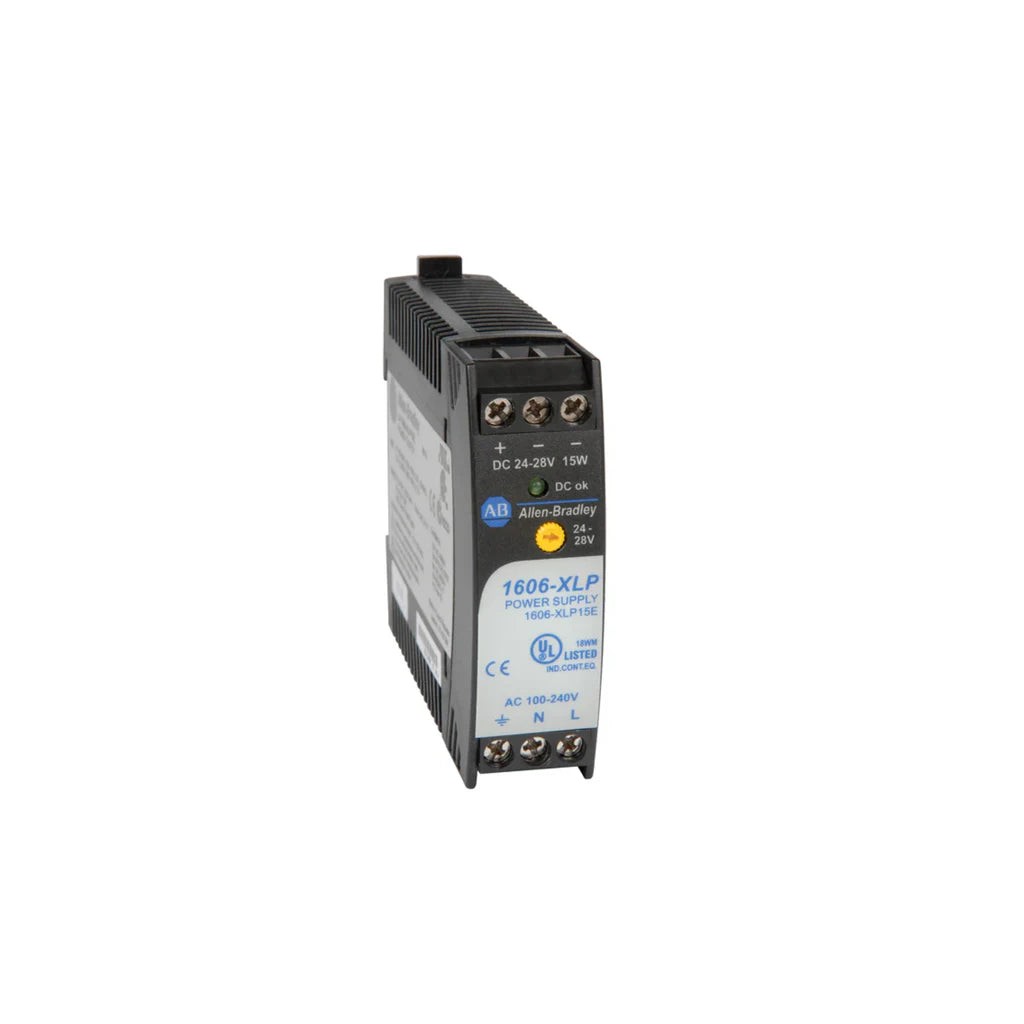
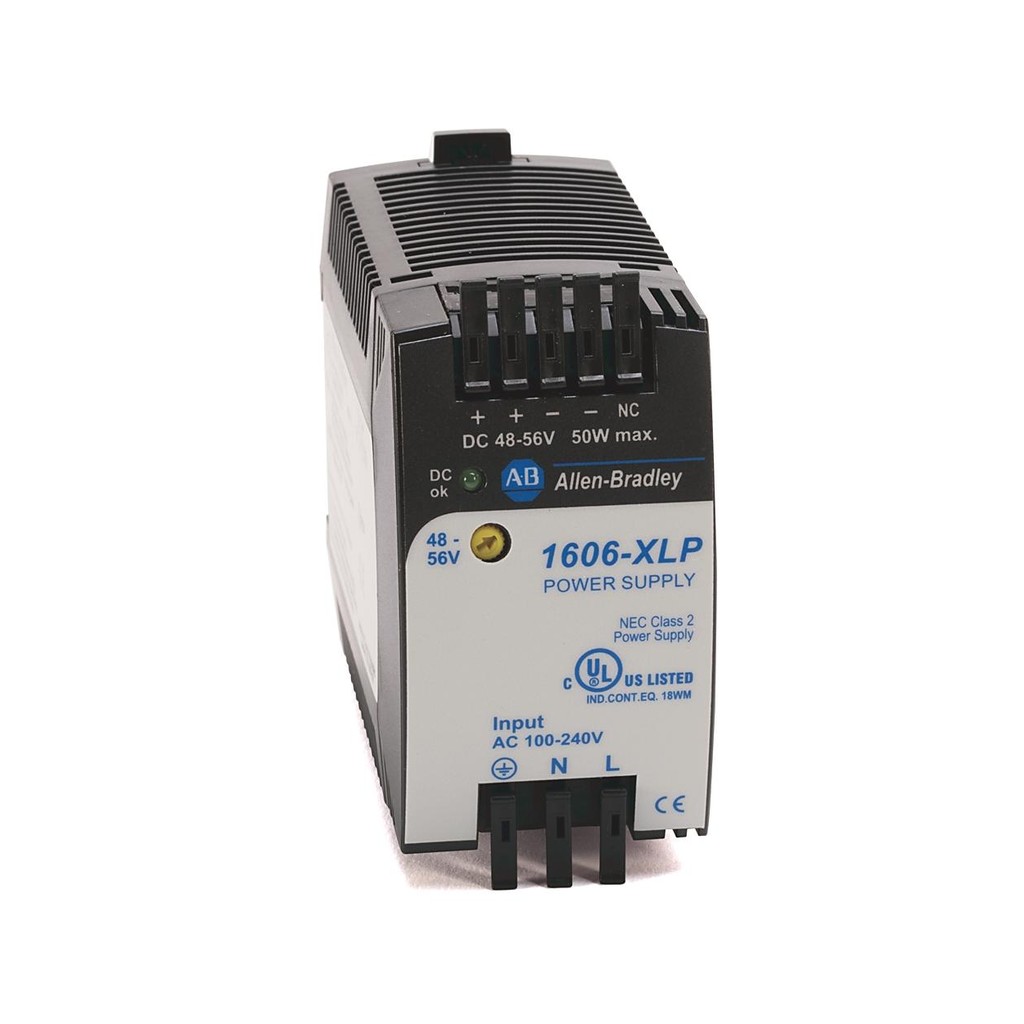
The Allen-Bradley 1606-XLPRED is a dual-input diode redundancy module for 1+1 DC power systems, rated 10 A nominal and built for field-proven reliability.
 Customer Reviews
UBEST Automation – Trusted Global Automation Parts Supplier
We offer a wide range of in-stock industrial automation spare parts. All products come with a 12-month warranty and a 30-day refund for quality issues.
Product Attributes:
Notice: For real-time prices and inventory, please click the button below to contact us.
What Is the Allen-Bradley 1606-XLPRED Redundancy Module?
The Allen-Bradley 1606-XLPRED is a DIN rail mounted dual-input diode redundancy module from the Bulletin 1606-XL series. It accepts a DC 9...80 V input range and delivers a DC 12...48 V nominal output at 10 A nominal, making it a rugged building block for 1+1 redundant DC power architectures in mission-critical oil and gas control panels.
Engineers evaluating a plc module replacement often focus on the controller itself. However, the power path in front of that controller determines whether a single supply failure can take the process down. This unit addresses that layer directly, using diode decoupling to isolate two input sources while presenting one output to the load.
Key Features and Technical Specifications
- Input voltage: DC 9...80 V range with 2× 5 A input capability.
- Output voltage: DC 12...48 V nominal.
- Output current: 10 A nominal (2× 5 A / 10 A), with 16 A maximum short-circuit current.
- Voltage drop: 800 mV at the output.
- Decoupling: Diode based for 1+1 redundancy.
- Operating temperature: -40...+70 °C.
- Protection rating: IP20 for DIN rail or enclosure mounting.
- Dimensions: 75 × 45 × 81 mm (H×W×D).
- Weight: 140 g.
- Approvals: UL 60950-1 / cUL / CE marked.
The wide DC 9...80 V input window is the standout parameter for field engineers. It lets the module sit in front of supplies whose output floats across a broad range, while the 800 mV drop remains predictable for load budgeting. Because the module has no communication interface, it introduces no protocol configuration burden in the control cabinet.
How Does This unit Fit Into a 1+1 Redundant Power Design?
In a 1+1 architecture, two power supplies feed the redundancy module, which combines them into a single output. If one supply fails or is taken offline for service, the diode decoupling prevents the failed source from dragging down the healthy one. Consequently, the load continues to receive DC 12...48 V nominal without interruption.
The module's 10 A nominal rating and 2× 5 A input structure suit branch circuits where each supply contributes half the load. During a short-circuit event, the 16 A maximum short-circuit current rating defines the stress the module can carry. Therefore, size upstream protection and wiring to respect that limit.
Because This unit is passive in operation, it does not require firmware, addressing, or network setup. This simplicity is valuable in remote wellhead panels and compressor stations where maintenance access is limited and every added configuration step is a potential failure point.
Where the Module Is Used in Oil and Gas Operations
Redundancy modules like This unit appear wherever a loss of DC control power stops production or compromises safety. Typical locations include RTU and PLC cabinets on wellpads, SCADA outstations along gathering lines, and compressor station control rooms. In each case, the module keeps the control electronics powered when a single supply trips.
The -40...+70 °C operating temperature range supports deployment in unheated shelters and outdoor enclosures across many producing regions. Meanwhile, the IP20 rating means the module belongs inside a protective cabinet, not in open air. As a result, installation planning should account for enclosure climate control where ambient extremes exceed the published range.
When a legacy panel needs a plc power supply module replacement, This unit can serve as the redundancy element in the new power path. Its DIN rail mount and spring terminals simplify retrofits in existing cabinets with limited space.
Installation and Commissioning Guidance
Mount This unit on a standard DIN rail inside an enclosure that maintains the IP20 environment. Use the spring terminals to land the two input sources and the combined output, observing the DC 9...80 V input and DC 12...48 V nominal output windows. Before energizing, verify polarity and confirm that upstream overcurrent protection is coordinated with the 10 A nominal and 16 A maximum short-circuit current ratings.
Because the module has no communication ports, commissioning is limited to electrical checks. Measure the output voltage and the 800 mV drop under load to confirm the module is operating within expectations. Also record the operating temperature at the module surface during a representative load cycle, particularly if the cabinet is in a hot climate.
Maintenance, Reliability, and Lifecycle Status
This unit has no moving parts and no firmware, so maintenance centers on periodic inspection. Check terminal torque and spring terminal seating, look for discoloration from heat, and verify that cabinet filters or fans keep the internal temperature within the -40...+70 °C operating range. In dusty locations, keep the IP20 enclosure sealed and clean the intake filters on schedule.
Diode decoupling is a field-proven approach to redundancy, and the module's 140 g weight and compact 75 × 45 × 81 mm footprint leave room for adjacent devices. Reliability you can depend on starts with correct load budgeting, so review the 10 A nominal output against actual demand after any panel modification.
This unit is active on official Rockwell product pages and appears in Bulletin 1606-TD002H technical data. Please verify current lifecycle status and availability with PetroPartsOnline before ordering.
Buyer Checklist: Is This unit Right for Your Panel?
Use the following questions to evaluate fit before purchase. First, confirm that your two DC sources fall within the DC 9...80 V input range. Second, verify that the combined load does not exceed 10 A nominal. Third, check that the expected output window matches DC 12...48 V nominal. Fourth, confirm the cabinet maintains the -40...+70 °C operating temperature range. Finally, ensure the enclosure provides IP20 protection and DIN rail space for the 75 × 45 × 81 mm housing.
If these conditions align, the module offers a straightforward redundancy layer with UL 60950-1 / cUL / CE marked approvals. For application-specific selection guidance, contact PetroPartsOnline for parts suited to your application's requirements.
Frequently Asked Questions
What input voltage range does This unit accept?
The Allen-Bradley unit accepts a DC 9...80 V input range across two 5 A inputs. This wide window allows it to work with supplies whose output varies within that band.
Can this module be used for a plc power supply module replacement?
Yes, This unit can serve as the redundancy element in a replacement power path. Confirm that the existing supplies and load fall within the DC 9...80 V input and 10 A nominal output ratings before installing it.
What is the operating temperature range of This unit?
The module operates from -40...+70 °C. Install it inside an enclosure that keeps ambient conditions within this range, since the IP20 rating requires a protected environment.
Does This unit require any communication configuration?
No. The module has no built-in ports and no communication protocol. Commissioning involves only electrical checks of input voltage, output voltage, and the 800 mV drop.
How much voltage drop does the redundancy module introduce?
The Allen-Bradley unit introduces an 800 mV drop at the output. Account for this value when budgeting the DC 12...48 V nominal output for downstream loads.
{"@context": "https://schema.org", "@graph": [{"@type": "Product", "name": "1606-XLPRED | Allen-Bradley DC 9...80 V Redundancy Module", "mpn": "1606-XLPRED", "sku": "1606-XLPRED", "brand": {"@type": "Brand", "name": "Allen-Bradley"}, "description": "What Is the Allen-Bradley 1606-XLPRED Redundancy Module? The Allen-Bradley 1606-XLPRED is a DIN rail mounted dual-input diode redundancy module from the Bulletin 1606-XL series. It accepts a DC 9...80 V input range and delivers a DC 12...48 V nominal output at 10 A nominal, making it a rugged building block for 1+1 redundant DC power architectures in mission-critical oil and gas control panels. Engineers evaluating a plc module replacement often focus on the controller itself. However, the power", "image": ["https://www.petropartsonline.com/wp-content/uploads/2026/10/1793161876-api_image__fp8f69333d.jpg", "https://www.petropartsonline.com/wp-content/uploads/2026/10/1793161884-api_image__fpa499fed3.jpg", "https://www.petropartsonline.com/wp-content/uploads/2026/10/1793161890-api_image__fp37e35e54.jpg"], "category": "Cables & Accessories"}, {"@type": "FAQPage", "mainEntity": [{"@type": "Question", "name": "What Is the Allen-Bradley 1606-XLPRED Redundancy Module?", "acceptedAnswer": {"@type": "Answer", "text": "The Allen-Bradley 1606-XLPRED is a DIN rail mounted dual-input diode redundancy module from the Bulletin 1606-XL series. It accepts a DC 9...80 V input range and delivers a DC 12...48 V nominal output at 10 A nominal, making it a rugged building block for 1+1 redundant DC power architectures in mission-critical oil and gas control panels. Engineers evaluating a plc module replacement often focus on the controller itself. However, the power path in front of that controller determines whether a single supply failure can take the process down. This unit addresses that layer directly, using diode decoupling to isolate two input sources while presenting one output to the load."}}, {"@type": "Question", "name": "How Does This unit Fit Into a 1+1 Redundant Power Design?", "acceptedAnswer": {"@type": "Answer", "text": "In a 1+1 architecture, two power supplies feed the redundancy module, which combines them into a single output. If one supply fails or is taken offline for service, the diode decoupling prevents the failed source from dragging down the healthy one. Consequently, the load continues to receive DC 12...48 V nominal without interruption. The module's 10 A nominal rating and 2× 5 A input structure suit branch circuits where each supply contributes half the load. During a short-circuit event, the 16 A maximum short-circuit current rating defines the stress the module can carry. Therefore, size upstream protection and wiring to respect that limit. Because This unit is passive in operation, it does not require firmware, addressing, or network setup. This simplicity is valuable in remote wellhead panels and compressor stations where maintenance access is limited and every added configuration step is a potential failure point."}}, {"@type": "Question", "name": "Buyer Checklist: Is This unit Right for Your Panel?", "acceptedAnswer": {"@type": "Answer", "text": "Use the following questions to evaluate fit before purchase. First, confirm that your two DC sources fall within the DC 9...80 V input range. Second, verify that the combined load does not exceed 10 A nominal. Third, check that the expected output window matches DC 12...48 V nominal. Fourth, confirm the cabinet maintains the -40...+70 °C operating temperature range. Finally, ensure the enclosure provides IP20 protection and DIN rail space for the 75 × 45 × 81 mm housing. If these conditions align, the module offers a straightforward redundancy layer with UL 60950-1 / cUL / CE marked approvals. For application-specific selection guidance, contact PetroPartsOnline for parts suited to your application's requirements."}}, {"@type": "Question", "name": "What input voltage range does This unit accept?", "acceptedAnswer": {"@type": "Answer", "text": "The Allen-Bradley unit accepts a DC 9...80 V input range across two 5 A inputs. This wide window allows it to work with supplies whose output varies within that band."}}, {"@type": "Question", "name": "Can this module be used for a plc power supply module replacement?", "acceptedAnswer": {"@type": "Answer", "text": "Yes, This unit can serve as the redundancy element in a replacement power path. Confirm that the existing supplies and load fall within the DC 9...80 V input and 10 A nominal output ratings before installing it."}}, {"@type": "Question", "name": "What is the operating temperature range of This unit?", "acceptedAnswer": {"@type": "Answer", "text": "The module operates from -40...+70 °C. Install it inside an enclosure that keeps ambient conditions within this range, since the IP20 rating requires a protected environment."}}, {"@type": "Question", "name": "Does This unit require any communication configuration?", "acceptedAnswer": {"@type": "Answer", "text": "No. The module has no built-in ports and no communication protocol. Commissioning involves only electrical checks of input voltage, output voltage, and the 800 mV drop."}}, {"@type": "Question", "name": "How much voltage drop does the redundancy module introduce?", "acceptedAnswer": {"@type": "Answer", "text": "The Allen-Bradley unit introduces an 800 mV drop at the output. Account for this value when budgeting the DC 12...48 V nominal output for downstream loads."}}]}]}