
Yokogawa ALR111-S01 Serial Communication Module RS-232C
Introduction:
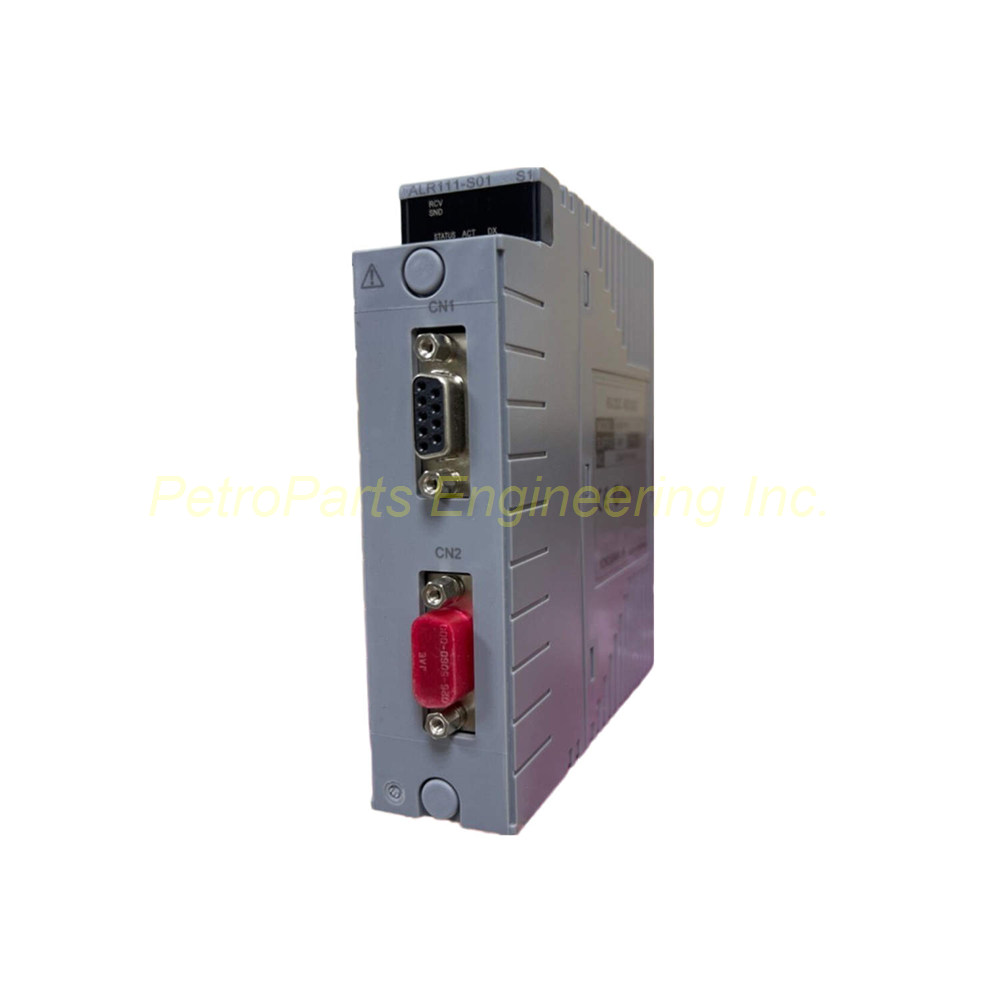
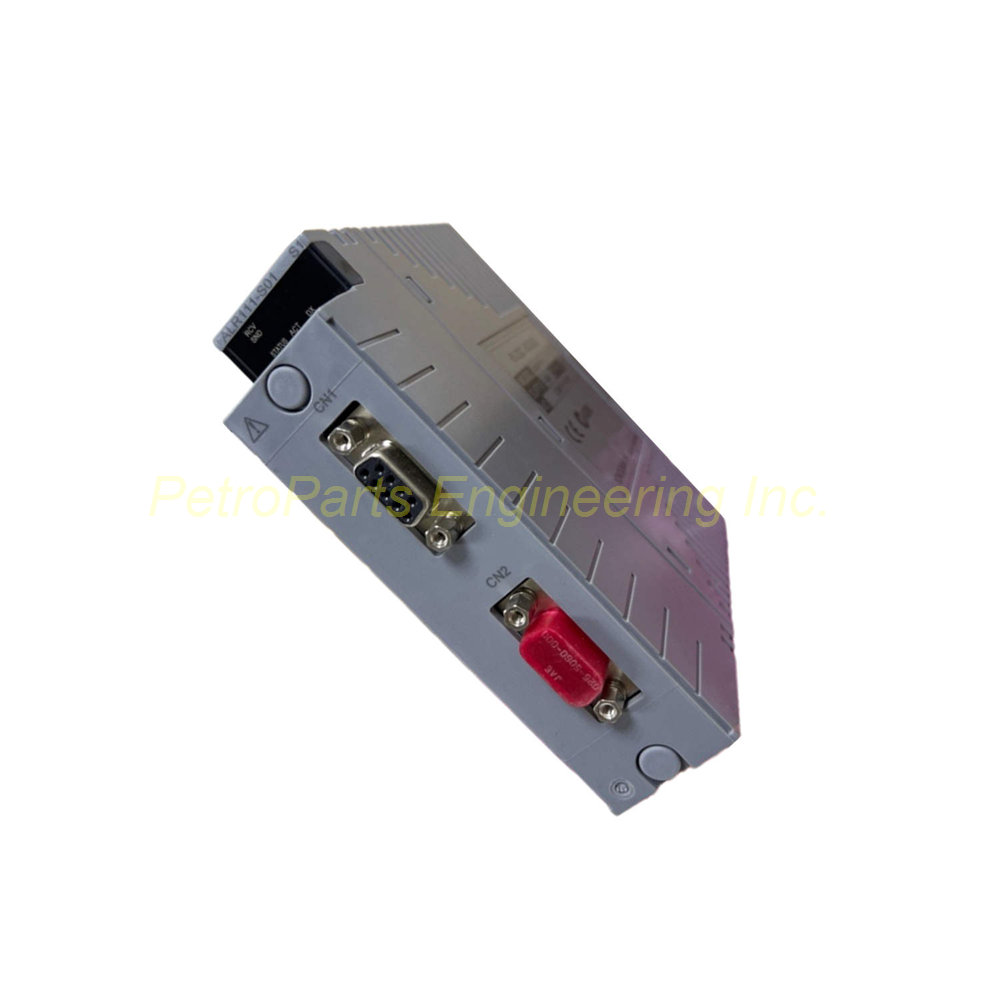
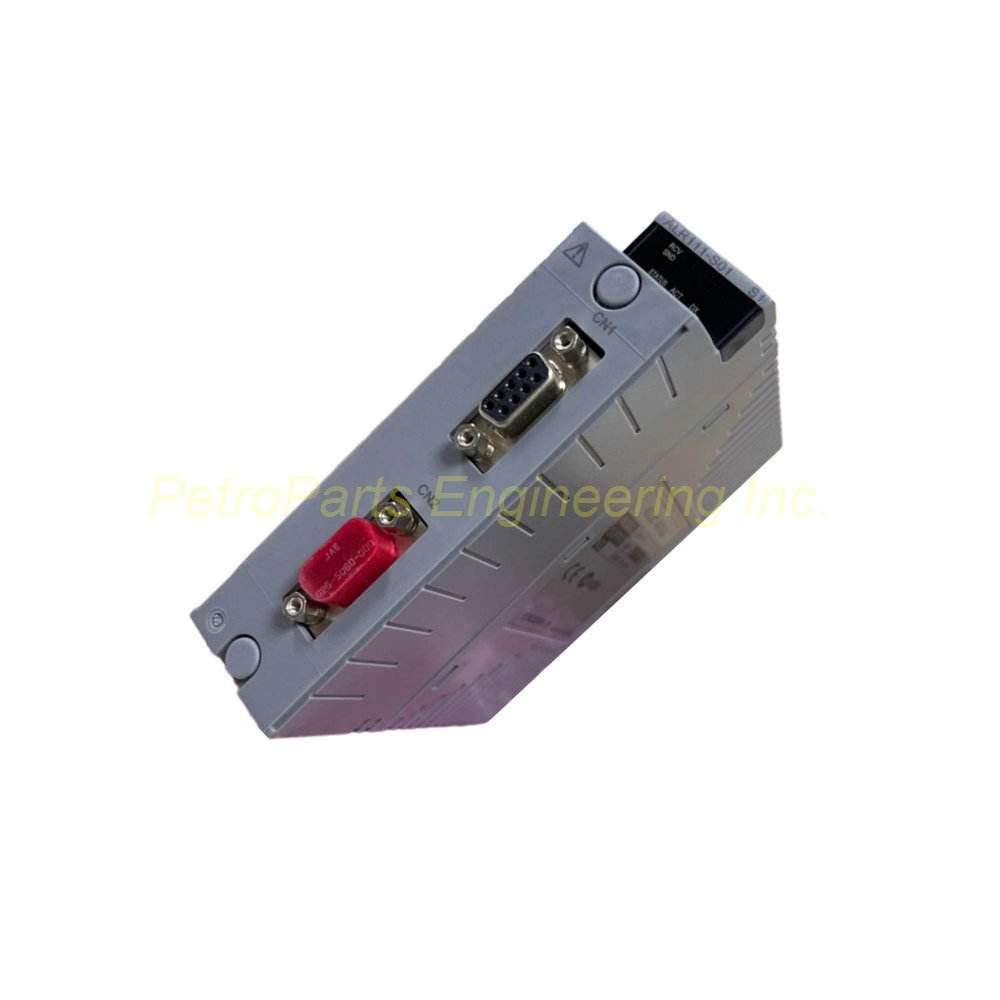
This Yokogawa ALR111-S01 is a serial communication module with RS-232C interface. Features dual D-sub 9-pin ports, Modbus slave, and ISA G3.
 Customer Reviews
UBEST Automation – Trusted Global Automation Parts Supplier
We offer a wide range of in-stock industrial automation spare parts. All products come with a 12-month warranty and a 30-day refund for quality issues.
Product Attributes:
Notice: For real-time prices and inventory, please click the button below to contact us.
Product Overview
The Yokogawa ALR111-S01 is a serial communication module for point-to-point connections. This module uses an RS-232C interface for reliable data exchange. The communication function operates in half-duplex mode for bidirectional transfer. Synchronization follows start-stop timing with binary transmission code. The ALR111-S01 mounts on SSC60, SSC50, SSC57, SSC10, or SNB10D bases. Connection to I/O wiring uses AKB131, AKB132, AKB135, or AKB136 cables. Two D-sub 9-pin (female) ports provide dual communication channels. However, both ports must use identical communication functions simultaneously. The module supports Modbus slave and subsystem communication functions.
Technical Specifications
General Specifications
| Parameter | Value |
|---|---|
| Manufacturer | Yokogawa |
| Model | ALR111 |
| Product Type | Serial Communication Module |
| Complete Model | ALR111-S01 |
| Suffix Code -S | Standard type |
| Suffix Code 0 | With no explosion protection |
| Suffix Code 1 | With ISA Standard G3 |
| Weight | Approx. 0.3 kg |
| Current Consumption | 0.5 A |
Interface Specifications
| Parameter | Value |
|---|---|
| Interface | RS-232C |
| Connection Method | Point-to-point |
| Communication Function | Half-duplex |
| Synchronization Method | Start-stop synchronization |
| Transmission Speed | 1200 / 2400 / 4800 / 9600 / 19200 / 38400 bps |
| Transmission Code | Binary |
| Character Length | 8 bits (Fixed to 8 bits on Modbus slave and subsystem communication) |
| Stop Bit Length | 1/2 bits (Fixed to 1 bit on subsystem communication) |
| Parity Check | None / even / odd |
| Lag Time After Data Transmission | 1 ms |
| Transmission Distance | Maximum 15 m |
Physical & Installation Specifications
| Parameter | Value |
|---|---|
| Installation Method | Mounted on SSC60, SSC50, SSC57, SSC10, or SNB10D |
| I/O Wiring | AKB131, AKB132, AKB135, AKB136 cables, etc. |
| Wiring Connection | D-sub 9-pin (female × 2 ports) |
| Communication Function | Modbus slave communication function, subsystem communication function |
RS-232C Interface & Connection Method
The ALR111-S01 implements the RS-232C serial interface standard. This interface supports point-to-point connections between two devices only. Half-duplex communication allows data transmission in both directions but not simultaneously. For many industrial applications, half-duplex suffices for command-response protocols. Consequently, the Yokogawa ALR111-S01 connects to PLCs, drives, and operator interfaces reliably.
Transmission Speed & Distance
Transmission speed ranges from 1200 bps up to 38400 bps for flexible configuration. Available speeds include 1200, 2400, 4800, 9600, 19200, and 38400 bps. Maximum transmission distance reaches 15 meters for reliable RS-232C communication. For longer distances, signal degradation may occur without line drivers. Therefore, keep the ALR111-S01 within 15 meters of connected devices.
Communication Parameters
Character length is fixed at 8 bits for normal operation. On Modbus slave and subsystem communication functions, the length remains 8 bits. Stop bit length offers choices of 1 or 2 bits for flexibility. However, on subsystem communication function, stop bits fix to 1 bit. Parity check options include none, even, or odd for error detection. Lag time after data transmission measures only 1 ms for fast response. Consequently, the Yokogawa ALR111-S01 adapts to various device communication requirements.
Dual Port Configuration
Two D-sub 9-pin (female) ports provide dual communication channels on this module. Each port supports the same physical interface specifications. However, both ports must run identical communication functions simultaneously. For example, you cannot run Modbus slave on one port and subsystem communication on the other. Therefore, plan your application accordingly when using the ALR111-S01.
Modbus Slave Communication Function
The ALR111-S01 supports Modbus slave communication for integration with Modbus networks. This function allows the Yokogawa system to respond to Modbus master requests. Typical applications include connecting to SCADA systems or third-party HMIs. The Modbus slave function uses standard RTU protocol over RS-232C. Consequently, the Yokogawa ALR111-S01 provides open connectivity for system integration.
Subsystem Communication Function
Subsystem communication function enables connection to Yokogawa subsystems and peripherals. This function uses fixed 8-bit character length and 1-bit stop length. For proprietary Yokogawa devices, this function ensures compatibility. The ALR111-S01 with subsystem communication integrates seamlessly into Yokogawa ecosystems.
ISA Standard G3 Compliance (Suffix 1)
Suffix code 1 includes ISA Standard G3 compliance for corrosion resistance. G3 standards protect the module from airborne contaminants like sulfur and chlorine. For chemical plants, refineries, and wastewater facilities, this compliance proves essential. The ALR111-S01 with G3 option resists corrosion damage in aggressive industrial atmospheres. Therefore, long-term reliability improves significantly in harsh locations.
Compatible Installation Bases
The ALR111-S01 mounts on several Yokogawa base models for installation. Compatible bases include SSC60, SSC50, SSC57, SSC10, and SNB10D. The SNB10D connects to SSC60, SSC50, SSC57, or SSC10 via ESB bus. Choose the appropriate base for your specific rack configuration. The Yokogawa ALR111-S01 integrates seamlessly with these compatible bases.
Current Consumption & Weight
Current consumption measures 0.5 A for normal operation of this module. Low power draw reduces load on the system power supply. Weight reaches approximately 0.3 kg for lightweight mounting. Multiple ALR111-S01 modules can operate from the same power source without overloading. For energy-efficient control cabinets, this low consumption proves beneficial.
Installation Guidelines
Follow these steps for proper installation of the ALR111-S01.
Power down the control system completely before inserting the module.
Select an appropriate base (SSC60, SSC50, SSC57, SSC10, or SNB10D).
Mount the ALR111-S01 firmly onto the base until fully seated.
Secure the module using the retaining screws at top and bottom.
Connect RS-232C cables to the D-sub 9-pin (female) ports.
Verify both ports use identical communication functions before operation.
Configure transmission speed between 1200 and 38400 bps as needed.
Set parity and stop bits according to connected device requirements.
Power up the system and test communication on both ports.
Note: The ALR111-S01 with suffix code 0 provides no explosion protection. For hazardous areas, select an appropriate explosion-protected model instead. Both ports must run identical communication functions simultaneously. Maximum transmission distance is 15 meters. Use AKB131, AKB132, AKB135, or AKB136 cables for I/O wiring.
Packaging List
One Yokogawa ALR111-S01 Serial Communication Module
One product documentation manual
One anti-static protective bag
Common FAQs
1. What interfaces does the ALR111-S01 support?
This module uses the RS-232C serial interface standard. Connection method is point-to-point between two devices only. Communication operates in half-duplex mode for bidirectional transfer. For many industrial applications, the Yokogawa ALR111-S01 connects reliably to PLCs, drives, and operator interfaces.
2. What transmission speeds are available on the ALR111-S01?
Transmission speed ranges from 1200 bps up to 38400 bps. Available speeds include 1200, 2400, 4800, 9600, 19200, and 38400 bps. Maximum transmission distance reaches 15 meters for reliable RS-232C communication. Therefore, keep the ALR111-S01 within 15 meters of connected devices for error-free operation.
3. Can I run different communication functions on the two ports of the ALR111-S01?
No, both ports must use identical communication functions simultaneously. For example, you cannot run Modbus slave on one port and subsystem communication on the other. Plan your application accordingly when using the Yokogawa ALR111-S01. This limitation ensures consistent operation across both channels.
4. What does suffix code 1 provide on the ALR111-S01?
Suffix code 1 includes ISA Standard G3 compliance for corrosion resistance. G3 standards protect the module from airborne contaminants like sulfur and chlorine compounds. For chemical plants and refineries, this compliance proves essential. The Yokogawa ALR111-S01 with G3 option resists corrosion damage in aggressive industrial atmospheres.
5. What cables connect the ALR111-S01 to I/O wiring?
Connection uses AKB131, AKB132, AKB135, or AKB136 cables for reliable signal transmission. Always use these specified cables for proper system integration. The ALR111-S01 connects to field devices via these dedicated cables. Consequently, signal integrity remains high and installation errors reduce significantly.