
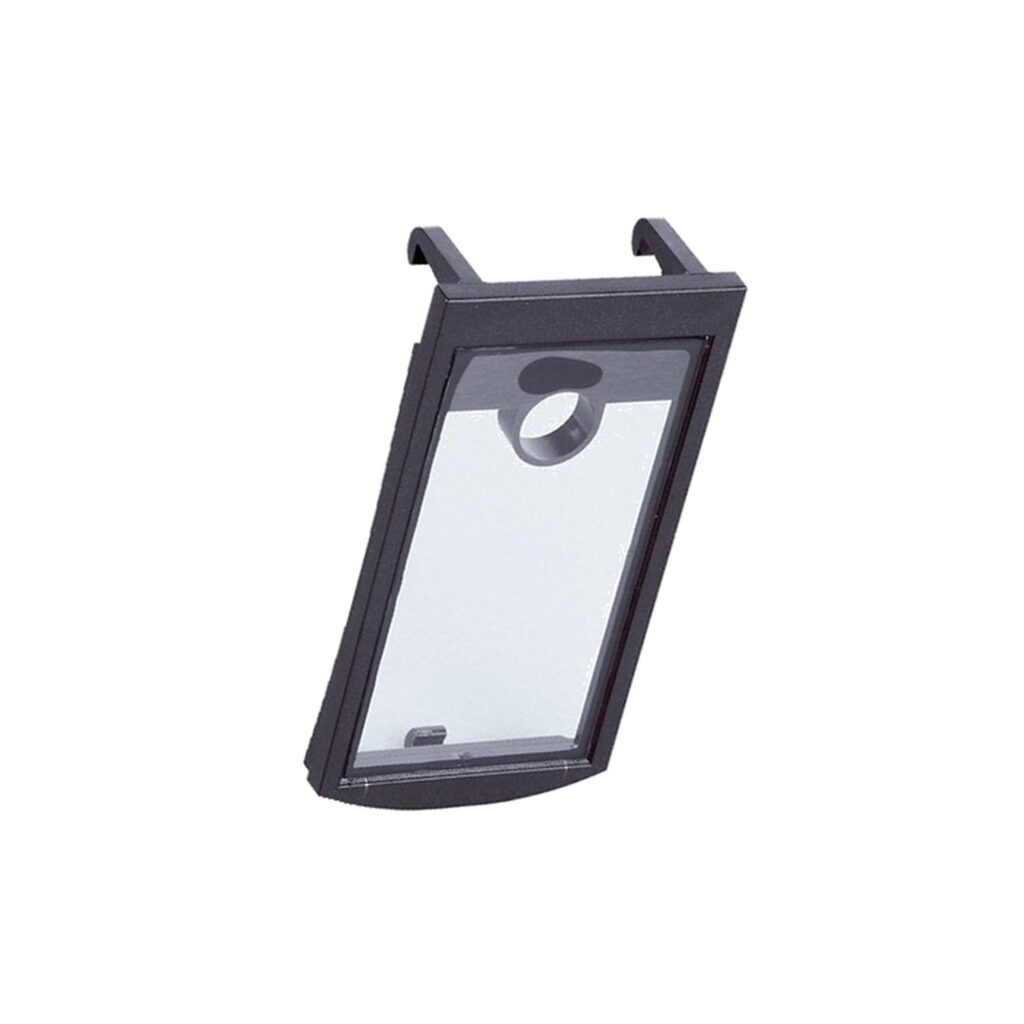
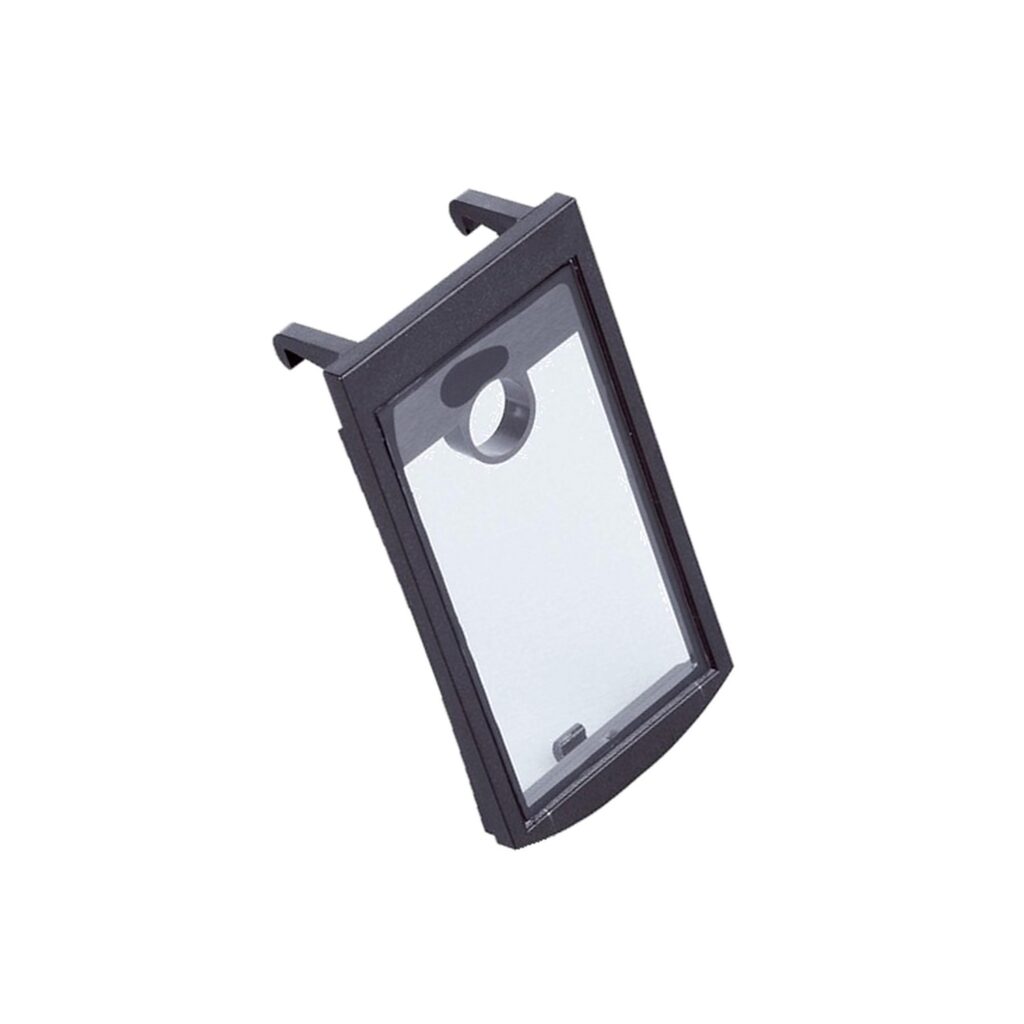
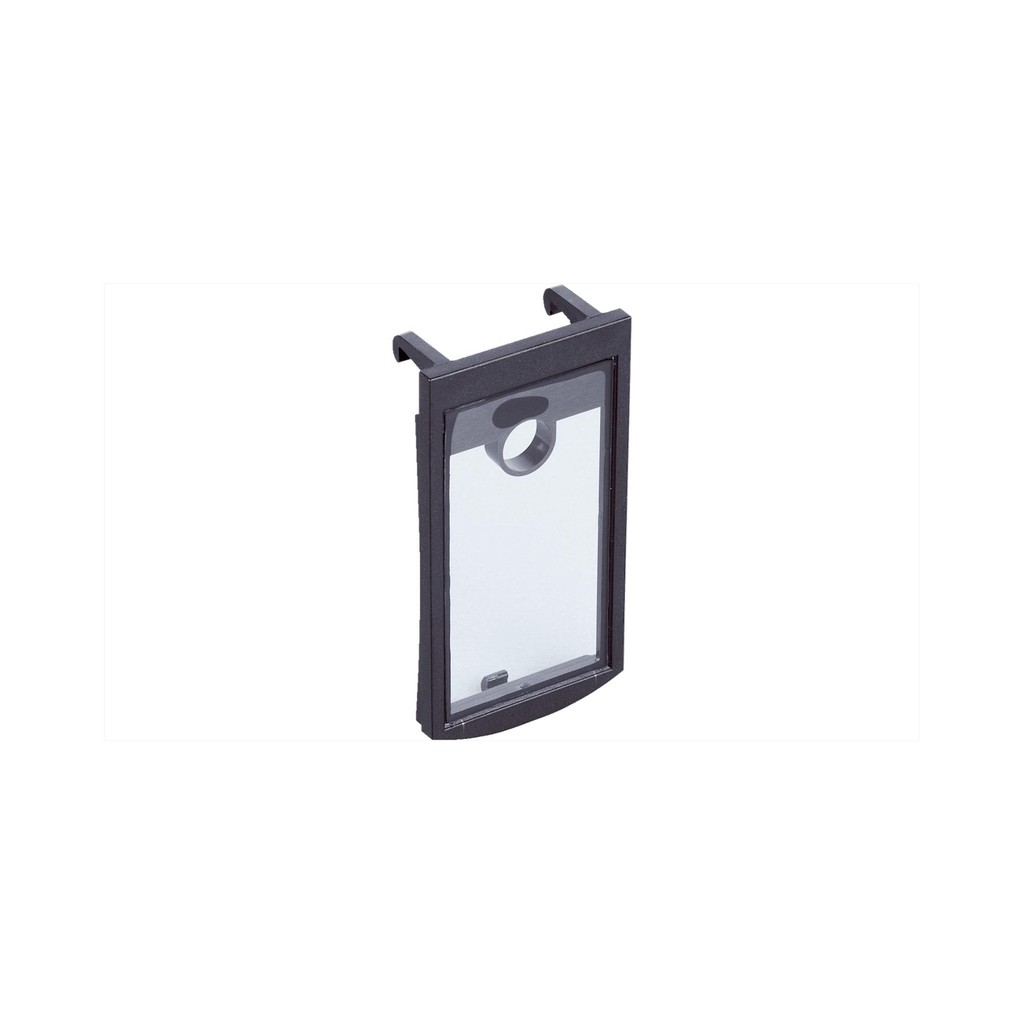
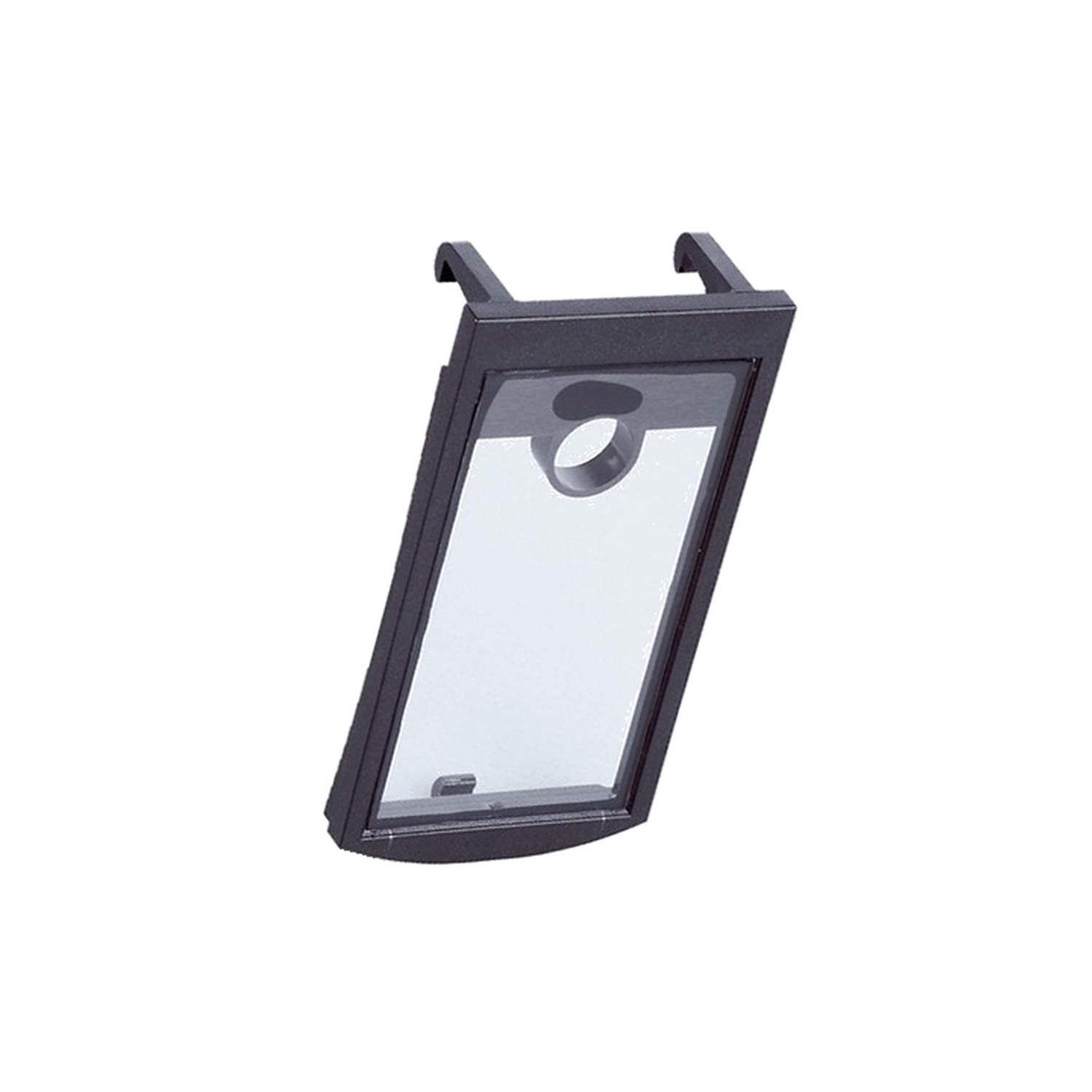
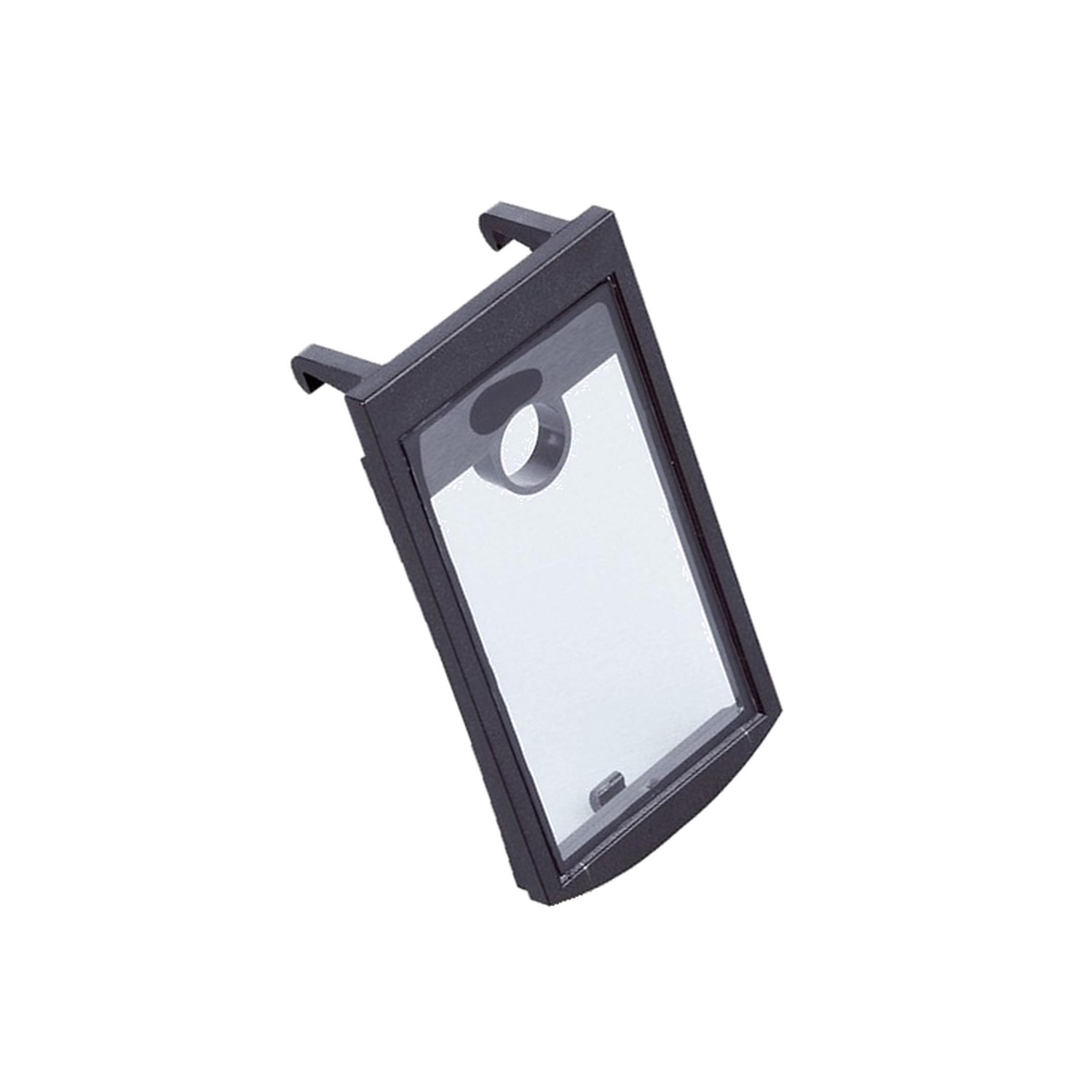
KUP-1010-F | SICK 10 mm/10 mm Shaft Coupling
Introduction:
The SICK KUP-1010-F is a spring washer shaft coupling with 10 mm bores, 0.6 N·m torque capacity, and 12,000 rpm maximum speed for encoder mounting.
 Customer Reviews
UBEST Automation – Trusted Global Automation Parts Supplier
We offer a wide range of in-stock industrial automation spare parts. All products come with a 12-month warranty and a 30-day refund for quality issues.
Product Attributes:
Notice: For real-time prices and inventory, please click the button below to contact us.
How Do You Protect Encoder Bearings From Shaft Misalignment?
Misalignment between an encoder shaft and a drive shaft is a common cause of premature bearing wear and signal errors in oil and gas machinery. The SICK KUP-1010-F answers this challenge as a spring washer (membrane) shaft coupling with 10 mm bores on both the encoder side (D1) and drive side (D2). It is part of the SICK shaft adaptation (couplings) series, engineered for demanding environments where dependable feedback matters.
Key Features and Technical Specifications of the KUP-1010-F
This unit combines a lightweight aluminum flange with a glass-fiber-reinforced polyamide membrane and a hardened steel coupling pin. This construction balances torsional rigidity with the flexibility needed to absorb shaft misalignment. The following parameters define its performance envelope:
- Bore diameter (encoder side, D1): 10 mm
- Bore diameter (drive side, D2): 10 mm
- Coupling type: Spring washer coupling
- Material: Aluminum flange, glass-fiber-reinforced polyamide membrane, hardened steel coupling pin
- Nominal torque / Torque capacity: 0.6 N·m maximum (60 Ncm per datasheet)
- Torsion spring stiffness: 30 N·m/rad
- Max. speed: 12,000 rpm maximum
- Axial offset compensation: max. axial shaft offset ± 0.4 mm
- Radial offset compensation: max. radial offset ± 0.3 mm
- Angular offset compensation: max. angular offset ± 2.5°
- Overall length: 30 mm
Notably, the 0.6 N·m torque capacity and 30 N·m/rad stiffness suit the low-torque, high-precision demands of encoder feedback. Meanwhile, the 12,000 rpm maximum speed supports high-speed rotating equipment. For parameters not stated in the extracted datasheet, such as operating temperature, weight, outer diameter, mass moment of inertia, and clamping screw details, refer to the official SICK datasheet.
Why Is This unit Suited to Mission-Critical Oil and Gas Applications?
Oil and gas operations demand rugged, field-proven components that tolerate vibration, temperature swings, and continuous duty. This unit addresses these conditions through its material selection and compensation capabilities. The glass-fiber-reinforced polyamide membrane resists fatigue, while the hardened steel coupling pin maintains torque transmission under repeated cycling. Consequently, the coupling helps protect encoder bearings from radial and angular loads that would otherwise shorten service life.
In a typical pump or compressor skid, an encoder mounts to the drive shaft via a coupling like This unit. The ±0.3 mm radial and ±2.5° angular compensation accommodate minor installation misalignment without transferring stress to the encoder shaft. This reduces the risk of signal loss and unplanned downtime, which is critical in remote wellhead or pipeline stations. For applications requiring servo motor replacement or VFD replacement, maintaining accurate feedback is essential; This unit supports that goal by providing a reliable mechanical interface.
Installation and Setup Guidance
Proper installation extends coupling life and preserves encoder accuracy. Begin by verifying that both shafts have 10 mm diameters and that the keyways or clamping features match the coupling bores. Align the shafts as closely as possible before tightening, since the coupling compensates for residual offset but not gross misalignment. Slide the coupling onto the shafts and secure it according to the encoder manufacturer's instructions. Avoid excessive axial force during assembly, as the membrane can be damaged by shock loads. After installation, rotate the assembly by hand to confirm free movement and check for any binding.
Maintenance and Reliability Practices
Routine inspection helps detect wear before it affects encoder performance. Check the coupling for signs of membrane cracking, pin wear, or loosening at scheduled maintenance intervals. In high-vibration environments, inspect more frequently and verify that fasteners remain tight. Because the operating temperature is not specified in the extracted datasheet, confirm the ambient conditions with SICK documentation before deploying in extreme-temperature zones. Replacing a worn coupling promptly prevents secondary damage to encoder bearings and avoids costly unplanned outages.
Compatibility and Integration Notes
This unit is designed for encoders with 10 mm shafts and drive shafts of the same diameter. It serves as a mechanical interface between the encoder and the rotating equipment. When integrating with VFD-driven systems or servo motor replacement projects, ensure that the coupling's torque and speed ratings align with the application. If the encoder connects to a fieldbus network, wiring may require an external gateway or connection module; confirm cable and gateway compatibility with PetroPartsOnline before installation.
Frequently Asked Questions
What is the maximum speed of the SICK unit?
The SICK unit supports a maximum speed of 12,000 rpm, making it suitable for high-speed encoder feedback applications.
Can This unit compensate for shaft misalignment?
Yes, it compensates for axial offset up to ±0.4 mm, radial offset up to ±0.3 mm, and angular offset up to ±2.5°.
What is the torque capacity of this coupling?
The nominal torque capacity is 0.6 N·m maximum (60 Ncm per datasheet), with a torsion spring stiffness of 30 N·m/rad.
Is This unit suitable for servo motor replacement projects?
It can serve as a mechanical interface in servo motor replacement when the shaft diameters and torque requirements match. Contact PetroPartsOnline for application-specific selection guidance.
What is the operating temperature range of This unit?
The operating temperature is not stated in the extracted datasheet. Refer to official SICK documentation or contact PetroPartsOnline for verified data.
For parts suited to your application's requirements, contact PetroPartsOnline. Please verify current lifecycle status and availability with PetroPartsOnline before ordering.
{"@context": "https://schema.org", "@graph": [{"@type": "Product", "name": "KUP-1010-F | SICK 10 mm/10 mm Shaft Coupling", "mpn": "KUP-1010-F", "sku": "KUP-1010-F", "brand": {"@type": "Brand", "name": "SICK"}, "description": "How Do You Protect Encoder Bearings From Shaft Misalignment? Misalignment between an encoder shaft and a drive shaft is a common cause of premature bearing wear and signal errors in oil and gas machinery. The SICK KUP-1010-F answers this challenge as a spring washer (membrane) shaft coupling with 10 mm bores on both the encoder side (D1) and drive side (D2). It is part of the SICK shaft adaptation (couplings) series, engineered for demanding environments where dependable feedback matters. Key Fe", "image": ["https://www.petropartsonline.com/wp-content/uploads/2026/10/1793131088-api_image__fpe7c50288.jpg", "https://www.petropartsonline.com/wp-content/uploads/2026/10/1793131095-api_image__fpf74bb593.jpg", "https://www.petropartsonline.com/wp-content/uploads/2026/10/1793131102-api_image__fp9513e02a.jpg"]}, {"@type": "FAQPage", "mainEntity": [{"@type": "Question", "name": "How Do You Protect Encoder Bearings From Shaft Misalignment?", "acceptedAnswer": {"@type": "Answer", "text": "Misalignment between an encoder shaft and a drive shaft is a common cause of premature bearing wear and signal errors in oil and gas machinery. The SICK KUP-1010-F answers this challenge as a spring washer (membrane) shaft coupling with 10 mm bores on both the encoder side (D1) and drive side (D2). It is part of the SICK shaft adaptation (couplings) series, engineered for demanding environments where dependable feedback matters."}}, {"@type": "Question", "name": "Why Is This unit Suited to Mission-Critical Oil and Gas Applications?", "acceptedAnswer": {"@type": "Answer", "text": "Oil and gas operations demand rugged, field-proven components that tolerate vibration, temperature swings, and continuous duty. This unit addresses these conditions through its material selection and compensation capabilities. The glass-fiber-reinforced polyamide membrane resists fatigue, while the hardened steel coupling pin maintains torque transmission under repeated cycling. Consequently, the coupling helps protect encoder bearings from radial and angular loads that would otherwise shorten service life. In a typical pump or compressor skid, an encoder mounts to the drive shaft via a coupling like This unit. The ±0.3 mm radial and ±2.5° angular compensation accommodate minor installation misalignment without transferring stress to the encoder shaft. This reduces the risk of signal loss and unplanned downtime, which is critical in remote wellhead or pipeline stations. For applications requiring servo motor replacement or VFD replacement, maintaining accurate feedback is essential; This unit supports that goal by providing a reliable mechanical interface."}}, {"@type": "Question", "name": "What is the maximum speed of the SICK unit?", "acceptedAnswer": {"@type": "Answer", "text": "The SICK unit supports a maximum speed of 12,000 rpm, making it suitable for high-speed encoder feedback applications."}}, {"@type": "Question", "name": "Can This unit compensate for shaft misalignment?", "acceptedAnswer": {"@type": "Answer", "text": "Yes, it compensates for axial offset up to ±0.4 mm, radial offset up to ±0.3 mm, and angular offset up to ±2.5°."}}, {"@type": "Question", "name": "What is the torque capacity of this coupling?", "acceptedAnswer": {"@type": "Answer", "text": "The nominal torque capacity is 0.6 N·m maximum (60 Ncm per datasheet), with a torsion spring stiffness of 30 N·m/rad."}}, {"@type": "Question", "name": "Is This unit suitable for servo motor replacement projects?", "acceptedAnswer": {"@type": "Answer", "text": "It can serve as a mechanical interface in servo motor replacement when the shaft diameters and torque requirements match. Contact PetroPartsOnline for application-specific selection guidance."}}, {"@type": "Question", "name": "What is the operating temperature range of This unit?", "acceptedAnswer": {"@type": "Answer", "text": "The operating temperature is not stated in the extracted datasheet. Refer to official SICK documentation or contact PetroPartsOnline for verified data. For parts suited to your application's requirements, contact PetroPartsOnline. Please verify current lifecycle status and availability with PetroPartsOnline before ordering."}}]}]}