
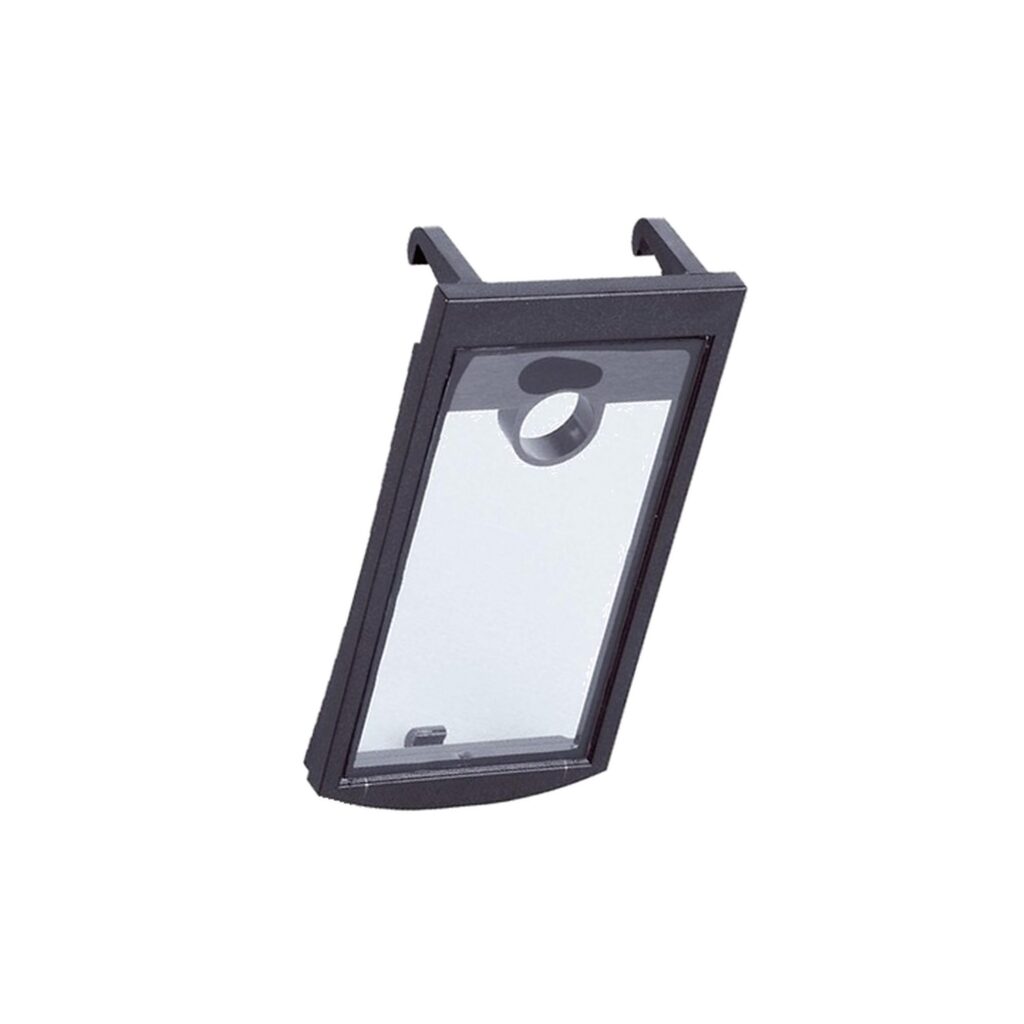
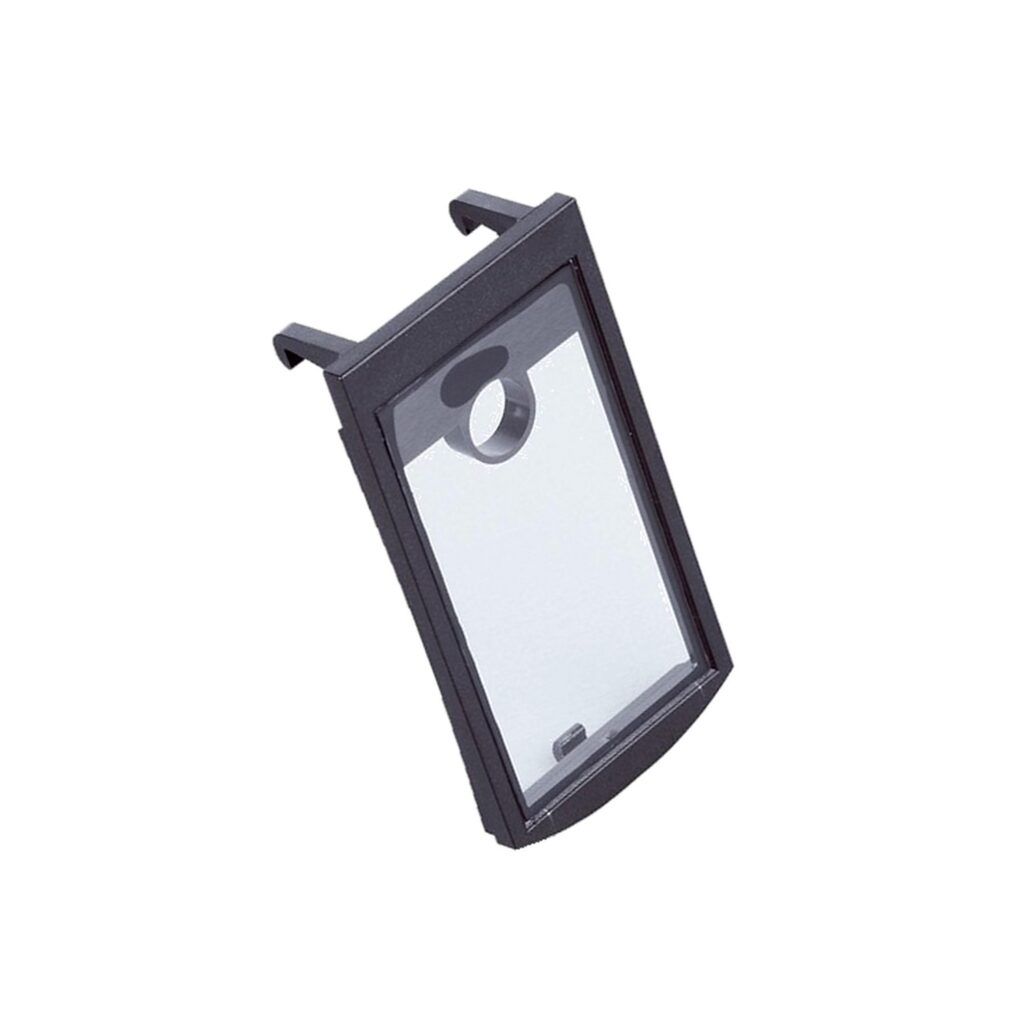
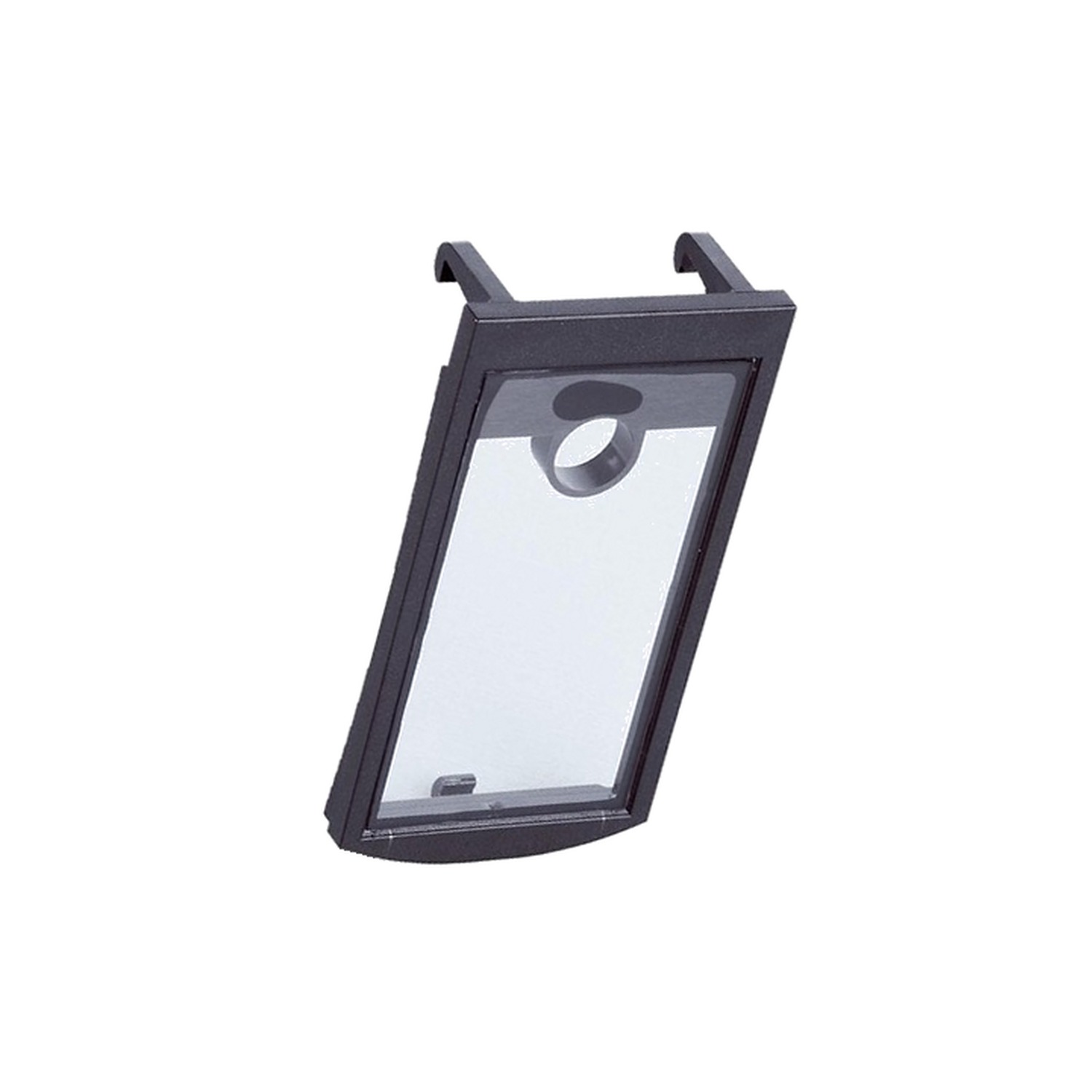
KUP-0810-J | SICK 8/10 mm Claw Coupling Encoder
Introduction:
SICK KUP-0810-J claw coupling with 8 mm and 10 mm bores, 8 N·m torque capacity, and –30 °C to +80 °C range for encoder shaft adaptation.
 Customer Reviews
UBEST Automation – Trusted Global Automation Parts Supplier
We offer a wide range of in-stock industrial automation spare parts. All products come with a 12-month warranty and a 30-day refund for quality issues.
Product Attributes:
Notice: For real-time prices and inventory, please click the button below to contact us.
What the SICK KUP-0810-J Claw Coupling Does
The SICK KUP-0810-J is a claw (jaw) shaft coupling with an aluminum flange and a blue polyurethane damping element. It adapts an 8 mm encoder shaft to a 10 mm drive shaft. The coupling handles up to 8 N·m of torque and speeds to 19,000 rpm. In oil and gas duty, this coupling absorbs misalignment before it reaches the encoder bearing. That protection keeps feedback signals stable on mission-critical machinery.
This unit belongs to the SICK shaft adaptation (couplings) series. It is a field-proven mechanical interface for rotary encoders. The design targets rugged environments where vibration and temperature swings are routine. Reliability you can depend on starts at the shaft connection.
Key Features and Technical Specifications
- Coupling type: Claw coupling with a polyurethane damping element rated 80 Shore, blue.
- Bore diameter (encoder side, D1): 8 mm.
- Bore diameter (drive side, D2): 10 mm.
- Material: Aluminum flange with a polyurethane damping element.
- Nominal torque: 8 N·m maximum (800 Ncm per datasheet).
- Max. speed: 19,000 rpm maximum; max. angle of twist 10°.
- Operating temperature: –30 °C to +80 °C per datasheet.
- Axial offset compensation: max. ± 1 mm.
- Radial/angular offset compensation: max. radial ± 0.22 mm; max. angular ± 1.3°.
- Fastening: Socket set screws per ISO 4029; tightening torque 150 Ncm maximum.
- Dimensions: 28.5 mm overall length (J family); outer diameter not available in datasheet.
The polyurethane element is the standout feature. Its 80 Shore hardness damps shock loads while the claw geometry keeps the drive positive. That combination protects the encoder from the vibration common on pumps, compressors, and valve actuators. The 8 N·m torque ceiling suits small-to-medium encoder shafts. The 19,000 rpm limit covers most high-speed rotating equipment found in gas processing and pipeline service.
How This unit Handles Misalignment
Shaft misalignment is a leading cause of premature encoder failure. This unit addresses this with defined compensation limits. It accepts up to ± 1 mm of axial offset, ± 0.22 mm of radial offset, and ± 1.3° of angular offset. These values let maintenance teams align a drive train without precision shimming at every coupling. Instead, the coupling flexes within its rated envelope. The result is less stress on encoder bearings and fewer unplanned stops. For a vfd replacement project, this coupling can bridge small shaft differences between the motor and the feedback device. It keeps the position loop stable while the drive ramps and reverses.
Where the SICK unit Is Used
Oil and gas operations rely on encoders for speed and position feedback. This unit connects those encoders to rotating shafts in several settings. On pump skids, it links the encoder to the pump shaft for flow verification. On compressor trains, it absorbs vibration that would otherwise reach the feedback device. Valve actuators use it to translate shaft rotation into precise position data. Pipeline pigging and metering systems also benefit from the damping element. Because the coupling operates from –30 °C to +80 °C, it suits outdoor installations in cold climates and hot process areas alike. Each application benefits from the same principle: isolate the encoder from mechanical shock.
Installation and Fastening Guidance
Correct installation protects both the coupling and the encoder. First, verify that the shaft diameters match the 8 mm encoder-side bore and the 10 mm drive-side bore. Then slide the coupling onto both shafts without forcing it. The socket set screws per ISO 4029 secure the hubs. Tighten these screws to a maximum of 150 Ncm. Over-tightening can distort the aluminum flange or crush the polyurethane element. After fastening, check the shaft offset against the rated limits: ± 1 mm axial, ± 0.22 mm radial, and ± 1.3° angular. A dial indicator or feeler gauge confirms the alignment. Finally, rotate the assembly by hand to confirm free movement before powering the drive. These steps are general guidance; always follow the manufacturer's installation instructions.
Maintenance and Reliability in Harsh Conditions
The polyurethane damping element is the primary wear point. Inspect it periodically for cracks, discoloration, or loss of elasticity. Blue polyurethane at 80 Shore resists oils and many industrial chemicals, but prolonged exposure to harsh solvents can degrade it. Check the socket set screws for tightness during each inspection. Vibration can loosen fasteners over time. Also verify that shaft offsets remain within the rated limits after any maintenance that moves the motor or encoder. Because the coupling is a sacrificial part, replacing it before failure protects the more expensive encoder. In critical operations, keeping a spare unit on hand reduces downtime risk. The operating temperature range of –30 °C to +80 °C covers most field conditions, but verify local extremes against the datasheet.
Compatibility and Sourcing
This unit is a mechanical accessory for SICK encoders with an 8 mm shaft. It fits drive shafts with a 10 mm diameter. The coupling does not involve fieldbus protocols or electrical connections. Therefore, integration depends only on shaft dimensions and torque requirements. For vfd replacement work, confirm that the new motor shaft matches the 10 mm bore and that the encoder shaft is 8 mm. If either dimension differs, a different coupling model is required. PetroPartsOnline provides application-specific selection guidance to match the coupling to your encoder and drive. Contact PetroPartsOnline for parts suited to your application's requirements.
Frequently Asked Questions
What is the operating temperature range of the SICK unit?
The SICK unit operates from –30 °C to +80 °C per datasheet. This range covers most outdoor and process-area installations in oil and gas service.
Can This unit be used in a vfd replacement project?
Yes, This unit can serve in a vfd replacement when the encoder shaft is 8 mm and the motor shaft is 10 mm. Verify the torque load stays below 8 N·m and the speed below 19,000 rpm.
What is the maximum torque for this coupling?
The SICK unit has a nominal torque capacity of 8 N·m maximum, which equals 800 Ncm per datasheet.
How much misalignment can the coupling compensate?
The coupling accepts up to ± 1 mm axial offset, ± 0.22 mm radial offset, and ± 1.3° angular offset. Keep alignment within these limits to avoid premature wear.
What tightening torque should be used on the set screws?
Tighten the socket set screws per ISO 4029 to a maximum of 150 Ncm. Exceeding this value can damage the aluminum flange or the damping element.
Please verify current lifecycle status and availability with PetroPartsOnline before ordering.
{"@context": "https://schema.org", "@graph": [{"@type": "Product", "name": "KUP-0810-J | SICK 8/10 mm Claw Coupling Encoder", "mpn": "KUP-0810-J", "sku": "KUP-0810-J", "brand": {"@type": "Brand", "name": "SICK"}, "description": "What the SICK KUP-0810-J Claw Coupling Does The SICK KUP-0810-J is a claw (jaw) shaft coupling with an aluminum flange and a blue polyurethane damping element. It adapts an 8 mm encoder shaft to a 10 mm drive shaft. The coupling handles up to 8 N·m of torque and speeds to 19,000 rpm. In oil and gas duty, this coupling absorbs misalignment before it reaches the encoder bearing. That protection keeps feedback signals stable on mission-critical machinery. This unit belongs to the SICK shaft adaptat", "image": ["https://www.petropartsonline.com/wp-content/uploads/2026/10/1793130519-api_image__fp5b784688.jpg", "https://www.petropartsonline.com/wp-content/uploads/2026/10/1793130527-api_image__fp796dadeb.jpg", "https://www.petropartsonline.com/wp-content/uploads/2026/10/1793130534-api_image__fpa1ab5959.jpg"]}, {"@type": "FAQPage", "mainEntity": [{"@type": "Question", "name": "What is the operating temperature range of the SICK unit?", "acceptedAnswer": {"@type": "Answer", "text": "The SICK unit operates from –30 °C to +80 °C per datasheet. This range covers most outdoor and process-area installations in oil and gas service."}}, {"@type": "Question", "name": "Can This unit be used in a vfd replacement project?", "acceptedAnswer": {"@type": "Answer", "text": "Yes, This unit can serve in a vfd replacement when the encoder shaft is 8 mm and the motor shaft is 10 mm. Verify the torque load stays below 8 N·m and the speed below 19,000 rpm."}}, {"@type": "Question", "name": "What is the maximum torque for this coupling?", "acceptedAnswer": {"@type": "Answer", "text": "The SICK unit has a nominal torque capacity of 8 N·m maximum, which equals 800 Ncm per datasheet."}}, {"@type": "Question", "name": "How much misalignment can the coupling compensate?", "acceptedAnswer": {"@type": "Answer", "text": "The coupling accepts up to ± 1 mm axial offset, ± 0.22 mm radial offset, and ± 1.3° angular offset. Keep alignment within these limits to avoid premature wear."}}, {"@type": "Question", "name": "What tightening torque should be used on the set screws?", "acceptedAnswer": {"@type": "Answer", "text": "Tighten the socket set screws per ISO 4029 to a maximum of 150 Ncm. Exceeding this value can damage the aluminum flange or the damping element. Please verify current lifecycle status and availability with PetroPartsOnline before ordering."}}]}]}