
Schneider 170XTS00701 Busbar Connector Modicon Momentum
Introduction:
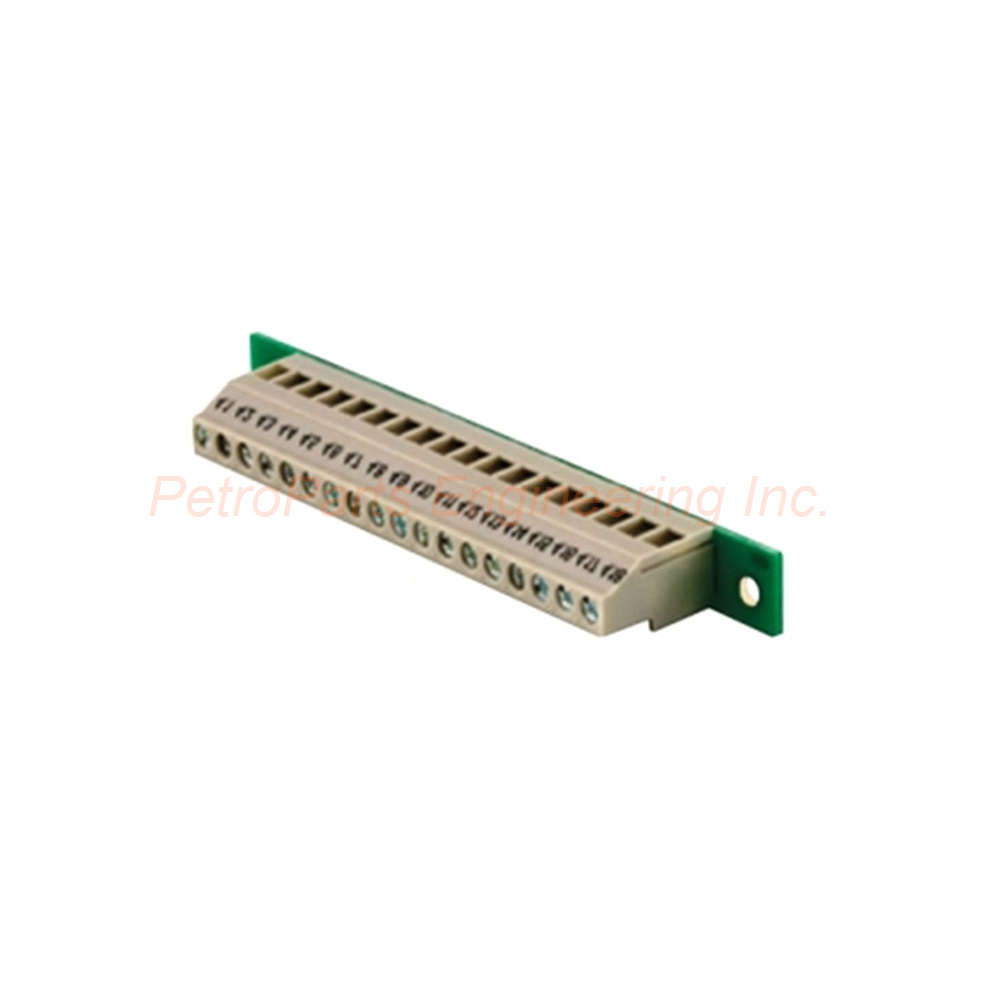
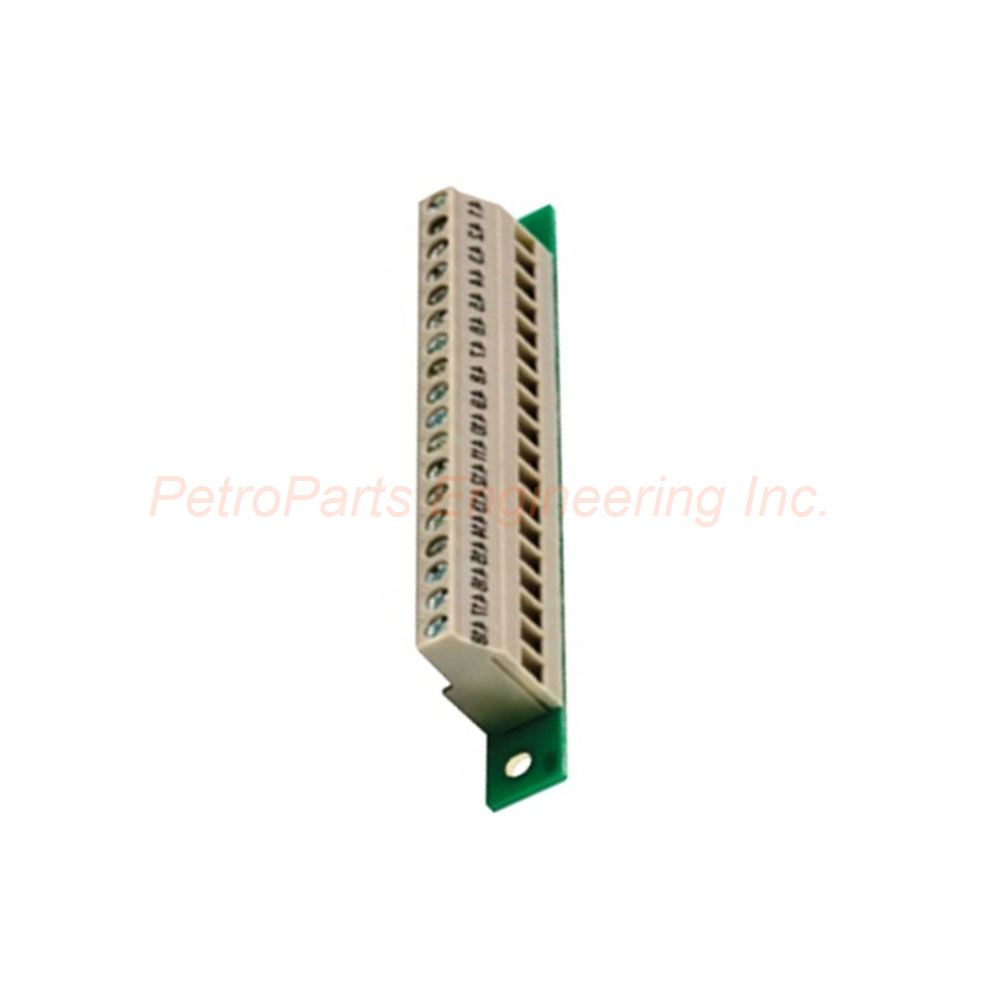
The Schneider Electric 170XTS00701 is a 1-row busbar connector for the Modicon Momentum series. It facilitates integration between discrete and analog I/O bases. This component ensures effective electrical connections with spring-type terminals.
 Customer Reviews
UBEST Automation – Trusted Global Automation Parts Supplier
We offer a wide range of in-stock industrial automation spare parts. All products come with a 12-month warranty and a 30-day refund for quality issues.
Product Attributes:
Notice: For real-time prices and inventory, please click the button below to contact us.
Product Overview
The Schneider Electric 170XTS00701 belongs to the Modicon Momentum product line. It is a dedicated busbar connector for I/O base integration. This component enables seamless electrical connections between multiple I/O modules. The device uses a single horizontal row configuration for space optimization.
Common applications for the 170XTS00701 include factory automation systems and process control panels. It connects discrete input modules to analog output bases. The connector works with any Modicon Momentum I/O base requiring busbar extension.
Technical Specifications
The Schneider Electric 170XTS00701 features spring-type terminals for secure wiring. These terminals provide vibration-resistant connections in industrial environments. The connector uses high-conductivity metal for low-resistance power transfer. Its plug-in design makes installation straightforward and efficient.
Key Electrical and Mechanical Parameters
Terminal design: Spring-type terminals for secure connections
Row configuration: Single horizontal row layout
Mounting mechanism: Plug-in design for easy assembly
Construction material: High-conductivity metal
Electrical continuity: Low-resistance connections
Mechanical durability: Vibration-resistant construction
Compatibility Information
The 170XTS00701 works with the following Modicon Momentum components:
Discrete I/O bases for digital signal processing
Analog I/O bases for continuous signal measurement
All Momentum I/O modules requiring busbar connectivity
Environmental and Installation Data
The Schneider Electric 170XTS00701 operates reliably in various conditions. Its operating temperature range is -25°C to +70°C. This wide range suits most industrial automation environments. The connector maintains mechanical resilience to vibration during operation.
Installation Guidelines
When installing the 170XTS00701, follow these simple steps:
Ensure the I/O base is powered off before installation
Align the connector with the busbar slot on the base
Press firmly until the plug-in mechanism locks into place
Verify spring-type terminals are fully engaged with the busbar
The 170XTS00701 is designed for user-friendly assembly. No special tools are required for installation. The compact single-row layout saves valuable panel space.
Packing List
1 x Schneider Electric 170XTS00701 1-Row Busbar Connector
1 x Installation instruction sheet
Frequently Asked Questions (FAQ)
Q: Which I/O bases are compatible with the 170XTS00701?
A: The 170XTS00701 works with both discrete and analog I/O bases in the Modicon Momentum series. It connects any Momentum base that requires busbar extension. Check your base manual for specific compatibility confirmation.
Q: What is the difference between a busbar connector and standard wiring?
A: The 170XTS00701 provides a unified electrical connection across multiple bases. Standard wiring requires individual wire terminations for each base. Busbar connectors reduce wiring errors and save installation time significantly.
Q: Can the 170XTS00701 withstand vibration in industrial settings?
A: Yes. The Schneider Electric 170XTS00701 features vibration-resistant spring-type terminals. These terminals maintain electrical continuity even under mechanical stress. This makes the connector suitable for machinery with moving parts.
Q: How do I remove the 170XTS00701 after installation?
A: The 170XTS00701 uses a plug-in design for easy removal. Gently pull the connector away from the I/O base. No special tools or excessive force are required for disconnection.