
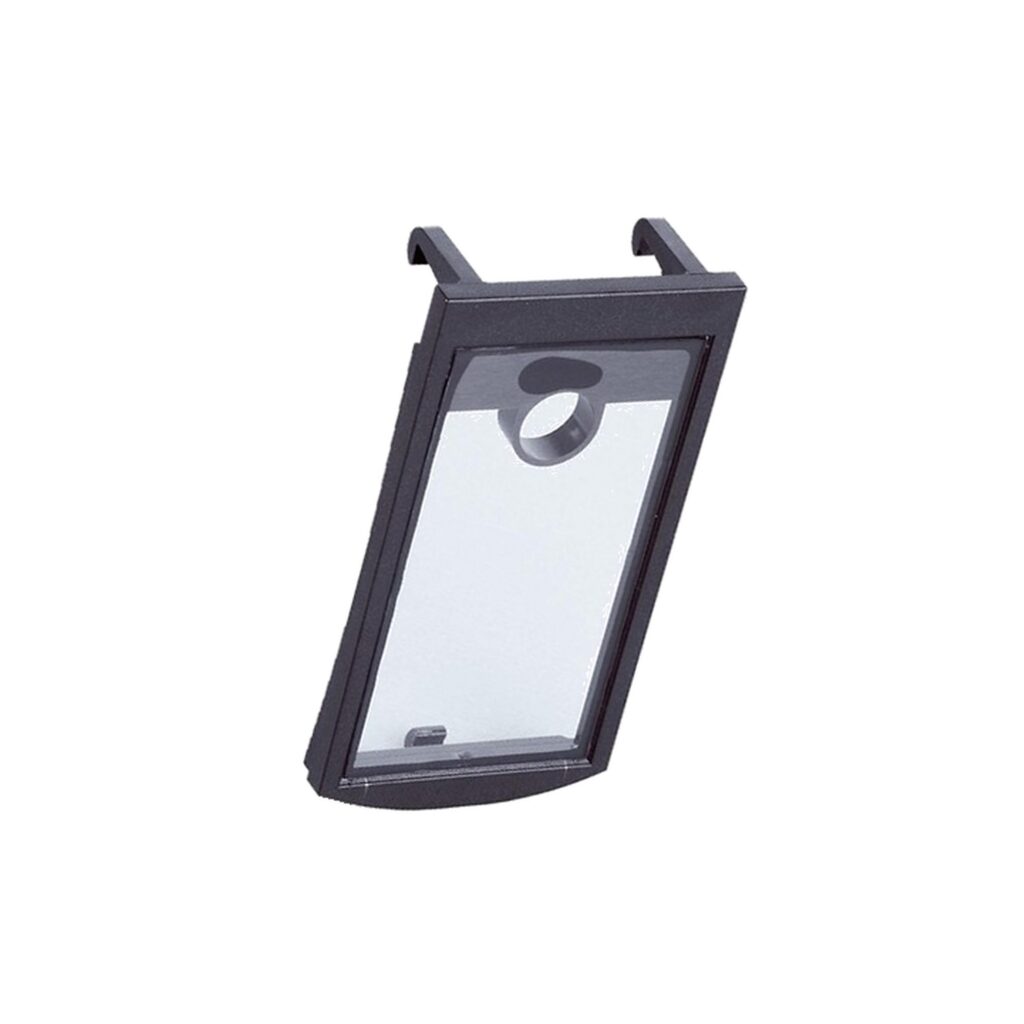
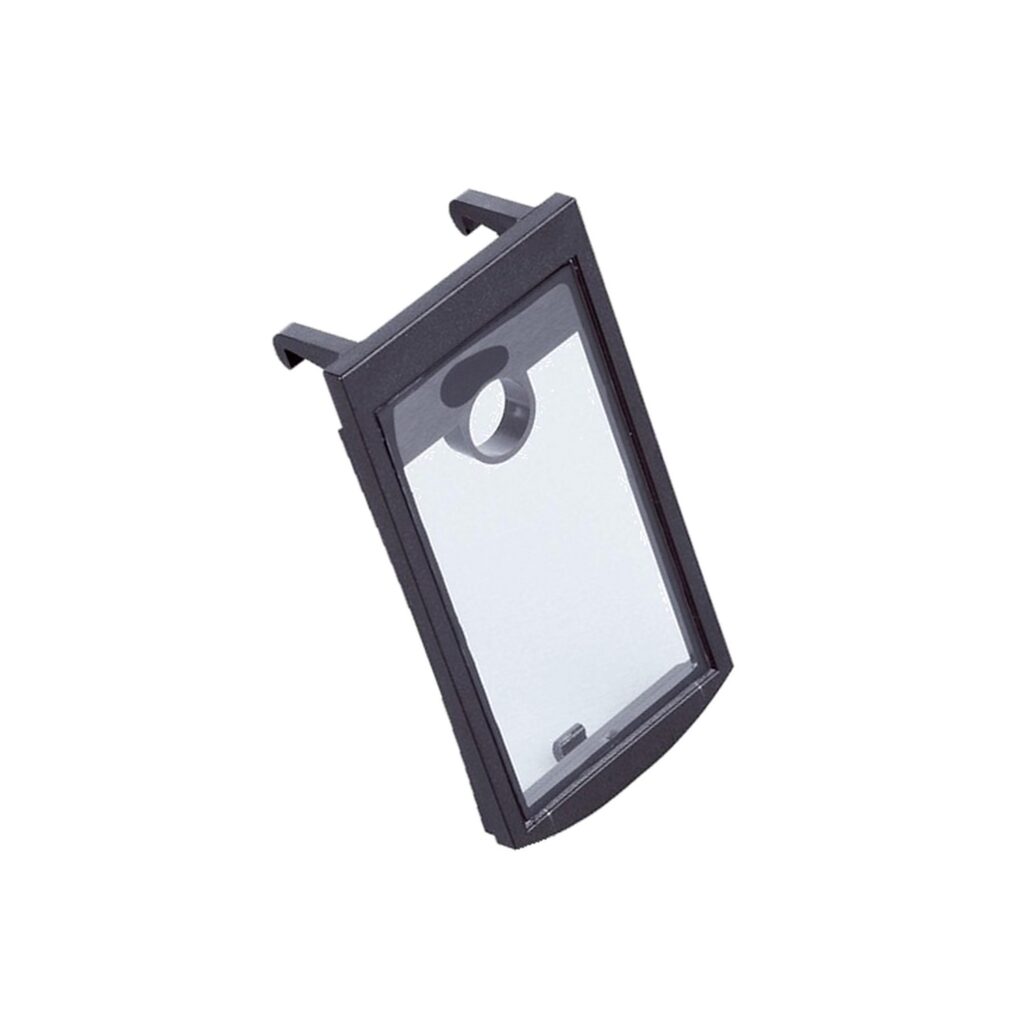
KUP-0610-B | SICK Bellows Coupling 6 mm / 10 mm
Introduction:
The SICK KUP-0610-B bellows coupling links encoder and drive shafts with 6 mm and 10 mm bores, 1.2 N·m torque, and –30 °C to +120 °C operation.
 Customer Reviews
UBEST Automation – Trusted Global Automation Parts Supplier
We offer a wide range of in-stock industrial automation spare parts. All products come with a 12-month warranty and a 30-day refund for quality issues.
Product Attributes:
Notice: For real-time prices and inventory, please click the button below to contact us.
The SICK KUP-0610-B is a Encoders for industrial control and automation applications.
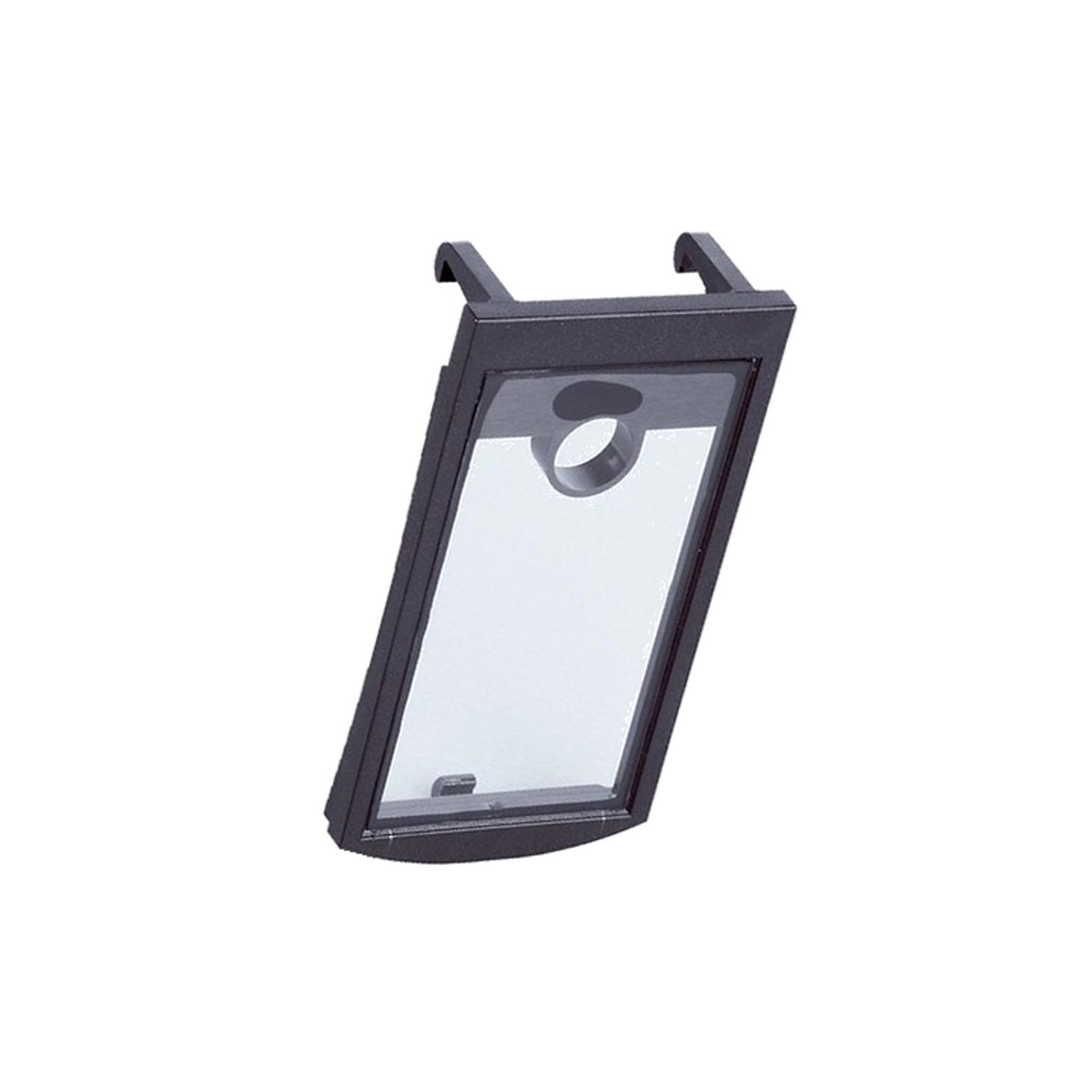
The SICK KUP-0610-B is a bellows shaft coupling for encoders with a 6 mm bore on the encoder side and a 10 mm H8 bore on the drive side. It carries a maximum torque of 1.2 N·m and operates from –30 °C to +120 °C, making it a dependable shaft adaptation part for demanding environments.
What makes this SICK bellows coupling suited to encoder mounting?
This coupling uses a stainless steel bellows with aluminum clamping hubs. The bellows element compensates for misalignment while transmitting rotation, which helps protect the encoder shaft from stress in rugged installations. The clamping hubs fasten with a cheese-head screw M2.5 × 8, DIN 912 A2, so the connection stays secure on the shaft.
Because the coupling is part of the SICK shaft adaptation series, it is selected as an accessory for encoder assemblies rather than as a stand-alone drive component. That role matters in mission-critical oil and gas positions where an encoder must hold its reading through vibration and temperature swings.
Key specifications at a glance
- Bore diameter (encoder side, D1): 6 mm
- Bore diameter (drive side, D2): 10 mm (H8)
- Coupling type: Bellows coupling
- Material: Stainless steel bellows, aluminum clamping hubs
- Nominal torque: 1.2 N·m maximum (120 Ncm per datasheet)
- Max. speed: 10,000 rpm maximum
- Operating temperature: –30 °C to +120 °C (per datasheet)
- Axial offset compensation: max. axial shaft offset ± 0.4 mm
- Radial/angular offset compensation: max. radial offset ± 0.25 mm; max. angular offset ± 4°
- Clamping screw: Cheese-head screw M2.5 × 8, DIN 912 A2
- Overall length: 29 ± 1 mm
Two values are not available in the datasheet: mass moment of inertia and outer diameter. Weight is also not listed. Refer to the official SICK datasheet for those figures before finalizing a design.
How does the coupling handle misalignment and temperature?
Misalignment is a common cause of encoder failure in the field. The KUP-0610-B addresses it with defined compensation limits: ±0.4 mm axially, ±0.25 mm radially, and ±4° angularly. These allowances let the bellows flex instead of forcing the encoder bearing to absorb the load.
Temperature range is equally relevant for oil and gas duty. The –30 °C to +120 °C rating covers cold-start conditions and hot process areas alike, provided the surrounding components share that range. Because the bellows is stainless steel and the hubs are aluminum, the coupling is built for demanding environments where ordinary couplings may corrode or fatigue.
Where is This unit typically used?
This coupling is a shaft adaptation part, so it appears wherever a SICK encoder must connect to a drive shaft with a different diameter. Typical arrangements include motor feedback on rotating equipment, position sensing on valve and damper actuators, and speed monitoring on pumps and compressors. In each case, the 6 mm encoder bore and 10 mm drive bore define the mechanical interface.
For oil and gas engineers, the value lies in reliable torque transmission at up to 10,000 rpm with controlled misalignment compensation. A field-proven coupling reduces the chance of encoder signal loss and the unplanned downtime that follows.
Installation and maintenance guidance
Mount the coupling so both shafts sit within the stated offset limits. Tighten the M2.5 × 8 clamping screws to secure the aluminum hubs, and confirm that the bellows is not compressed or stretched beyond the axial allowance. Keep the bellows free of debris, since contamination can restrict flexing.
During routine inspections, check the bellows for cracks or permanent deformation and verify screw tightness. Because the coupling has no listed wear interval, inspection frequency should follow site practice and the surrounding equipment schedule. Please verify current lifecycle status and availability with PetroPartsOnline before ordering, as the official SICK production status is unverified.
Frequently asked questions
What is the torque capacity of This unit?
The SICK unit has a maximum torque capacity of 1.2 N·m, equivalent to 120 Ncm per the datasheet.
What are the bore sizes on this SICK coupling?
The SICK unit has a 6 mm bore on the encoder side (D1) and a 10 mm H8 bore on the drive side (D2).
What is the operating temperature range of This unit?
The SICK unit operates from –30 °C to +120 °C according to the datasheet.
How much misalignment can This unit compensate?
The SICK unit compensates up to ±0.4 mm axial offset, ±0.25 mm radial offset, and ±4° angular offset.
What material is the bellows made from?
The SICK unit uses a stainless steel bellows with aluminum clamping hubs, fastened by a cheese-head screw M2.5 × 8, DIN 912 A2.
Contact PetroPartsOnline for parts suited to your application's requirements.
{"@context": "https://schema.org", "@graph": [{"@type": "Product", "name": "KUP-0610-B | SICK Bellows Coupling 6 mm / 10 mm", "mpn": "KUP-0610-B", "sku": "KUP-0610-B", "brand": {"@type": "Brand", "name": "SICK"}, "description": "The SICK KUP-0610-B is a Encoders for industrial control and automation applications. The SICK KUP-0610-B is a bellows shaft coupling for encoders with a 6 mm bore on the encoder side and a 10 mm H8 bore on the drive side. It carries a maximum torque of 1.2 N·m and operates from –30 °C to +120 °C, making it a dependable shaft adaptation part for demanding environments. What makes this SICK bellows coupling suited to encoder mounting? This coupling uses a stainless steel bellows with aluminum cla", "image": ["https://www.petropartsonline.com/wp-content/uploads/2026/10/1793127356-api_image__fp3a535535.jpg", "https://www.petropartsonline.com/wp-content/uploads/2026/10/1793127380-api_image__fpcb1f56b3.jpg", "https://www.petropartsonline.com/wp-content/uploads/2026/10/1793127474-api_image__fpaca45fd1.jpg"]}, {"@type": "FAQPage", "mainEntity": [{"@type": "Question", "name": "What makes this SICK bellows coupling suited to encoder mounting?", "acceptedAnswer": {"@type": "Answer", "text": "This coupling uses a stainless steel bellows with aluminum clamping hubs. The bellows element compensates for misalignment while transmitting rotation, which helps protect the encoder shaft from stress in rugged installations. The clamping hubs fasten with a cheese-head screw M2.5 × 8, DIN 912 A2, so the connection stays secure on the shaft. Because the coupling is part of the SICK shaft adaptation series, it is selected as an accessory for encoder assemblies rather than as a stand-alone drive component. That role matters in mission-critical oil and gas positions where an encoder must hold its reading through vibration and temperature swings."}}, {"@type": "Question", "name": "How does the coupling handle misalignment and temperature?", "acceptedAnswer": {"@type": "Answer", "text": "Misalignment is a common cause of encoder failure in the field. The KUP-0610-B addresses it with defined compensation limits: ±0.4 mm axially, ±0.25 mm radially, and ±4° angularly. These allowances let the bellows flex instead of forcing the encoder bearing to absorb the load. Temperature range is equally relevant for oil and gas duty. The –30 °C to +120 °C rating covers cold-start conditions and hot process areas alike, provided the surrounding components share that range. Because the bellows is stainless steel and the hubs are aluminum, the coupling is built for demanding environments where ordinary couplings may corrode or fatigue."}}, {"@type": "Question", "name": "Where is This unit typically used?", "acceptedAnswer": {"@type": "Answer", "text": "This coupling is a shaft adaptation part, so it appears wherever a SICK encoder must connect to a drive shaft with a different diameter. Typical arrangements include motor feedback on rotating equipment, position sensing on valve and damper actuators, and speed monitoring on pumps and compressors. In each case, the 6 mm encoder bore and 10 mm drive bore define the mechanical interface. For oil and gas engineers, the value lies in reliable torque transmission at up to 10,000 rpm with controlled misalignment compensation. A field-proven coupling reduces the chance of encoder signal loss and the unplanned downtime that follows."}}, {"@type": "Question", "name": "What is the torque capacity of This unit?", "acceptedAnswer": {"@type": "Answer", "text": "The SICK unit has a maximum torque capacity of 1.2 N·m, equivalent to 120 Ncm per the datasheet."}}, {"@type": "Question", "name": "What are the bore sizes on this SICK coupling?", "acceptedAnswer": {"@type": "Answer", "text": "The SICK unit has a 6 mm bore on the encoder side (D1) and a 10 mm H8 bore on the drive side (D2)."}}, {"@type": "Question", "name": "What is the operating temperature range of This unit?", "acceptedAnswer": {"@type": "Answer", "text": "The SICK unit operates from –30 °C to +120 °C according to the datasheet."}}, {"@type": "Question", "name": "How much misalignment can This unit compensate?", "acceptedAnswer": {"@type": "Answer", "text": "The SICK unit compensates up to ±0.4 mm axial offset, ±0.25 mm radial offset, and ±4° angular offset."}}, {"@type": "Question", "name": "What material is the bellows made from?", "acceptedAnswer": {"@type": "Answer", "text": "The SICK unit uses a stainless steel bellows with aluminum clamping hubs, fastened by a cheese-head screw M2.5 × 8, DIN 912 A2. Contact PetroPartsOnline for parts suited to your application's requirements."}}]}]}