
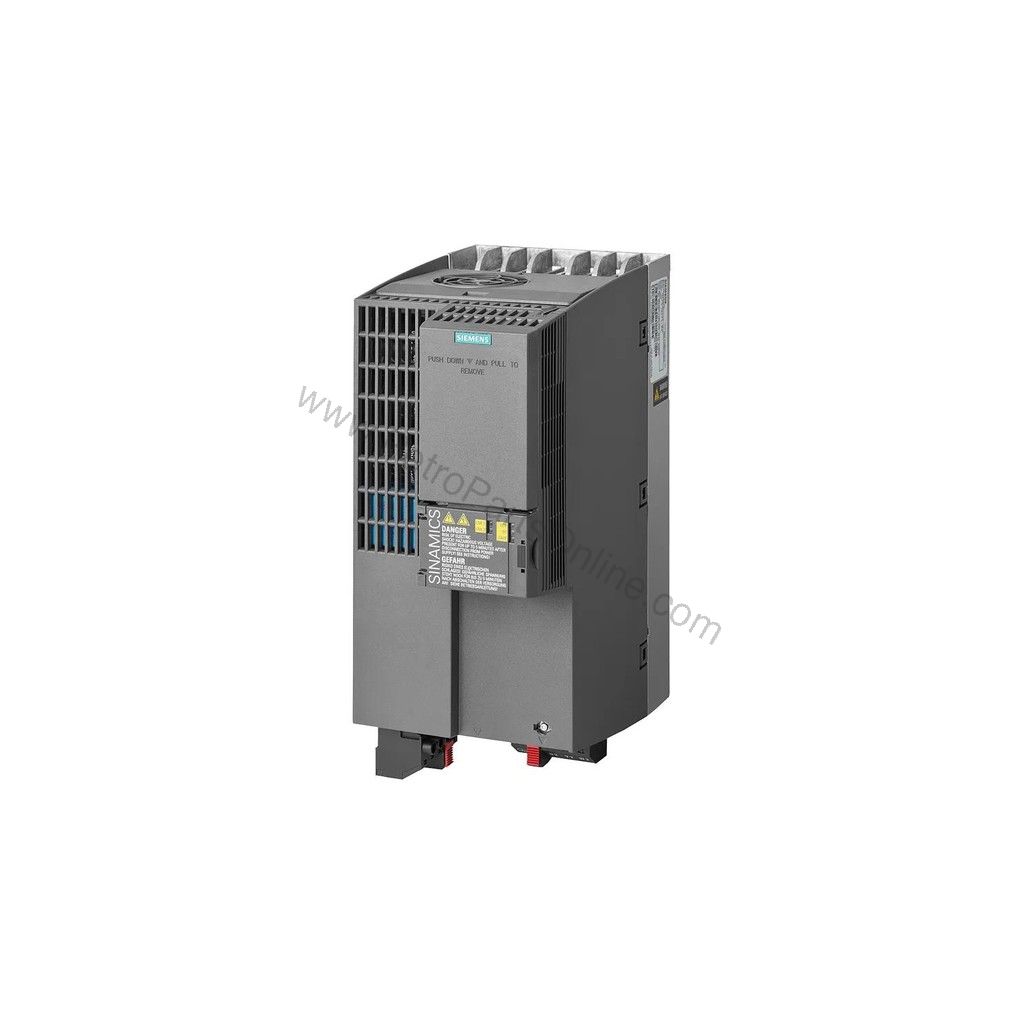
6SL3210-1PE21-8UL0 | Siemens 7.5 kW Power Module PM240-2
Introduction:
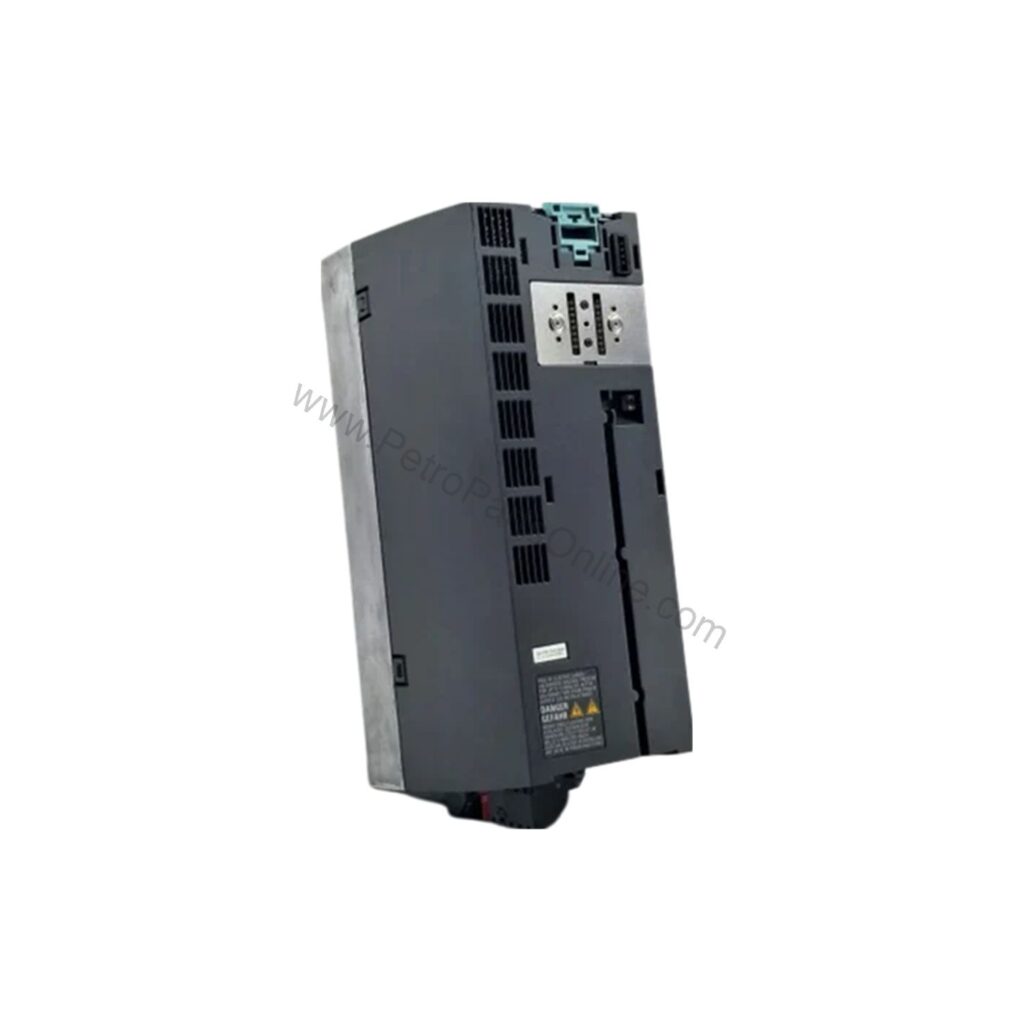
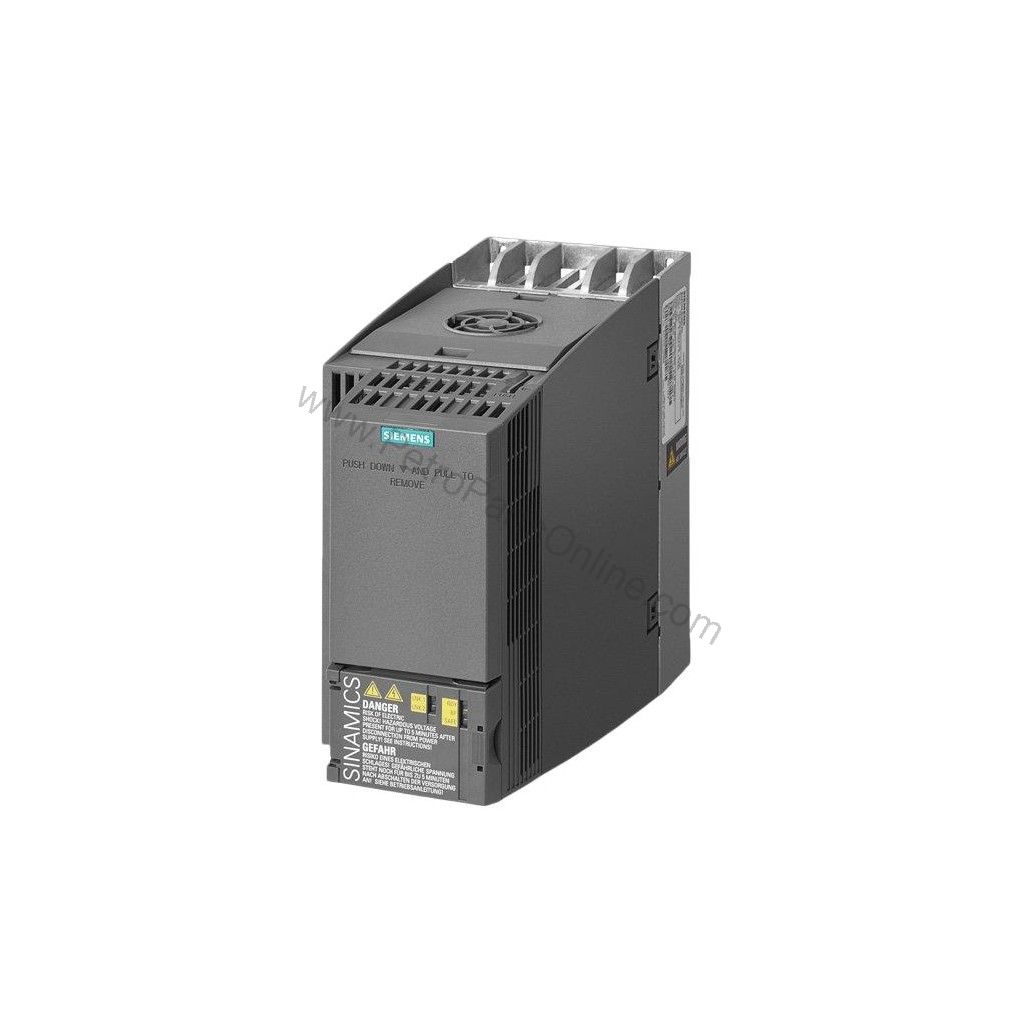
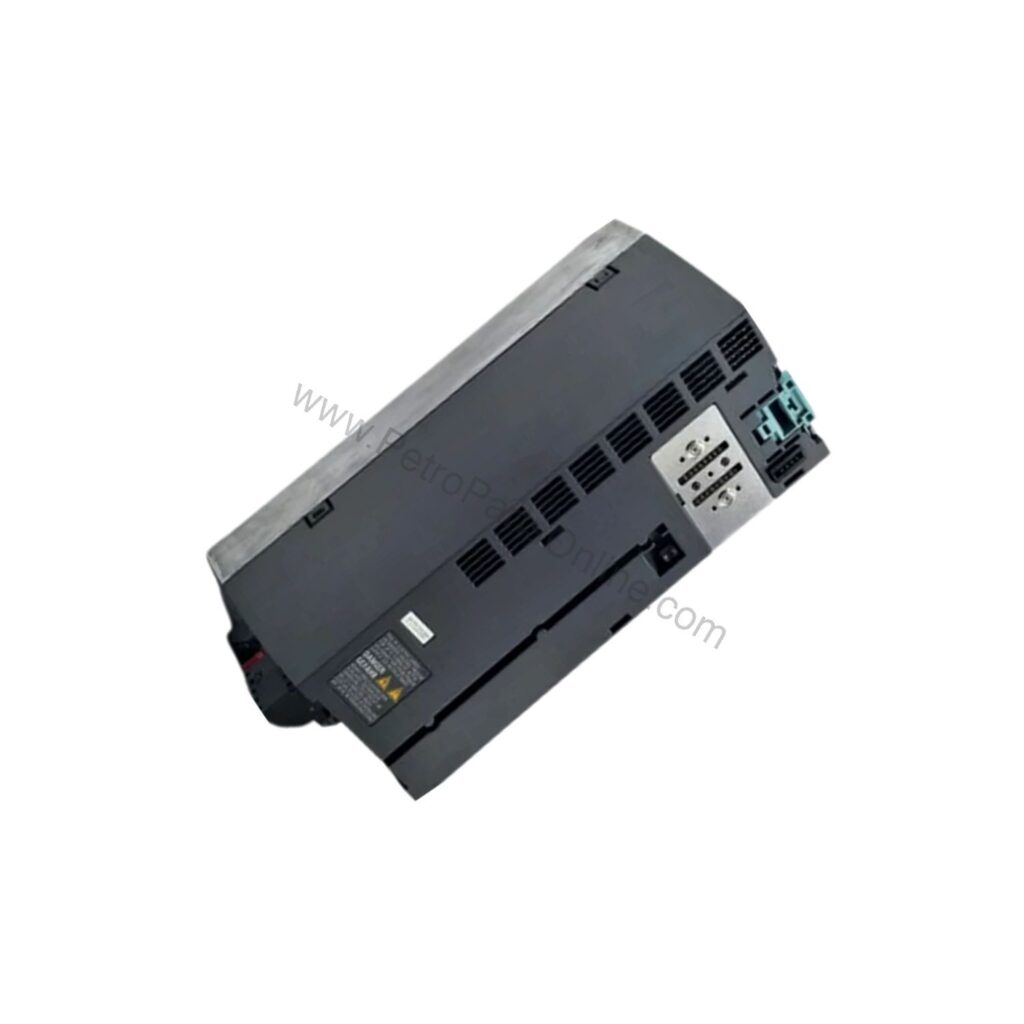
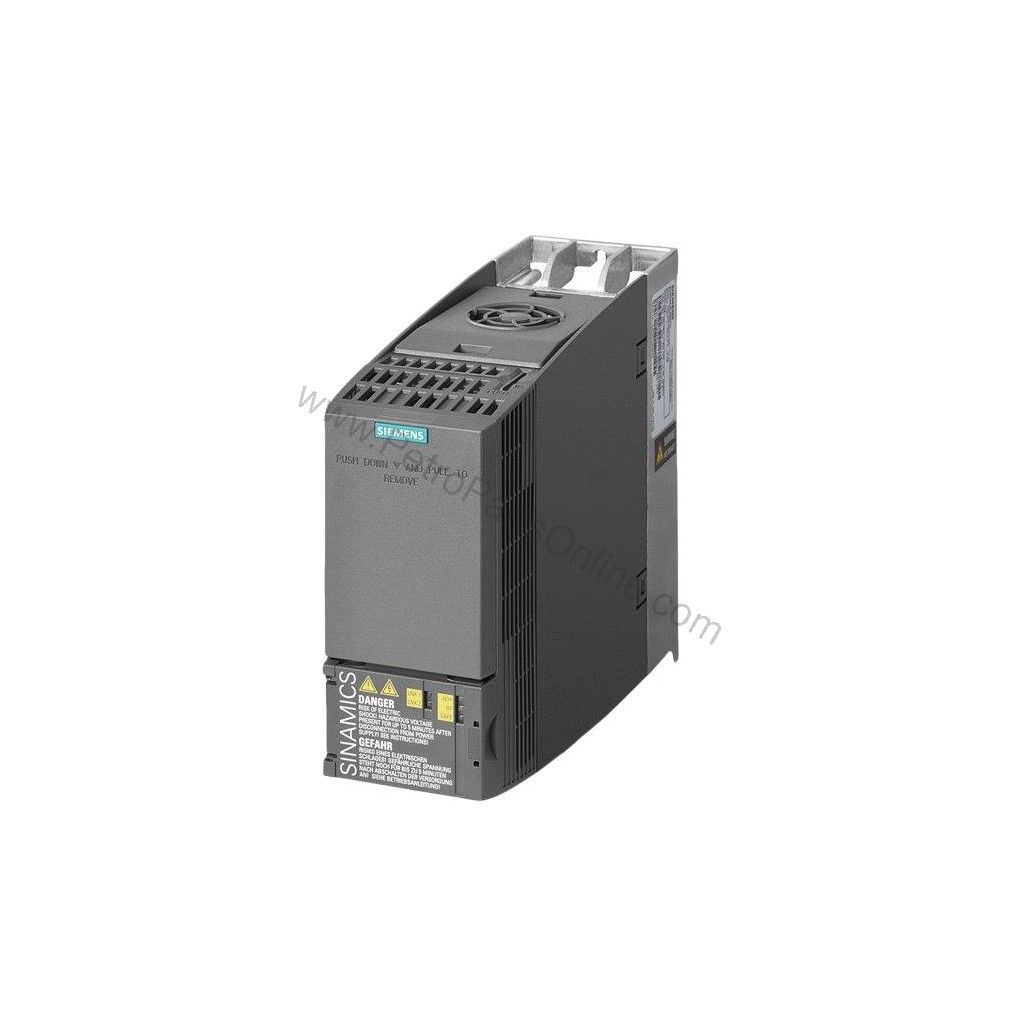
Siemens 6SL3210-1PE21-8UL0 is a 7.5 kW SINAMICS PM240-2 power module rated for 380–480 V three-phase input and 0–550 Hz V/f output.
 Customer Reviews
UBEST Automation – Trusted Global Automation Parts Supplier
We offer a wide range of in-stock industrial automation spare parts. All products come with a 12-month warranty and a 30-day refund for quality issues.
Product Attributes:
Notice: For real-time prices and inventory, please click the button below to contact us.
The Siemens 6SL3210-1PE21-8UL0 is a Power module PM240-2 for industrial control and automation applications.
What the Siemens 6SL3210-1PE21-8UL0 Power Module Delivers
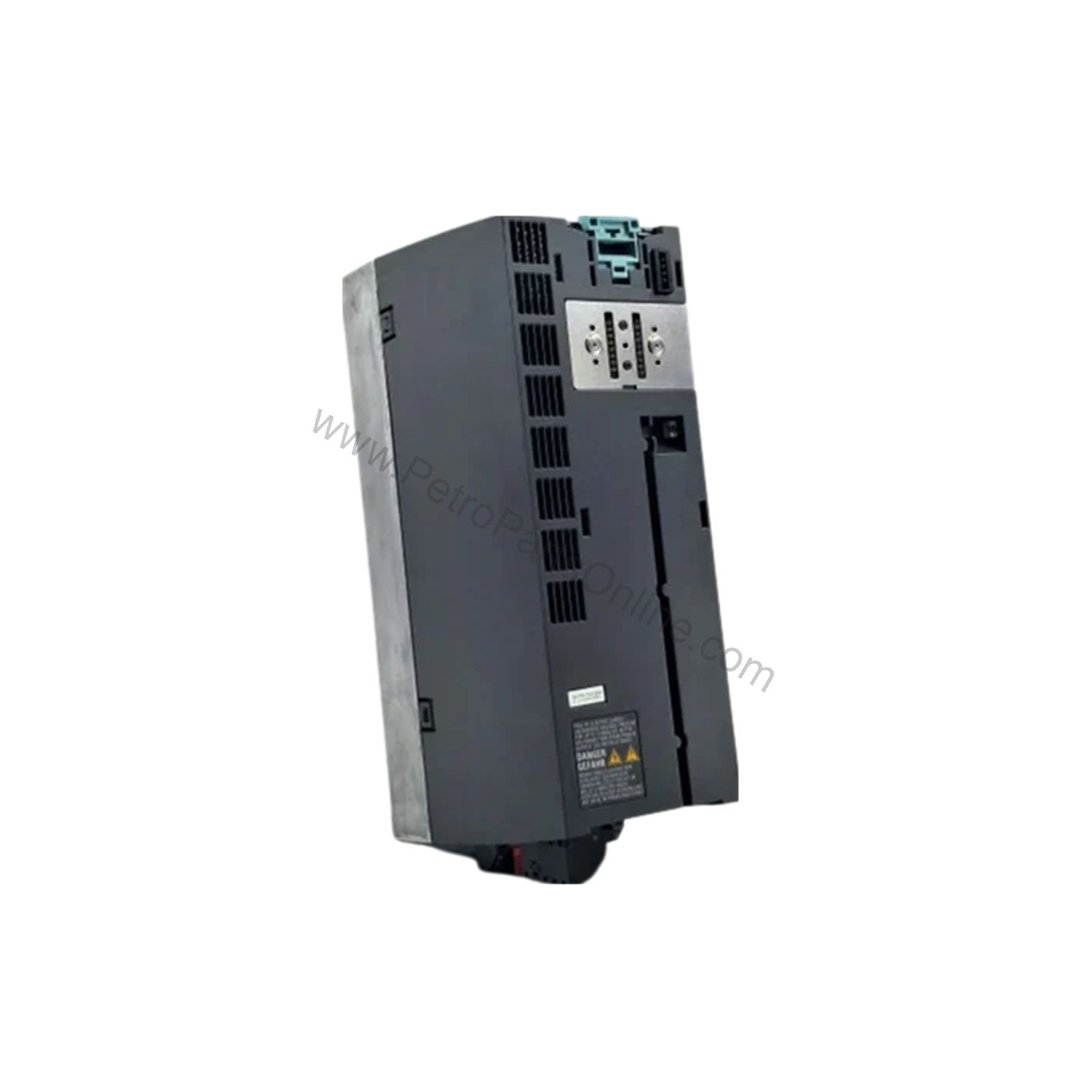
The Siemens 6SL3210-1PE21-8UL0 is a SINAMICS Power Module PM240-2 rated at 7.50 kW (10.00 hp) under low overload and 5.50 kW (7.50 hp) under high overload. It accepts a three-phase line voltage of 380 to 480 V ±10 % at 47 to 63 Hz. Built for demanding environments, this module suits variable-speed drive panels in oil and gas duty where rugged, field-proven power conversion matters.
Key Specifications at a Glance
- Line voltage: 380 ... 480 V ±10 %, three-phase
- Line frequency: 47 ... 63 Hz
- Rated input current (LO): 22.20 A
- Rated input current (HO): 19.80 A
- Rated output power (LO): 7.50 kW / 10.00 hp
- Rated output power (HO): 5.50 kW / 7.50 hp
- Max. output current: 27.00 A
- Pulse frequency: 4 kHz
- Output frequency (V/f): 0 ... 550 Hz
- Efficiency η: 0.97
- Power loss: 0.20 kW
- Degree of protection: IP20 / UL open type
The 0.97 efficiency and 0.20 kW power loss figure show how much energy is dissipated as heat inside the cabinet. That matters for enclosure thermal design in mission-critical oil and gas installations. Meanwhile, the 4 kHz pulse frequency keeps audible noise moderate at 72 dB sound pressure level measured at 1 m.
How Does the PM240-2 Handle Overload in Harsh Conditions?
Overload capability is split into two profiles. Under Low Overload, the module provides 1.1 × rated output current for 57 s and 1.5 × rated output current for 3 s, both within a 300 s cycle. Under High Overload, it delivers 1.5 × output current for 57 s and 2 × output current for 3 s in the same cycle. This dual rating lets engineers size the drive for either continuous pumping loads or intermittent high-torque duties such as mixers and compressors.
Ambient temperature limits follow the same LO/HO split. Operation at LO is rated from -10 to 40 °C (14 to 104 °F), while HO operation extends to 50 °C (122 °F). Transport and storage are rated from -25 to 55 °C (-13 to 131 °F). Relative humidity may reach 95 % RH during operation, but condensation is not permitted. These ratings make the module dependable in hot desert or tropical field environments when the enclosure is properly managed.
Installation and Electrical Connections
Both line-side and motor-end connections use plug-in screw terminals that accept 1.50 to 6.00 mm² (AWG 16 to AWG 10) conductors. Maximum motor cable length is 50 m (164.04 ft) shielded or 100 m (328.08 ft) unshielded. Internal air cooling requires 0.009 m³/s (0.325 ft³/s) of cooling air, so cabinet ventilation must be planned accordingly. The frame size FSB unit measures 100 mm wide, 292 mm high and 165 mm deep, with a net weight of 3.00 kg (6.61 lb). Installation altitude is rated to 1,000 m (3,280.84 ft).
The module carries compliance with UL, cUL, CE, C-Tick (RCM) and SEMI F47, and CE marking under the low-voltage directive 2006/95/EC. No integrated filter class is specified, so external EMC measures may be required depending on site rules.
Where Does This Power Module Fit in Oil and Gas Operations?
Because the PM240-2 provides vector control output from 0 to 200 Hz and V/f control from 0 to 550 Hz, it covers a broad range of pump, fan and compressor duties. In upstream applications, it can drive positive-displacement pumps where torque demand varies with fluid viscosity. Midstream, it suits blower and fan control on gas treatment skids. Downstream, the 7.5 kW LO rating fits small conveyors and agitators. The IP20 open-type enclosure means the module belongs inside a protected cabinet, not in exposed outdoor locations.
For critical operations, the 0.97 efficiency and defined overload curves support predictable thermal behavior. Engineers can therefore plan maintenance intervals around known heat loads rather than worst-case assumptions. Reliability you can depend on starts with understanding these limits.
Integration and Sourcing Notes
The PM240-2 is a power module within the SINAMICS drive family. Wiring into plant control networks may require an external gateway or connection module; confirm cable and gateway selection with the supplier before commissioning. PetroPartsOnline offers application-specific selection guidance for oil and gas drive panels. Contact PetroPartsOnline for parts suited to your application's requirements.
{"@context": "https://schema.org", "@graph": [{"@type": "Product", "name": "6SL3210-1PE21-8UL0 | Siemens 7.5 kW Power Module PM240-2", "mpn": "6SL3210-1PE21-8UL0", "sku": "6SL3210-1PE21-8UL0", "brand": {"@type": "Brand", "name": "Siemens"}, "description": "The Siemens 6SL3210-1PE21-8UL0 is a Power module PM240-2 for industrial control and automation applications. What the Siemens 6SL3210-1PE21-8UL0 Power Module Delivers The Siemens 6SL3210-1PE21-8UL0 is a SINAMICS Power Module PM240-2 rated at 7.50 kW (10.00 hp) under low overload and 5.50 kW (7.50 hp) under high overload. It accepts a three-phase line voltage of 380 to 480 V ±10 % at 47 to 63 Hz. Built for demanding environments, this module suits variable-speed drive panels in oil and gas duty w", "image": ["https://www.petropartsonline.com/wp-content/uploads/2026/11/1793704087-6SL3210-1PE21-8UL0_1__fp9c402eb6.jpg", "https://www.petropartsonline.com/wp-content/uploads/2026/11/1793704093-6SL3210-1PE21-8UL0_2__fpa93f6a1a.jpg", "https://www.petropartsonline.com/wp-content/uploads/2026/11/1793704099-6SL3210-1PE21-8UL0_3__fp4486e084.jpg", "https://www.petropartsonline.com/wp-content/uploads/2026/11/1793704105-6SL3210-1PE21-8UL0_4__fp4109612a.jpg", "https://www.petropartsonline.com/wp-content/uploads/2026/11/1793704111-6SL3210-1PE21-8UL0_5__fp056fce85.jpg"], "category": "Power Supplies"}, {"@type": "FAQPage", "mainEntity": [{"@type": "Question", "name": "How Does the PM240-2 Handle Overload in Harsh Conditions?", "acceptedAnswer": {"@type": "Answer", "text": "Overload capability is split into two profiles. Under Low Overload, the module provides 1.1 × rated output current for 57 s and 1.5 × rated output current for 3 s, both within a 300 s cycle. Under High Overload, it delivers 1.5 × output current for 57 s and 2 × output current for 3 s in the same cycle. This dual rating lets engineers size the drive for either continuous pumping loads or intermittent high-torque duties such as mixers and compressors. Ambient temperature limits follow the same LO/HO split. Operation at LO is rated from -10 to 40 °C (14 to 104 °F), while HO operation extends to 50 °C (122 °F). Transport and storage are rated from -25 to 55 °C (-13 to 131 °F). Relative humidity may reach 95 % RH during operation, but condensation is not permitted. These ratings make the module dependable in hot desert or tropical field environments when the enclosure is properly managed."}}, {"@type": "Question", "name": "Where Does This Power Module Fit in Oil and Gas Operations?", "acceptedAnswer": {"@type": "Answer", "text": "Because the PM240-2 provides vector control output from 0 to 200 Hz and V/f control from 0 to 550 Hz, it covers a broad range of pump, fan and compressor duties. In upstream applications, it can drive positive-displacement pumps where torque demand varies with fluid viscosity. Midstream, it suits blower and fan control on gas treatment skids. Downstream, the 7.5 kW LO rating fits small conveyors and agitators. The IP20 open-type enclosure means the module belongs inside a protected cabinet, not in exposed outdoor locations. For critical operations, the 0.97 efficiency and defined overload curves support predictable thermal behavior. Engineers can therefore plan maintenance intervals around known heat loads rather than worst-case assumptions. Reliability you can depend on starts with understanding these limits."}}]}]}