
3401 Schneider Triconex TMR DO Module 3401 Safety System Spare
Introduction:
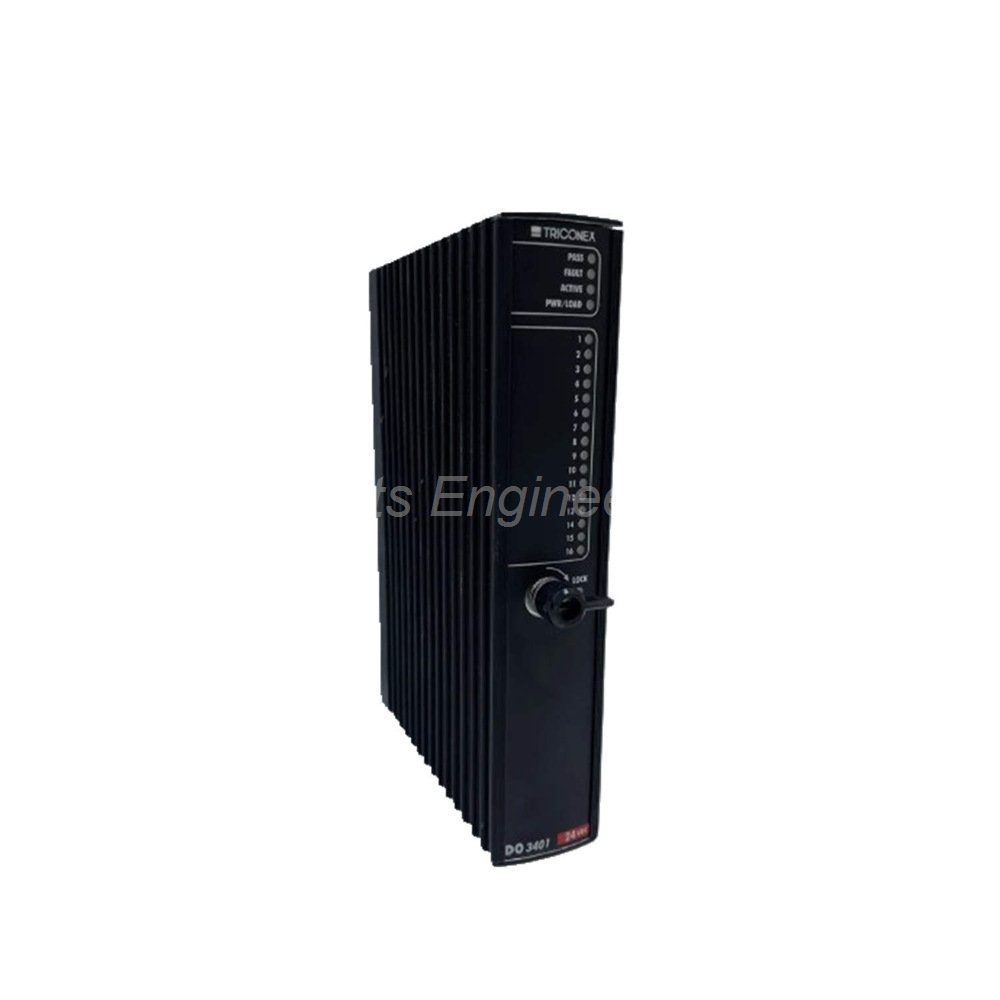
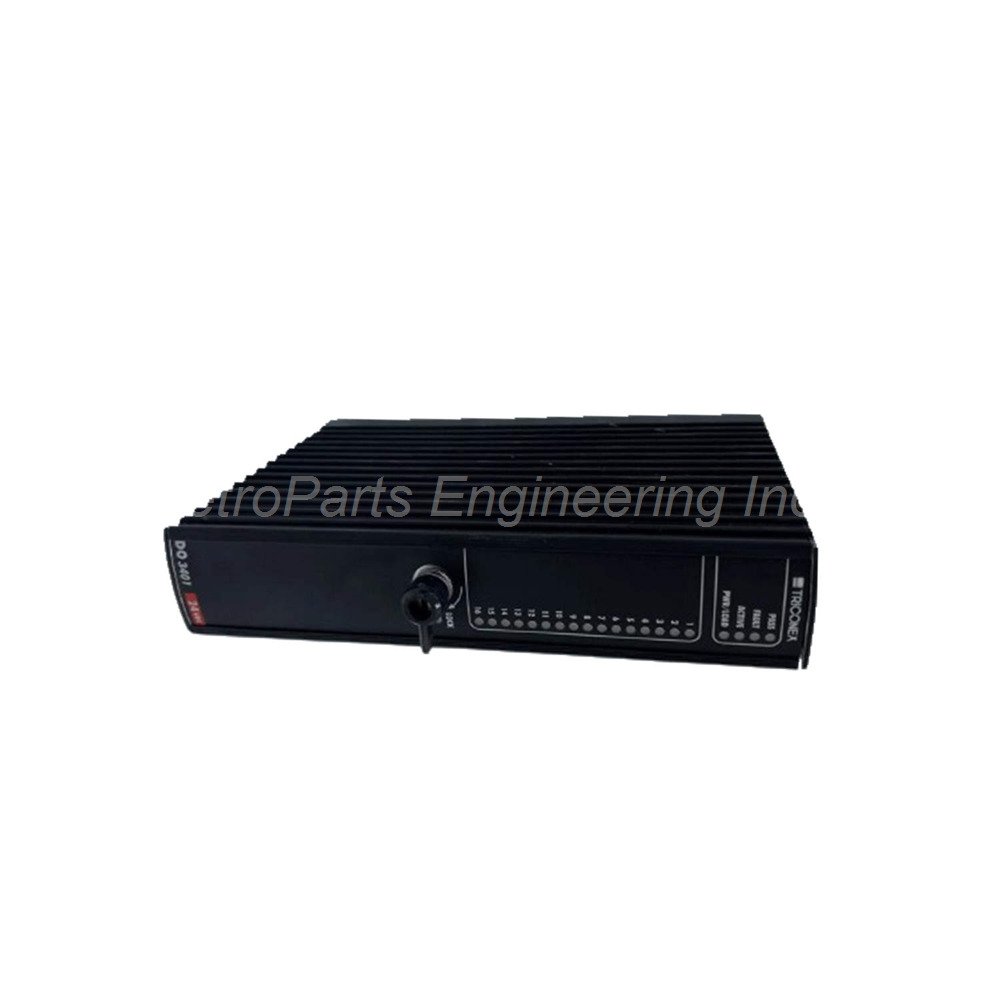
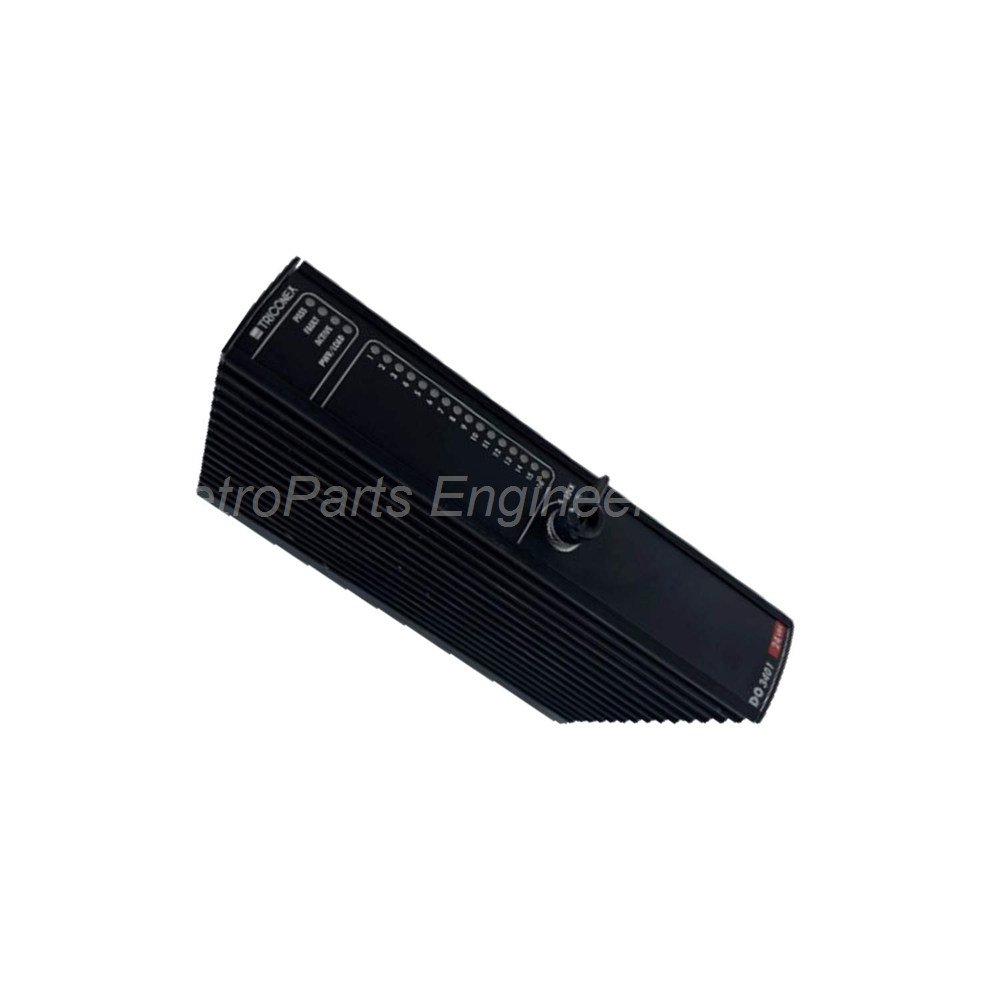
Product Description The 3401 is a high-integrity Triple Modular Redundancy (TMR) Digital Output Module engineered for the Schneider Electric Triconex safety system. It utilizes patented Quad Voter circuitry to ensure maximum availability and safety by voting on individual signals across three independent channels. With a 16-point density and specialized Output Voter Diagnostic (OVD) routines, the […]
 Customer Reviews
UBEST Automation – Trusted Global Automation Parts Supplier
We offer a wide range of in-stock industrial automation spare parts. All products come with a 12-month warranty and a 30-day refund for quality issues.
Product Attributes:
Notice: For real-time prices and inventory, please click the button below to contact us.
Product Description
The 3401 is a high-integrity Triple Modular Redundancy (TMR) Digital Output Module engineered for the Schneider Electric Triconex safety system. It utilizes patented Quad Voter circuitry to ensure maximum availability and safety by voting on individual signals across three independent channels. With a 16-point density and specialized Output Voter Diagnostic (OVD) routines, the 3401 detects stuck-on or stuck-off faults in less than 500ms, providing unparalleled hardware fault tolerance for critical industrial safety loops.
Technical Specifications
- Brand: Triconex (Schneider Electric)
- Model Number: 3401
- Architecture: TMR Digital Output (DO)
- Points: 16 Commoned Points
- Nominal Voltage: 24 VDC (Range: 15 to 30 VDC)
- Current Capacity: 3.0 A Typical (Self-limiting < 4.8 A)
- On-State Voltage Drop: < 1.0 VDC @ 1.5 A
- Logic Isolation: 800 VDC Minimum
- Diagnostic Glitch: < 2 ms (Maximum)
- Loop-back Scan Time: < 1.0 ms for all 16 points
Core Integrity & Diagnostic Capabilities
- Quad Voter Logic: Employs parallel-series paths to ensure 2-out-of-3 voting for every output channel.
- Fault Containment: The 3401 maintains operation during a single channel fault without interrupting the load.
- Rapid OVD Sensing: Scans and alarms all stuck-on/stuck-off switches within 500 milliseconds.
- Mechanical Keying: Built-in safeguards prevent the 3401 from improper installation in baseplates.
- Hot-Spare Support: Supports online redundancy for zero-downtime maintenance cycles.
Baseplate Compatibility Matrix
- Model 2401: Standard baseplate for typical industrial safety applications.
- Model 2401L: Low-current baseplate with 180-ohm series resistors for sensitive loads.
- Hazardous Locations: Compatible with Model 9671-610 ET panels for certified areas.
Logistics & Service Policy
- Warranty Term: 12 Months Full Warranty
- Global Express: FedEx, UPS, DHL Worldwide Shipping
- Quality Status: Brand New & Original in Factory Packing
- Protection: Shipped in anti-static industrial-grade packaging
Professional Engineering FAQ
How does the 3401 handle a single channel failure without tripping the plant?
The Quad Voter circuitry uses a 2nd generation 2-out-of-3 voting mechanism. If one internal channel fails, the other two continue to command the output state, ensuring process continuity and maximum availability.
Is the 3401 suitable for driving high-voltage interposing relays?
Yes, however, for high-voltage isolation, the 3401 must be used with a Relay Output External Termination Panel to safeguard the TMR logic from field-side voltage transients.
What is the engineering benefit of the 500ms OVD routine?
The Output Voter Diagnostic routine detects latent hardware failures in real-time. This ensures that the module is always healthy and capable of performing its safety-instrumented function (SIF) on demand.
When should I choose the 2401L baseplate instead of the standard 2401?
Select the 2401L for low-current loads where integral current limiting is required. The integrated 180-ohm resistor prevents high inrush currents from damaging sensitive field components.
Selection Guidance: Does the diagnostic “glitch” affect the connected load?
The 3401 diagnostic glitch is typically only 500 microseconds. This is statistically faster than the mechanical inertia of most industrial solenoids, meaning your equipment will not “chatter” during health checks.
About Ubest
Ubest Automation is a leading global provider of automation products, with deep partnerships with major automation manufacturers to provide customers with customized business solutions, cost-effective products, and comprehensive services.
Product Center
Contact Us
Phone:+86 180 3000 5825
Address:Room 7A, No. 59 Hubin North Road, Siming District Xiamen City China
Email: sales@ubestplc.com
Contact: Klaus
Scan the QR code