
DL100-21AA2103 | SICK 100 m Laser Distance Sensor

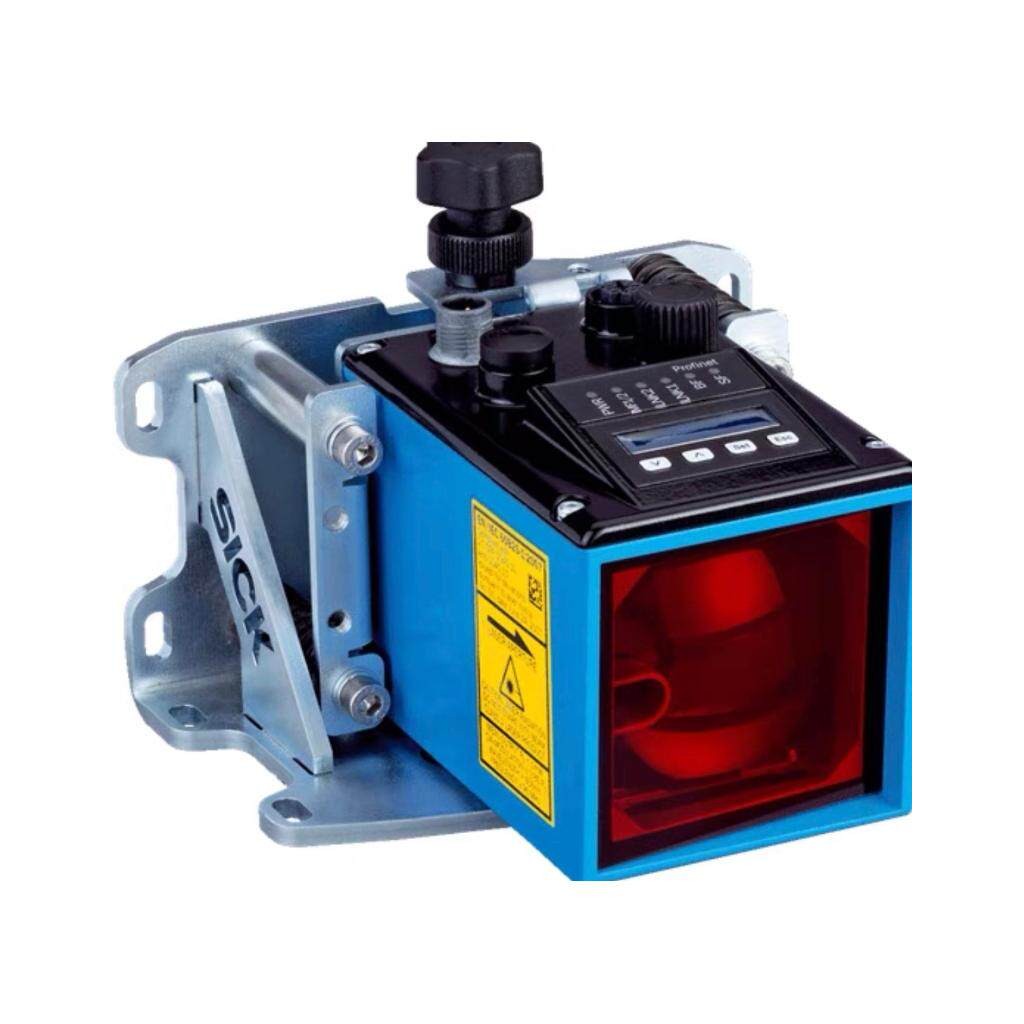

Introduction:
The SICK DL100-21AA2103 measures up to 100 m on reflective tape with ±2 mm accuracy, delivering dependable positioning for oil & gas automation.
 Customer Reviews
UBEST Automation – Trusted Global Automation Parts Supplier
We offer a wide range of in-stock industrial automation spare parts. All products come with a 12-month warranty and a 30-day refund for quality issues.
Product Attributes:
Notice: For real-time prices and inventory, please click the button below to contact us.
Long-Range Laser Positioning for Demanding Oil & Gas Applications
The SICK DL100-21AA2103 is a phase-shift optical time-of-flight laser distance sensor from the Dx100 series. It measures up to 100 m on Diamond Grade reflective tape, making it a rugged, field-proven alternative to traditional proximity probes in long-travel positioning tasks. This sensor is built for demanding environments where reliability you can depend on is essential.
Key Features and Technical Specifications
- Measurement range: 0.15 m to 100 m on Diamond Grade reflective tape, enabling wide-area coverage with a single sensor.
- Accuracy: Typical ±2 mm to ±3 mm, ensuring precise positioning for critical operations.
- Repeatability: 0.5 mm to 1 mm (typical 0.5 mm at 1 σ), supporting consistent, repeatable measurements.
- Light source: Visible red laser diode, 658 nm, Class 2 per IEC 60825-1:2014, average optical power <1 mW.
- Supply voltage: DC 18 V to 30 V with reverse-polarity protection, accommodating common industrial power supplies.
- Power consumption: Typically 8 W to 10 W, balancing performance and energy use.
- Operating temperature: -20 °C to +55 °C, suitable for harsh outdoor and plant environments.
- Storage temperature: -40 °C to +75 °C, ensuring survivability during shutdowns.
- Enclosure rating: IP65 (EN 60529), protecting against dust and water jets.
- Housing: Aluminum die-cast with acrylic glass (PMMA) optical window, offering durability and optical clarity.
- Weight: Approximately 800 g, simplifying mounting and reducing structural load.
- Communication: RS-422 serial asynchronous interface, point-to-point, plus 2x push-pull digital outputs (PNP/NPN, ≤100 mA) and a multifunctional input.
- Electrical connections: Power via male M12 4-pin; RS-422 via female M12 8-pin (SPEEDCON™).
- Measurement cycle: ≥1 ms continuous internal rate, fieldbus cycle dependent.
- Maximum tracking velocity: 15 m/s; maximum acceleration 15 m/s², supporting high-speed automated storage and retrieval systems (ASRS).
Cost-Efficient Alternative to Proximity Probes
In many oil & gas automation projects, traditional proximity probes require frequent calibration and replacement due to wear and environmental sensitivity. The SICK DL100-21AA2103 offers a non-contact, optical measurement principle that eliminates mechanical wear, reducing maintenance costs over the equipment lifecycle. Its wide measuring range of up to 100 m means fewer sensors are needed to cover long travel distances, lowering installation and wiring expenses. Additionally, the sensor’s continuous condition monitoring—tracking signal level attenuation, laser diode aging, and temperature—enables predictive maintenance, helping to avoid unplanned downtime and its associated costs.
Installation and Setup Guidelines
Mount This unit using the integrated optical 3-axis alignment bracket (compatible but not included) to ensure precise alignment with the reflective tape. Connect the power supply to the male M12 4-pin connector, observing the 18 V to 30 V DC range and reverse-polarity protection. The RS-422 interface uses a female M12 8-pin SPEEDCON™ connector for secure, quick connections. The integrated LC display and intuitive menu navigation simplify configuration and diagnostics. For detailed wiring and configuration, refer to the official SICK documentation.
Maintenance and Reliability
Regular inspection of the optical window is recommended to maintain measurement accuracy. The aluminum die-cast housing and IP65 rating protect against dust and water, ensuring dependable operation in harsh conditions. The continuous condition monitoring features provide early warnings of signal degradation or laser aging, allowing maintenance to be scheduled before failures occur. This proactive approach minimizes downtime and extends the sensor’s service life, contributing to lower total cost of ownership.
Frequently Asked Questions
Q: What is the operating temperature range of the SICK unit?
A: The SICK unit operates from -20 °C to +55 °C, making it suitable for many outdoor and industrial environments.
Q: Can This unit be used as a proximity probe alternative?
A: Yes, This unit serves as a proximity probe alternative for long-range positioning up to 100 m, offering non-contact measurement and reduced wear.
Q: What input voltage does This unit require?
A: The sensor requires a DC supply voltage of 18 V to 30 V and includes reverse-polarity protection.
Q: How does This unit communicate with control systems?
A: It uses an RS-422 serial asynchronous interface (point-to-point) and provides two push-pull digital outputs (PNP/NPN, ≤100 mA) plus a multifunctional input.
Q: What is the measurement accuracy of This unit?
A: The typical measurement accuracy is ±2 mm to ±3 mm, with repeatability of 0.5 mm to 1 mm.
Contact PetroPartsOnline for parts suited to your application’s requirements.