
DL100-21AA2109 | SICK 100 m CANopen Laser Sensor
Introduction:
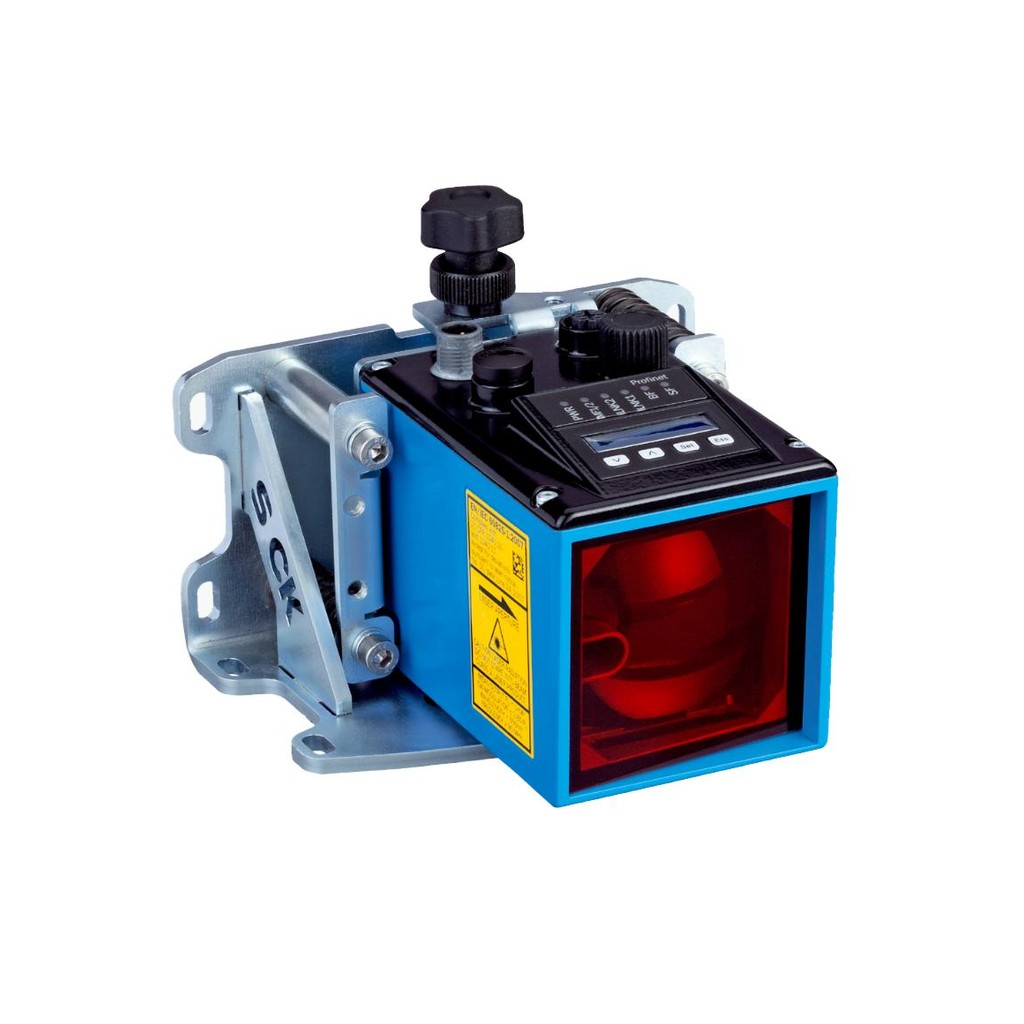
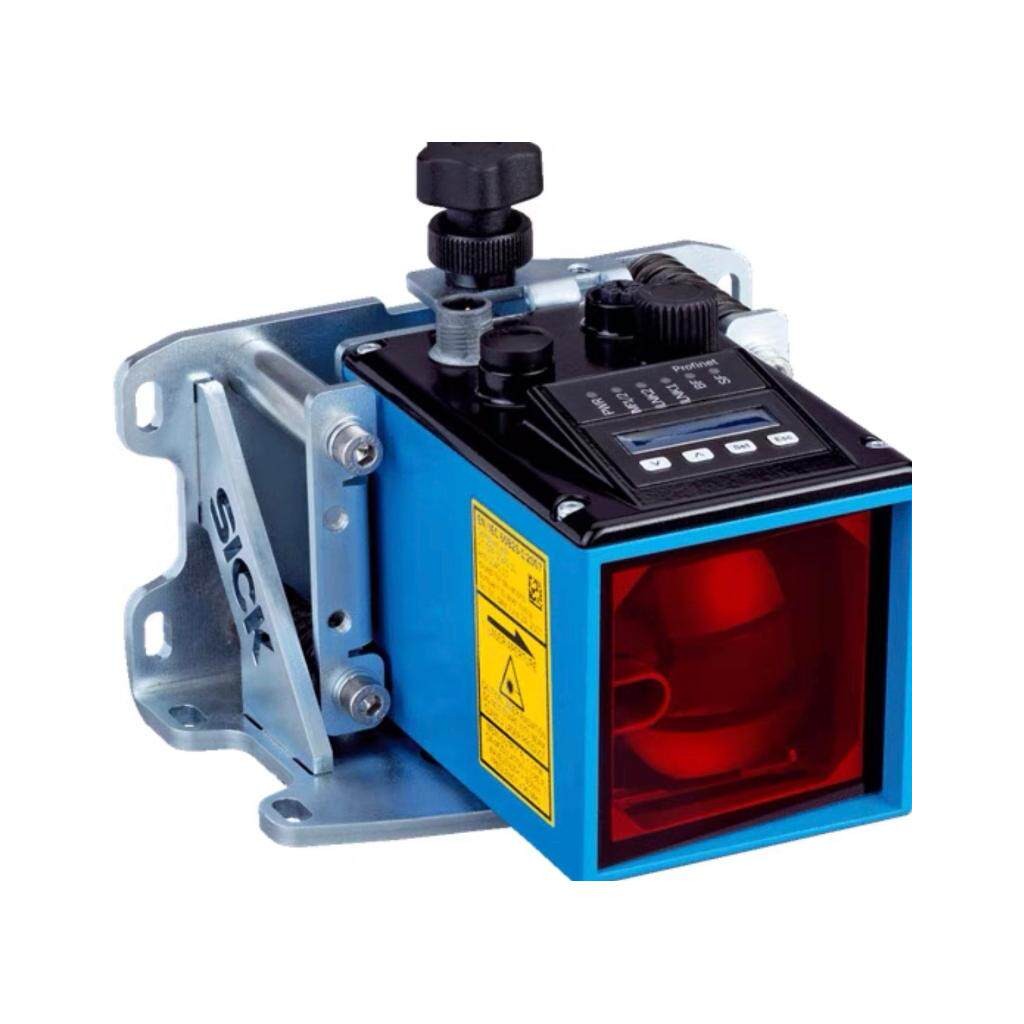
The SICK DL100-21AA2109 is a 100 m laser distance sensor with CANopen, 15 m/s tracking, and ±2 mm accuracy for rugged positioning.
 Customer Reviews
UBEST Automation – Trusted Global Automation Parts Supplier
We offer a wide range of in-stock industrial automation spare parts. All products come with a 12-month warranty and a 30-day refund for quality issues.
Product Attributes:
Notice: For real-time prices and inventory, please click the button below to contact us.
Product Overview: SICK DL100-21AA2109 Laser Distance Sensor
The SICK DL100-21AA2109 is a phase-shift optical time-of-flight laser distance sensor from the Dx100 series. Its standout capability is a measuring range of 0.15 m to 100 m on Diamond Grade reflective tape, which makes it suitable for long-travel positioning tasks in demanding industrial environments. The sensor communicates over CANopen (CiA DS 301, DS 406 profile) and is built for automated storage and retrieval systems where speed and repeatability matter.
Engineers often look for a proximity probe equivalent when replacing legacy measurement setups. This unit offers a non-contact optical alternative that avoids mechanical wear and delivers high dynamic performance. Its aluminum die-cast housing with PMMA optical window and IP65 rating supports reliable operation in dusty or washdown-prone areas.
Key Specifications and Performance Data
- Measurement principle: Phase shift optical time-of-flight laser distance measurement.
- Measuring range: 0.15 m to 100 m on Diamond Grade reflective tape.
- Repeatability: 0.5 mm to 1 mm (typical 0.5 mm at 1 σ).
- Measurement accuracy: Typ. ±2 mm to ±3 mm.
- Maximum tracking velocity: 15 m/s.
- Maximum acceleration: 15 m/s².
- Output time / measurement cycle: ≥1 ms (continuous internal measurement rate 1 ms; fieldbus cycle dependent).
- Light source: Visible red laser diode, 658 nm, Class 2 per IEC 60825-1:2014, average optical power <1 mW.
- Supply voltage: DC 18 V to 30 V, reverse-polarity protected.
- Power consumption: Typ. 8 W to 10 W.
- Operating ambient temperature: -20 °C to +55 °C.
- Storage ambient temperature: -40 °C to +75 °C.
- Enclosure protection rating: IP65 (EN 60529).
- Housing material: Aluminum die-cast with acrylic glass (PMMA) optical window.
- Dimensions (W x H x D): 69.4 mm x 82.5 mm x 100.2 mm.
- Weight: Approx. 800 g.
- Electrical connection: Power: male M12 4-pin; CANopen In/Out: 2x M12, 5-pin (A-coded, SPEEDCON™).
- Communication protocol: CANopen (CiA DS 301, DS 406 profile).
- Auxiliary digital outputs: 2x push-pull (PNP/NPN, configurable B/Q, ≤100 mA).
- Multifunctional input: MF input available.
- Condition monitoring: Signal level attenuation, laser diode aging, and temperature tracking.
The combination of 15 m/s tracking velocity and 15 m/s² acceleration supports high-speed positioning in ASRS cranes and shuttles. Meanwhile, the 1 ms internal measurement rate ensures the sensor can keep up with fast fieldbus cycles. The visible red laser simplifies alignment during commissioning, and the integrated LC display with menu navigation speeds up parameter setup.
Applications and Use Cases
In automated storage and retrieval systems, This unit provides precise distance feedback for crane travel and hoist positioning. Its 100 m range on reflective tape covers long aisles without intermediate reference points. For port and yard equipment, the sensor’s IP65 housing and -20 °C to +55 °C operating range handle outdoor conditions when protected from direct wash. Additionally, the CANopen interface integrates with common PLC and motion controllers, enabling seamless data exchange. The high tracking velocity also suits conveyor synchronization and collision avoidance in logistics hubs.
When evaluating a bently nevada probe replacement, engineers should consider that This unit is an optical sensor, not a eddy-current proximity probe. It measures distance to a reflective target rather than shaft vibration. Therefore, it fits applications where non-contact linear position is required, such as gantry positioning or material handling. For vibration monitoring on rotating machinery, traditional proximity probes remain appropriate. This unit excels in clean-to-dusty environments where a reflective tape target can be installed.
Installation and Commissioning Guidance
Mount the sensor using the optical 3-axis alignment bracket (compatible) to simplify laser alignment. Connect the power cable to the male M12 4-pin connector and the CANopen cables to the two 5-pin M12 connectors. Ensure the supply voltage stays within DC 18 V to 30 V; the reverse-polarity protection safeguards against wiring errors. After power-up, use the integrated LC display to set parameters such as measurement mode and output configuration. For CANopen integration, verify the node ID and baud rate match the network. Because the sensor uses a Class 2 laser, avoid direct eye exposure and follow local safety practices.
Commissioning tip: align the laser spot to the center of the Diamond Grade tape at both ends of travel. The visible red beam and signal level readout on the display help optimize alignment. If the signal attenuates, check for contamination on the PMMA window and clean with a soft, lint-free cloth.
Reliability and Maintenance
This unit is built for demanding environments, with an aluminum die-cast housing that resists mechanical shock and vibration. Continuous condition monitoring tracks signal level attenuation, laser diode aging, and internal temperature. This data allows maintenance teams to schedule service before a failure occurs. Periodically inspect the optical window for dust or debris; in dirty areas, establish a cleaning routine. The IP65 rating protects against dust ingress and water jets, but high-pressure cleaning directly on the window should be avoided. Storage temperature range of -40 °C to +75 °C accommodates shipping and idle periods. Overall, the sensor’s solid-state design and condition monitoring contribute to reliability you can depend on in mission-critical operations.
Frequently Asked Questions
Q: What is the supply voltage requirement for the SICK unit?
A: The SICK unit operates on DC 18 V to 30 V and includes reverse-polarity protection. Power consumption is typically 8 W to 10 W.
Q: Can This unit serve as a proximity probe alternative?
A: This unit is an optical distance sensor, so it is not a direct replacement for eddy-current proximity probes used in vibration monitoring. However, it can serve as a proximity probe alternative in linear position applications where a reflective tape target is feasible.
Q: What is the maximum measuring range on reflective tape?
A: The sensor measures up to 100 m on Diamond Grade reflective tape, with a minimum range of 0.15 m. Accuracy is typically ±2 mm to ±3 mm.
Q: How does the sensor communicate with a control system?
A: Communication is via CANopen (CiA DS 301, DS 406 profile) using two M12 5-pin A-coded connectors. Auxiliary digital outputs and a multifunctional input are also available.
Q: What is the operating temperature range?
A: The SICK unit operates from -20 °C to +55 °C and can be stored from -40 °C to +75 °C.
Ordering and Support
Contact PetroPartsOnline for parts suited to your application's requirements. Our team can help verify compatibility and current availability. Please have your application details ready, including target material and network configuration.
{"@context": "https://schema.org", "@graph": [{"@type": "Product", "name": "DL100-21AA2109 | SICK 100 m CANopen Laser Sensor", "mpn": "DL100-21AA2109", "sku": "DL100-21AA2109", "brand": {"@type": "Brand", "name": "SICK"}, "description": "Product Overview: SICK DL100-21AA2109 Laser Distance Sensor The SICK DL100-21AA2109 is a phase-shift optical time-of-flight laser distance sensor from the Dx100 series. Its standout capability is a measuring range of 0.15 m to 100 m on Diamond Grade reflective tape, which makes it suitable for long-travel positioning tasks in demanding industrial environments. The sensor communicates over CANopen (CiA DS 301, DS 406 profile) and is built for automated storage and retrieval systems where speed an", "image": ["https://www.petropartsonline.com/wp-content/uploads/2026/10/1793078676-api_image__fpff20c062.jpg", "https://www.petropartsonline.com/wp-content/uploads/2026/10/1793078694-api_image__fp6287c766.jpg", "https://www.petropartsonline.com/wp-content/uploads/2026/10/1793078701-api_image__fpc3d4534e.jpg"]}, {"@type": "FAQPage", "mainEntity": [{"@type": "Question", "name": "Q: What is the supply voltage requirement for the SICK unit?", "acceptedAnswer": {"@type": "Answer", "text": "A: The SICK unit operates on DC 18 V to 30 V and includes reverse-polarity protection. Power consumption is typically 8 W to 10 W."}}, {"@type": "Question", "name": "Q: Can This unit serve as a proximity probe alternative?", "acceptedAnswer": {"@type": "Answer", "text": "A: This unit is an optical distance sensor, so it is not a direct replacement for eddy-current proximity probes used in vibration monitoring. However, it can serve as a proximity probe alternative in linear position applications where a reflective tape target is feasible."}}, {"@type": "Question", "name": "Q: What is the maximum measuring range on reflective tape?", "acceptedAnswer": {"@type": "Answer", "text": "A: The sensor measures up to 100 m on Diamond Grade reflective tape, with a minimum range of 0.15 m. Accuracy is typically ±2 mm to ±3 mm."}}, {"@type": "Question", "name": "Q: How does the sensor communicate with a control system?", "acceptedAnswer": {"@type": "Answer", "text": "A: Communication is via CANopen (CiA DS 301, DS 406 profile) using two M12 5-pin A-coded connectors. Auxiliary digital outputs and a multifunctional input are also available."}}, {"@type": "Question", "name": "Q: What is the operating temperature range?", "acceptedAnswer": {"@type": "Answer", "text": "A: The SICK unit operates from -20 °C to +55 °C and can be stored from -40 °C to +75 °C."}}]}]}